Room Spray With Essential Oils: 6 Aromatherapy Recipes That Make Your House Smell Like Calm
I tossed every plug-in air freshener we owned in 2019.
It started when I read the ingredient list on the back of a popular brand and counted seven things I couldn’t pronounce. Then I read the disclaimer that said “for use in well-ventilated areas only.” I had it plugged in at toddler eye level next to the changing table.
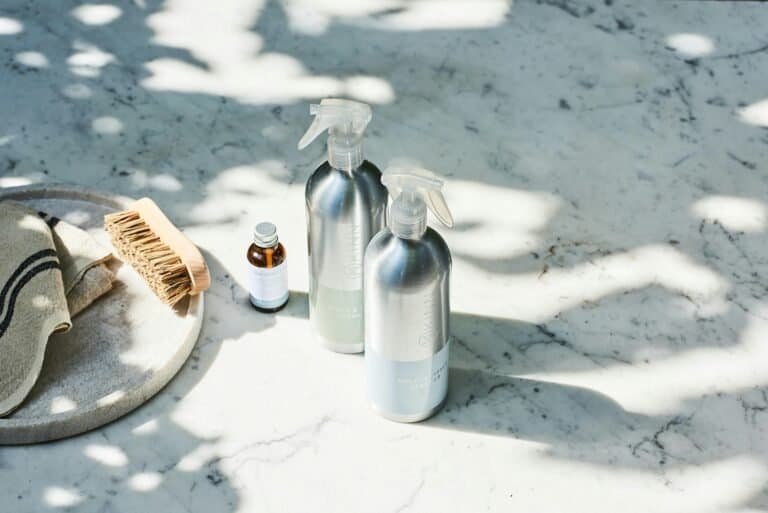
So I yanked them all and replaced them with a single 4-ounce glass spray bottle and a little jar of essential oils.
Seven years later, the house smells better than it ever did with the plug-ins. The bottle costs me about $6 to refill every two months. And there’s no burning chemical scent floating around where the kids play.
A room spray with essential oils is the easiest non-toxic swap in this whole bathroom-and-cleaning category. It takes 60 seconds to mix, lasts about 6 weeks per bottle, and you can blend it for whatever mood you want the room to have.
Below is the master recipe, plus six aromatherapy blends I’ve actually used long enough to recommend.
A room spray with essential oils is a homemade air freshener made from water, a small amount of alcohol or witch hazel as an emulsifier, and 20 to 40 drops of essential oil. It freshens the air without the synthetic fragrance, phthalates, or VOCs in conventional sprays and plug-ins.
Why Switch to Room Spray With Essential Oils
Conventional air fresheners are one of the worst offenders in the indoor air quality category.
A 2008 study from the University of Washington analyzed top-selling air fresheners and found nearly 100 volatile organic compounds (VOCs), including some classified as toxic or hazardous, even in products marketed as “all natural” or “organic.” Most of those compounds aren’t on the label, because the FDA doesn’t require fragrance ingredients to be disclosed.
Synthetic fragrances are also one of the top three triggers for asthma, migraines, and chemical sensitivity. If you’ve ever walked past the candle aisle at HomeGoods and felt a headache coming on, that’s why.
A room spray with essential oils skips all of that. The “fragrance” is just plant compounds extracted from real plants. Your nose can metabolize them. Your lungs aren’t fighting them.
For more on what makes the air in your house breathable, our improve indoor air quality guide covers the whole picture.
What You Need (The Master Recipe)
As an Amazon Associate, I earn from qualifying purchases. This means if you click an Amazon link and buy something, I may earn a small commission at no extra cost to you.
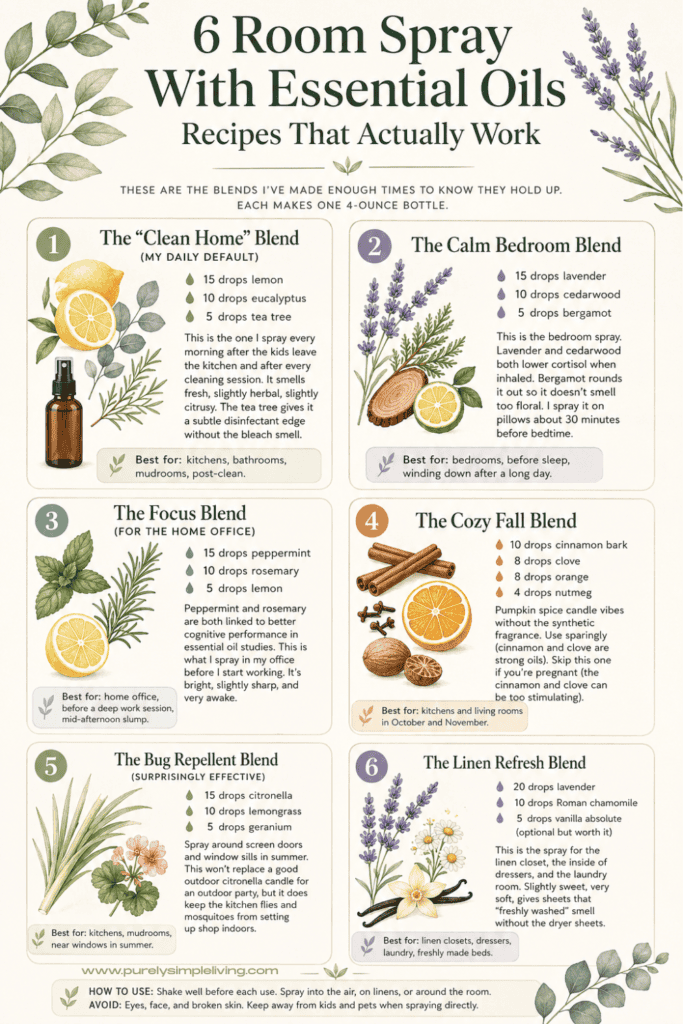
This is the base. Every recipe below is a variation of this.
Ingredients
- 1/2 cup distilled water (tap water works, distilled lasts longer without going funky)
- 2 tablespoons witch hazel OR vodka OR rubbing alcohol (this is the emulsifier so the oils mix with the water)
- 20 to 40 drops essential oil (specific blends below)
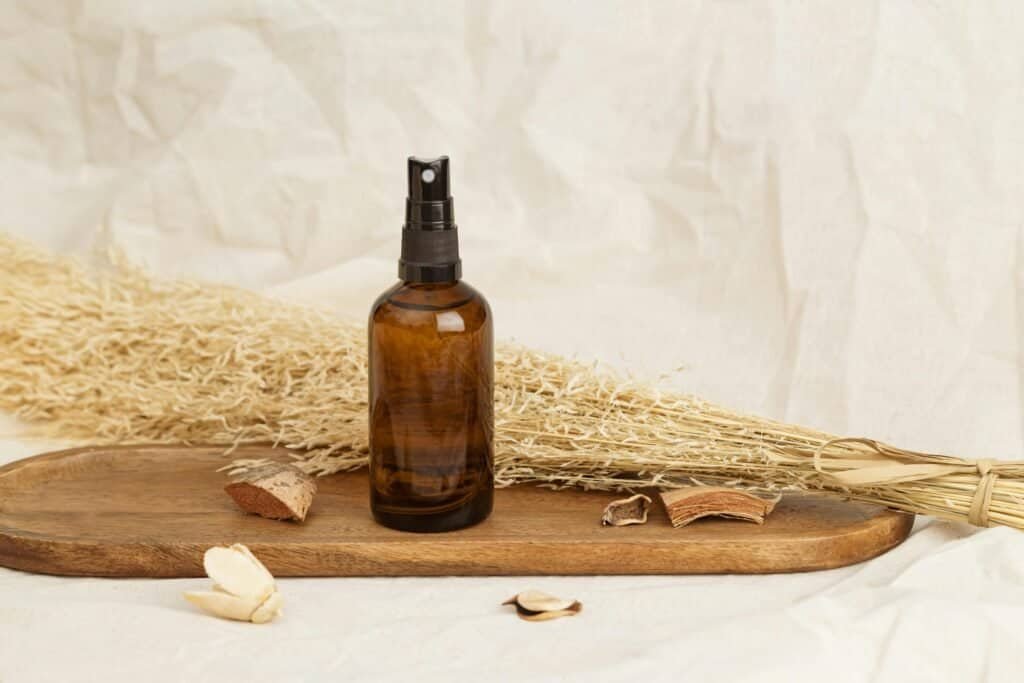
- A 4-ounce glass spray bottle (plastic degrades with essential oils)
How to Make It
- Add the witch hazel (or vodka) to the spray bottle.
- Add the essential oils. Swirl gently to combine.
- Top off with the distilled water.
- Shake gently before each use.
That’s the entire process. You do not need a lab. You do not need a recipe book. You can mix this on a kitchen counter in less than a minute.
How Long It Lasts
A 4-ounce bottle lasts about 6 weeks of daily use, sprayed 3 to 5 times per session. Refill in 30 seconds.
The recipe itself stays good for about 3 months in a cool spot. After that the essential oils start to oxidize and lose their scent.
6 Room Spray With Essential Oils Recipes That Actually Work
These are the blends I’ve made enough times to know they hold up. Each makes one 4-ounce bottle.
1. The “Clean Home” Blend (My Daily Default)
- 15 drops lemon
- 10 drops eucalyptus
- 5 drops tea tree
This is the one I spray every morning after the kids leave the kitchen and after every cleaning session. It smells fresh, slightly herbal, slightly citrusy. The tea tree gives it a subtle disinfectant edge without the bleach smell.
Best for: kitchens, bathrooms, mudrooms, post-clean.
2. The Calm Bedroom Blend
- 15 drops lavender
- 10 drops cedarwood
- 5 drops bergamot
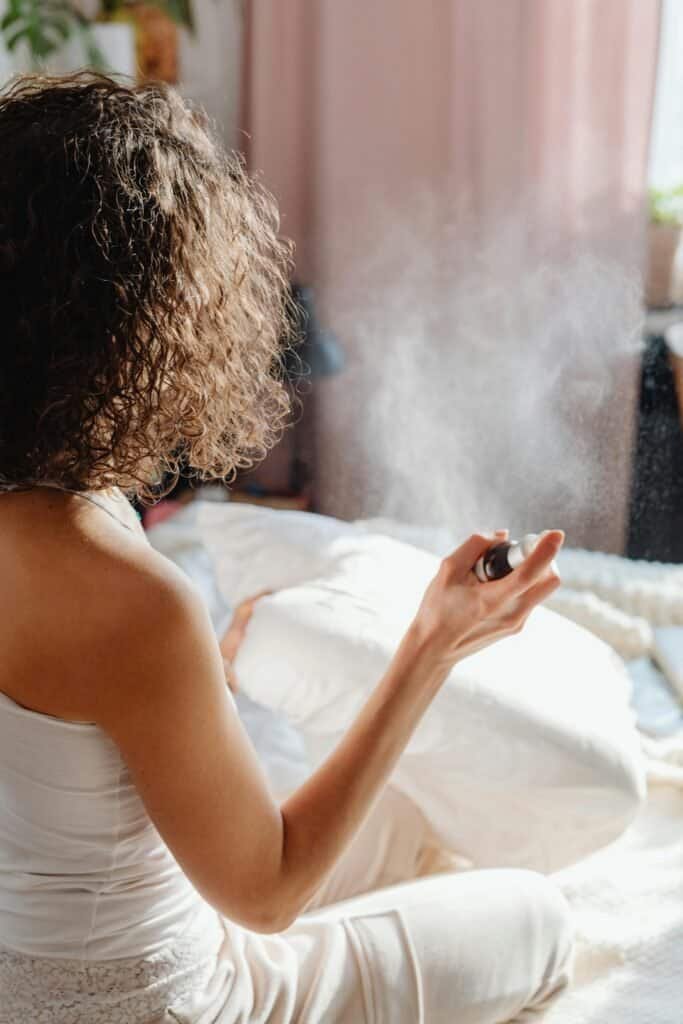
This is the bedroom spray. Lavender and cedarwood both lower cortisol when inhaled. Bergamot rounds it out so it doesn’t smell too floral. I spray it on pillows about 30 minutes before bedtime.
Best for: bedrooms, before sleep, winding down after a long day.
3. The Focus Blend (For the Home Office)
- 15 drops peppermint
- 10 drops rosemary
- 5 drops lemon
Peppermint and rosemary are both linked to better cognitive performance in essential oil studies. This is what I spray in my office before I start working. It’s bright, slightly sharp, and very awake.
Best for: home office, before a deep work session, mid-afternoon slump.
4. The Cozy Fall Blend
- 10 drops cinnamon bark
- 8 drops clove
- 8 drops orange
- 4 drops nutmeg
Pumpkin spice candle vibes without the synthetic fragrance. Use sparingly (cinnamon and clove are strong oils). Skip this one if you’re pregnant (the cinnamon and clove can be too stimulating).
Best for: kitchens and living rooms in October and November.
5. The Bug Repellent Blend (Surprisingly Effective)
- 15 drops citronella
- 10 drops lemongrass
- 5 drops geranium
Spray around screen doors and window sills in summer. This won’t replace a good outdoor citronella candle for an outdoor party, but it does keep the kitchen flies and mosquitoes from setting up shop indoors.
Best for: kitchens, mudrooms, near windows in summer.
6. The Linen Refresh Blend
- 20 drops lavender
- 10 drops Roman chamomile
- 5 drops vanilla absolute (optional but worth it)
This is the spray for the linen closet, the inside of dressers, and the laundry room. Slightly sweet, very soft, gives sheets that “freshly washed” smell without the dryer sheets.
Best for: linen closets, dressers, laundry, freshly made beds.
How to Use Your Room Spray With Essential Oils
A few small things make a big difference.
Spray in the air, not on surfaces. Essential oils can damage some finishes (especially citrus on wood). A few pumps in the air gives you the same effect without the spotting.
Shake before each use. Essential oils settle. Give the bottle a quick swirl every time.
Less is more. 3 to 5 sprays per session is plenty. If you can still smell it 10 minutes later, you used too much.
Layer scents intentionally. Use the focus blend in the office, the calm blend in the bedroom, and the clean blend in the kitchen. Don’t try to do everything in one room.
Where to Spray
Some spots make a bigger impact than you’d expect.
- Curtains and upholstery — the fabric holds the scent longer than the air
- Trash cans (after taking out the trash) — kills the bin smell
- Bathroom right before guests arrive — better than a cover-up candle
- Pillows 30 minutes before bedtime — the scent is gone by the time your head hits the pillow but the calm effect lingers
- Pet beds (with skin-safe oils only, no tea tree near cats)
- The car — spray a tissue and tuck it under the seat
Where NOT to Spray
A few cautions.
- Around cats (they can’t metabolize a lot of essential oils, especially tea tree, citrus, and eucalyptus)
- Around babies under 6 months (their respiratory systems are still developing)
- On natural stone (citrus oils can etch)
- On screens or electronics (they can damage the coating)
For more on natural ways to get rid of household smells without spraying anything, our natural home fragrance ideas post covers simmer pots, dried herb sachets, and a few other options.
Where to Buy Quality Essential Oils
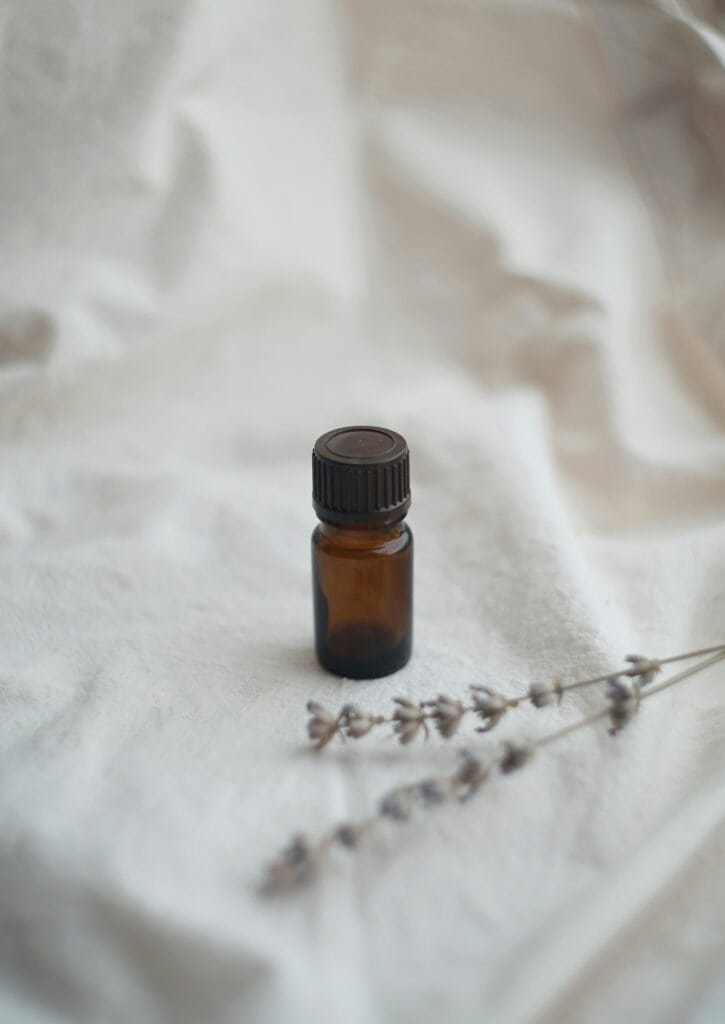
Not all essential oils are equal. The grocery store ones are often cut with synthetic fragrance, which defeats the whole point.
Look for these markers on the label:
- 100% pure essential oil (not “fragrance oil” or “perfume oil”)
- The Latin name of the plant on the label (e.g., Lavandula angustifolia for lavender)
- A dark amber or cobalt glass bottle
- Therapeutic grade or organic certification
Brands I’ve used and trusted: Plant Therapy, Eden’s Garden, Rocky Mountain Oils, Mountain Rose Herbs. Young Living and doTERRA also make great oils, but the multi-level marketing pricing can be high.
A starter set of 6 oils (lavender, lemon, eucalyptus, peppermint, tea tree, and orange) runs about $30 to $40 and will make dozens of bottles of room spray.
Mixing Room Spray with Cleaning Spray
Once you have the essential oils on hand, you can use the same blends in your cleaning sprays.
A few drops of lemon oil in a vinegar-water spray turns the kitchen cleaner into something that doesn’t smell like a salad. Tea tree in the bathroom spray adds a natural disinfectant boost. Peppermint in a floor cleaner is famously good at deterring mice.
For the full breakdown on which oils work best for which cleaning jobs, our essential oil cleaning recipes post has the recipes I run through in my own house every week.
A Note on Candles vs. Room Spray With Essential Oils
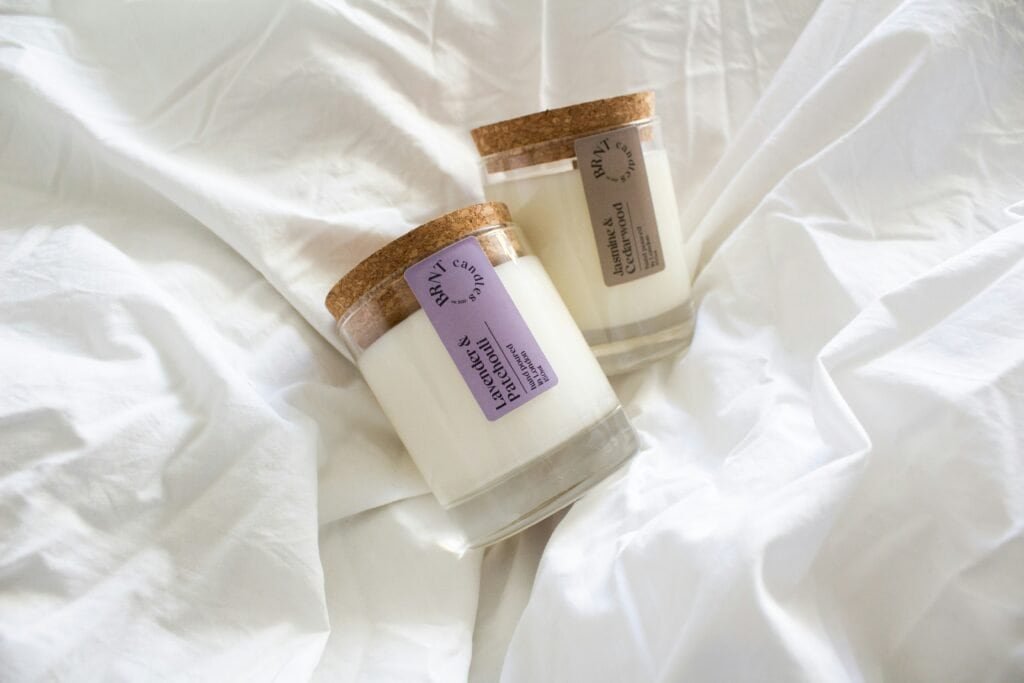
I get asked this a lot. Why not just light a candle?
The honest answer is that most candles are still problematic, even the “natural” ones. Paraffin wax is petroleum-based and releases benzene and toluene as it burns. Most “fragrance” in candles is synthetic. A lot of wicks still contain trace metals.
Clean-burning candles do exist (100% beeswax or coconut wax with cotton wicks and essential oil scent). But they cost $30 to $50 each and last about 40 hours.
A 4-ounce bottle of room spray with essential oils costs about $6 to make and lasts six weeks. Easier math.
If you do want to keep a few candles in the rotation, our non-toxic candles guide covers the brands that meet the standard.
If you want a roadmap for the bigger picture (swapping out the cleaners, the air fresheners, the candles, all of it) on a manageable timeline, grab the free 7-Day Kickstart. One small swap a day. By Sunday, your house already smells different (in the best way).
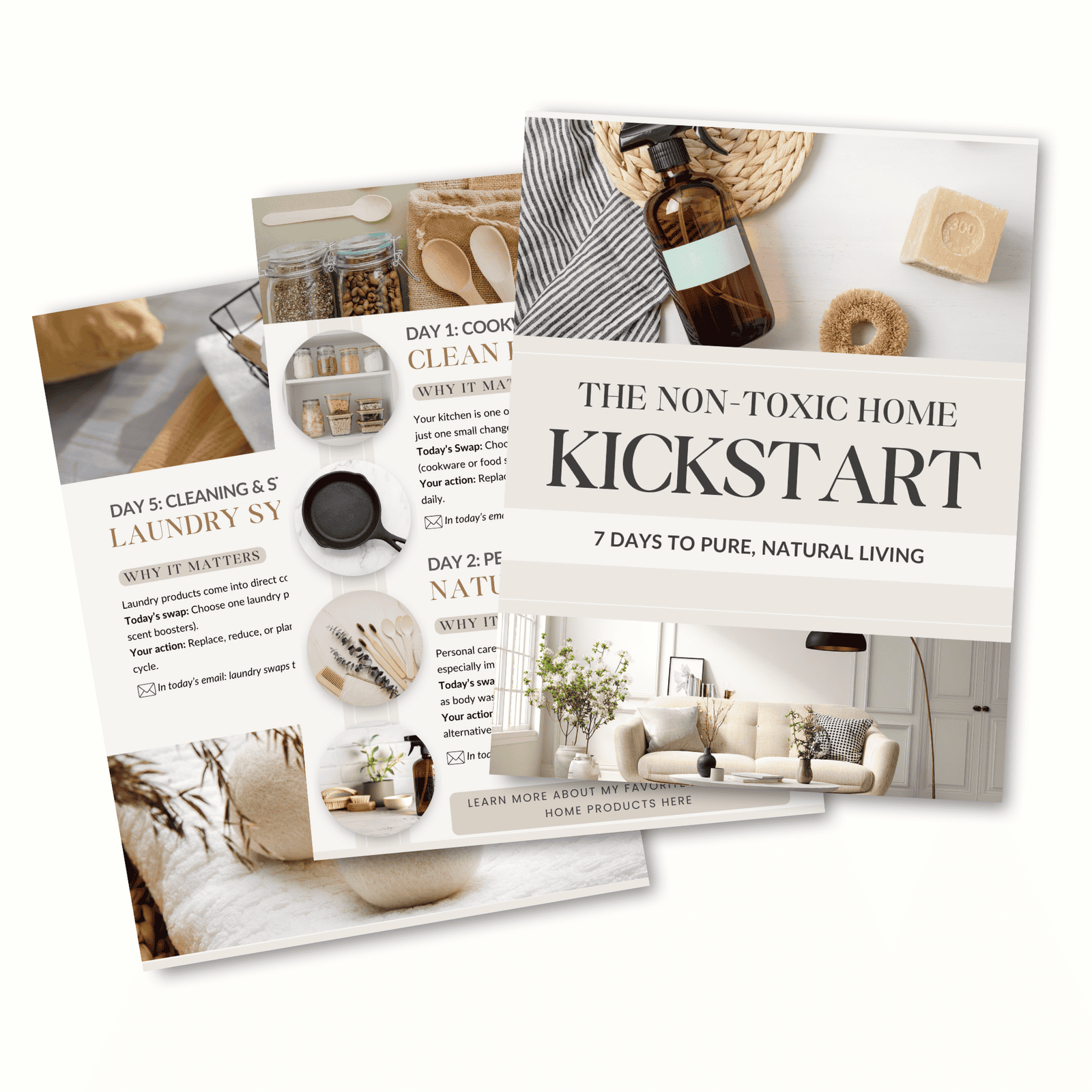
Your 7-Day Kickstart To A Non-Toxic Home
One swap per day. No overhaul required. Just 7 small changes that make your home a healthier place to live.
No spam. Unsubscribe anytime.
There You Have It!
A room spray with essential oils is the easiest, cheapest, most flexible non-toxic swap you can make in your house. The recipe takes 60 seconds. The ingredients last for months. And every blend you mix is one less plug-in poisoning the air around your kids.
Pick a blend from the list. Mix it tonight. Notice how different the room feels by morning.
What essential oil blend has been your favorite? Drop it in the comments. I’m always looking for new ones to try, especially seasonal ones for fall and winter.