15 Easy Eco Swaps for Beginners (That Actually Save Money)
Eco-friendly living has an image problem.
It looks expensive. It sounds judgmental. It feels like you have to overhaul everything at once and buy a bunch of bamboo products you didn’t need in the first place. The irony of “sustainable living” requiring a $200 shopping cart of new stuff is lost on nobody.
Here’s what actually works: small eco swaps that save money, reduce waste, and fit into the life you already live. No guilt. No purity contests. No throwing away perfectly good products to replace them with trendy alternatives.
Most of the best eco swaps are things your grandparents already did. Reusable bags. Bar soap. Cloth napkins. Buying in bulk. They just didn’t call it “eco-friendly.” They called it common sense.

Why Eco Swaps and Non-Toxic Living Go Together
If you’ve been following along with our non toxic swaps guide, you’ve already made some eco swaps without realizing it. Switching to reusable cleaning cloths instead of paper towels? Eco swap. Making your own cleaning products instead of buying plastic bottles? Eco swap. Choosing glass food storage over plastic? Eco swap.
The Venn diagram between non-toxic and eco-friendly is nearly a circle. Less packaging usually means fewer chemicals. Simpler ingredients usually mean less processing. Reusable products usually mean less exposure to the synthetic coatings on disposables.
These eco swaps just take that overlap a little further.
15 Eco Swaps (Organized by Savings)
As an Amazon Associate, I earn from qualifying purchases. This means if you click an Amazon link and buy something, I may earn a small commission at no extra cost to you.
Swaps That Save the Most Money
1. Reusable Water Bottle ($0-$25 upfront)
What you’re replacing: Single-use plastic water bottles
Annual savings: $200-$500 (at $1-$2 per bottle, one per day)
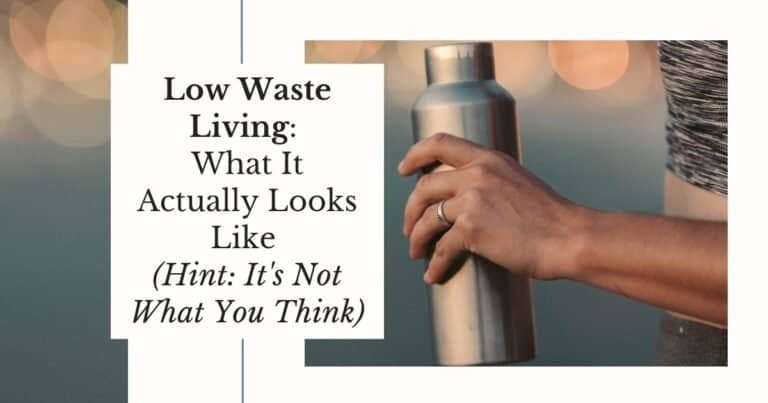
The swap: Any reusable bottle works. Stainless steel if you want something that lasts decades. Glass if you prefer no metallic taste. Even reusing a single disposable bottle a few times before recycling is better than buying new every time.
This is the eco swap with the highest return on investment. Period.
2. DIY Cleaning Products ($50-$100 saved per year)
What you’re replacing: 5-10 bottles of conventional cleaners per year
Annual savings: $50-$100+
The swap: Five ingredients (vinegar, baking soda, castile soap, hydrogen peroxide, essential oils) replace every commercial cleaner. Total startup cost is about $15. We have the full recipe list in our DIY cleaning guide.
One bottle of castile soap ($12) lasts 3-6 months of all-purpose cleaning. A gallon of vinegar ($3) lasts months. Compare that to $4-$8 per bottle of conventional cleaner.
3. Reusable Shopping Bags ($50-$100 saved per year)
What you’re replacing: Plastic and paper bags at checkout
Annual savings: $50-$100 (in bag fees, depending on your state)
The swap: Keep reusable bags in your car. That’s it. The trick isn’t buying them (everyone has a drawer full). It’s remembering to bring them. Leave them on the front seat, not in the trunk.
4. Cloth Napkins and Towels ($30-$60 saved per year)
What you’re replacing: Paper towels and paper napkins
Annual savings: $30-$60
The swap: A pack of 12 cloth napkins costs about $15 and lasts years. A stack of microfiber cloths ($10 for a 12-pack) replaces paper towels for cleaning. Throw them in the wash with your regular laundry. No extra effort.
The average American household uses 80+ rolls of paper towels per year. At $1-$2 per roll, that’s $80-$160. Cloth cuts that to nearly zero.
5. Bar Soap Instead of Body Wash ($20-$40 saved per year)
What you’re replacing: Plastic bottles of body wash
Annual savings: $20-$40
The swap: A $4-$6 bar of soap lasts as long as (or longer than) a $6-$10 bottle of body wash. Zero plastic. Less water shipped (body wash is mostly water). And bar soap has had a serious quality upgrade. Brands like Dr. Bronner’s, Ethique, and local handmade soap makers offer options that are nothing like the drying bars from decades ago.
Swaps That Save Some Money
Eco swaps are one of the easiest ways to start going non-toxic. The free 7-Day Non-Toxic Home Kickstart gives you a swap for every room, with zero overwhelm.
Your 7-Day Kickstart To A Non-Toxic Home
One swap per day. No overhaul required. Just 7 small changes that make your home a healthier place to live.
No spam. Unsubscribe anytime.
6. Reusable Produce Bags ($10-$20 saved per year)
What you’re replacing: Those thin plastic bags in the produce section
Annual savings: $10-$20 (in reduced plastic waste, minimal direct savings)
The swap: Mesh produce bags ($8-$12 for a set of 6-8). Toss them in with your reusable shopping bags. Works for fruits, vegetables, and bulk bin items.
7. Beeswax Wraps ($15-$25 saved per year)
What you’re replacing: Plastic wrap (Saran wrap, cling film)
Annual savings: $15-$25
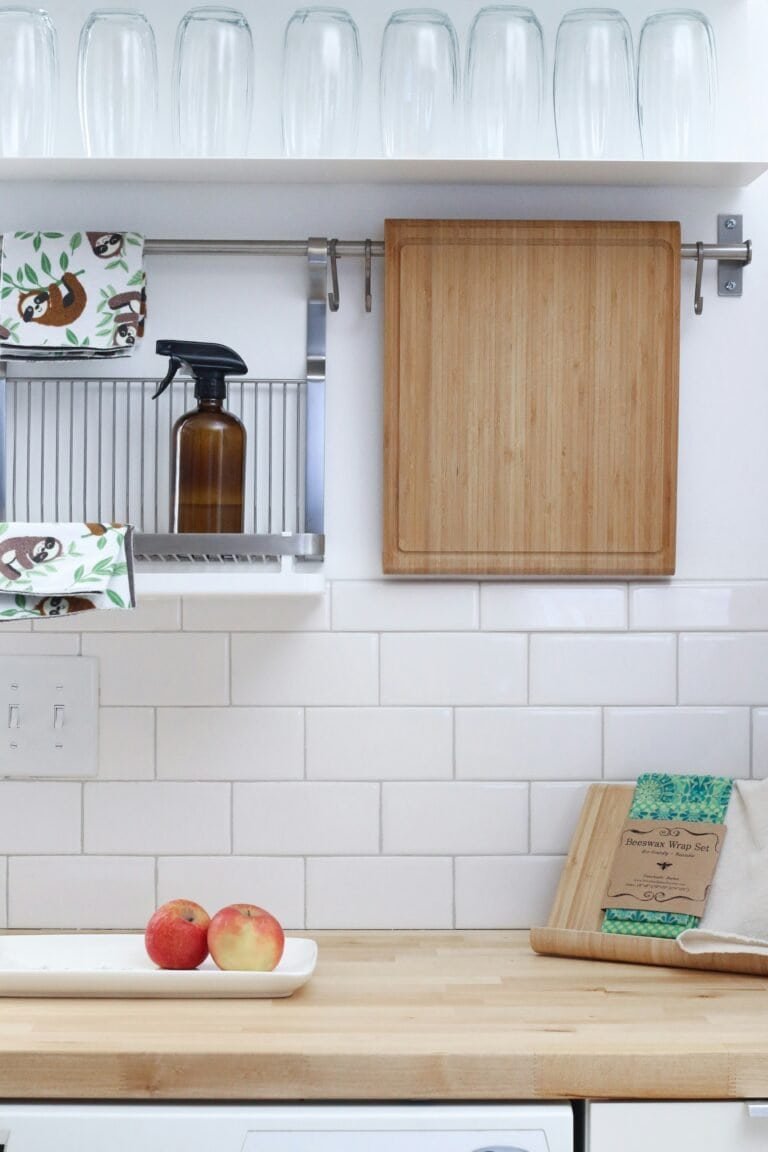
The swap: Beeswax wraps ($15-$20 for a set) last about a year with proper care. Wrap leftovers, cover bowls, wrap cheese and bread. They cling using the warmth of your hands. Wash with cool water and mild soap.
The only thing beeswax wraps can’t do: microwave. Use a plate or glass container for that.
8. Wool Dryer Balls ($20-$30 saved per year)
What you’re replacing: Dryer sheets and fabric softener
Annual savings: $20-$30
The swap: A set of 6 wool dryer balls ($10-$15) lasts 1,000+ loads. They reduce drying time by 10-25% (saving energy costs too), naturally soften clothes, and reduce static. Add a few drops of essential oil if you want scented laundry. We covered this in our laundry guide.
9. Reusable Food Storage ($10-$20 saved per year)
What you’re replacing: Ziplock bags and disposable containers
Annual savings: $10-$20
The swap: Glass containers with snap lids for leftovers and meal prep. Silicone bags (Stasher is the popular brand) for snacks and freezer storage. Mason jars for everything else. You probably already have most of what you need.
10. Safety Razor ($30-$50 saved per year)
What you’re replacing: Disposable razors or expensive cartridge refills
Annual savings: $30-$50
The swap: A stainless steel safety razor ($20-$35 upfront) uses replaceable blades that cost about $0.10 each. A year’s worth of blades costs $5-$10 compared to $30-$60 for cartridge refills. The razor itself lasts a lifetime. Zero plastic waste after the initial purchase.
Swaps That Cost About the Same
11. Bamboo Toothbrush ($0 difference)
What you’re replacing: Plastic toothbrushes
Cost difference: About the same ($3-$5 per brush)
The swap: Bamboo handle with nylon bristles. Compostable handle (minus the bristles). Replace every 3 months like a regular toothbrush. Available at most grocery stores and pharmacies now.
12. Refillable Hand Soap ($0 difference)
What you’re replacing: Plastic pump bottles of hand soap
Cost difference: Comparable or slightly cheaper
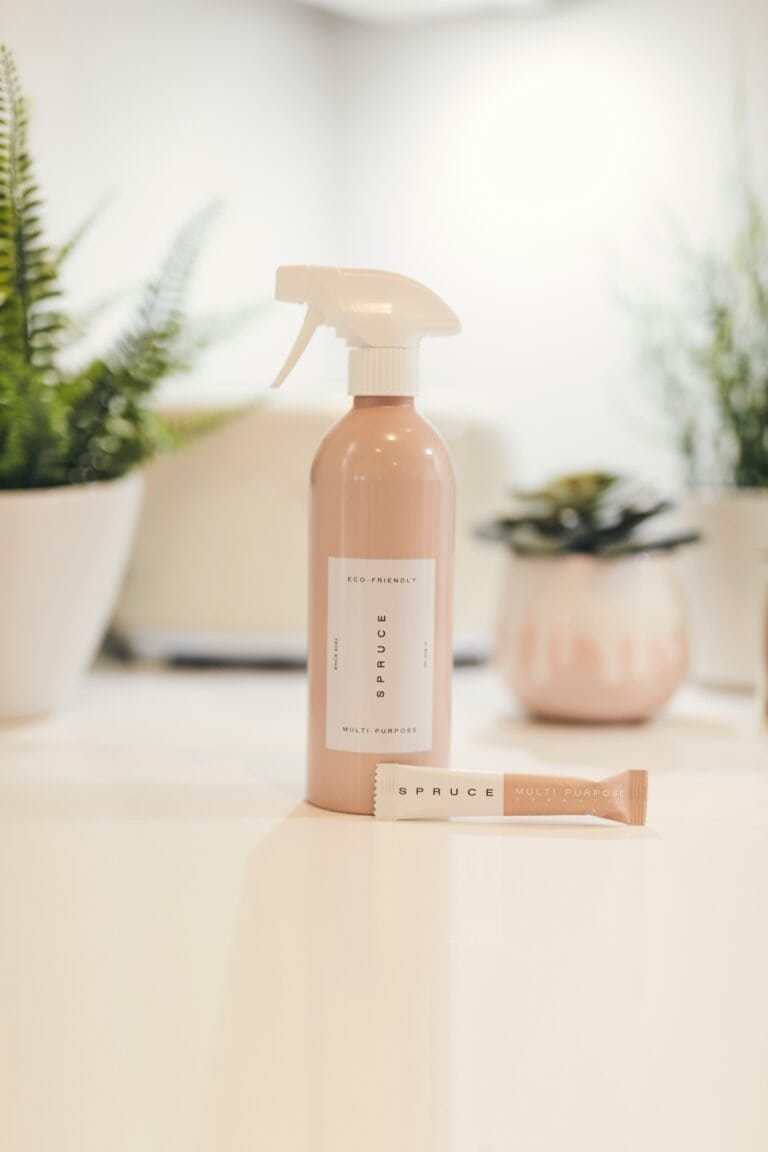
The swap: Buy one nice soap dispenser. Refill with castile soap diluted with water (1 part soap to 3 parts water). Or buy refill tablets (Blueland, Cleancult) that dissolve in water. One bottle, reused indefinitely.
13. Reusable Coffee Filter or French Press ($0-$5 savings per month)
What you’re replacing: Paper coffee filters or single-use pods
Cost difference: Saves $5-$10 per month on filters/pods
The swap: A reusable mesh filter ($8-$12), a French press ($15-$30), or a pour-over with a metal filter. If you use single-serve pods, this swap also eliminates significant plastic and aluminum waste. One reusable filter lasts years.
14. Compost Bin (Free if You DIY)
What you’re replacing: Food scraps going to landfill
Cost: Free (backyard pile) to $30 (countertop bin)
The swap: Divert fruit peels, vegetable scraps, coffee grounds, and eggshells from the trash. Reduces your household waste by 20-30%. If you garden, you get free fertilizer. If you don’t, many cities now offer curbside compost collection.
Start simple: a countertop compost bin or even a bowl with a lid. Empty it into a backyard pile, a tumbler, or your city’s collection bin weekly.
15. “Buy Less, Choose Better” (Saves the Most of All)
This isn’t a product swap. It’s a mindset swap. And it’s the single most impactful eco change you can make.
Before buying anything new, ask: Do I actually need this? Can I borrow it? Can I find it secondhand? Will I use it more than a handful of times?
The most sustainable product is the one you don’t buy. Every item that doesn’t enter your home doesn’t need to be manufactured, shipped, stored, or eventually thrown away. This isn’t about deprivation. It’s about intentionality.
Eco Swaps Are the Starting Line
These 15 swaps save money and cut toxins. Want a structured plan to keep going? The 7-Day Non-Toxic Kickstart gives you one focused swap a day, delivered to your inbox.
Your 7-Day Kickstart To A Non-Toxic Home
One swap per day. No overhaul required. Just 7 small changes that make your home a healthier place to live.
No spam. Unsubscribe anytime.
Where to Start
If you’re brand new to eco swaps, don’t try all 15 at once. Pick the three that save the most money for your specific household:
If you buy bottled water: Swap #1 (reusable bottle). Biggest single savings.
If you buy lots of cleaning products: Swap #2 (DIY cleaners). Saves money AND is non-toxic.
If you use a lot of paper towels: Swap #4 (cloth towels). The change you’ll notice in your trash output immediately.
If you want the easiest possible start: Swap #11 (bamboo toothbrush). Zero effort, zero cost difference. Just grab a different brush next time you’re at the store.
The best eco swaps aren’t the trendiest ones. They’re the ones you’ll actually stick with. Start with what fits your life and add more over time.
For a complete room-by-room guide to non-toxic and eco-friendly product swaps, check out our 25 non toxic swaps for every room.
Save This For Later
Want the Easy Version?
Get the free 7-Day Non-Toxic Home Kickstart, one simple swap a day, delivered to your inbox.
Your 7-Day Kickstart To A Non-Toxic Home
One swap per day. No overhaul required. Just 7 small changes that make your home a healthier place to live.
No spam. Unsubscribe anytime.