8 Non Toxic Cleaning Products You Can Make for Under $5 Each
The cleaning aisle at the grocery store is absurd.
Thirty different sprays. Half of them have warning labels longer than the ingredient list. The other half say “natural” on the front but contain the exact same chemicals when you flip them over. And they all cost $6-$8 a bottle for what amounts to water, a surfactant, and some fragrance.
Here’s what nobody tells you about non toxic cleaning products: the best ones are embarrassingly simple to make. We’re talking three or four ingredients. Most of them are already in your kitchen. Total cost per batch? Usually under $5. Sometimes under $2.
We’ve been making our own cleaners for a while now. Some recipes are great. Some were disasters (the castile soap and vinegar combo that turned into a curdled mess, for example). What follows is the stuff that actually works.
Why Your Current Cleaners Might Be a Problem
Before the recipes, a quick “why bother” for the skeptics.
Conventional cleaning products aren’t required to list all their ingredients. The word “fragrance” alone can cover dozens of undisclosed chemicals. When you spray a cleaner on your kitchen counter and then set food on it, residue transfers. When you clean the bathtub and then soak in it, your skin absorbs what’s left behind. When you spray glass cleaner, you breathe the mist.
The biggest offenders: chlorine bleach, ammonia, 2-butoxyethanol (in glass cleaners), synthetic fragrance (in basically everything), and triclosan (in “antibacterial” products). Research links chronic exposure to respiratory issues, endocrine disruption, and skin irritation.
Nobody’s getting sick from one spray. It’s the daily, weekly, yearly accumulation across every surface in your home. That’s what non toxic cleaning products address.
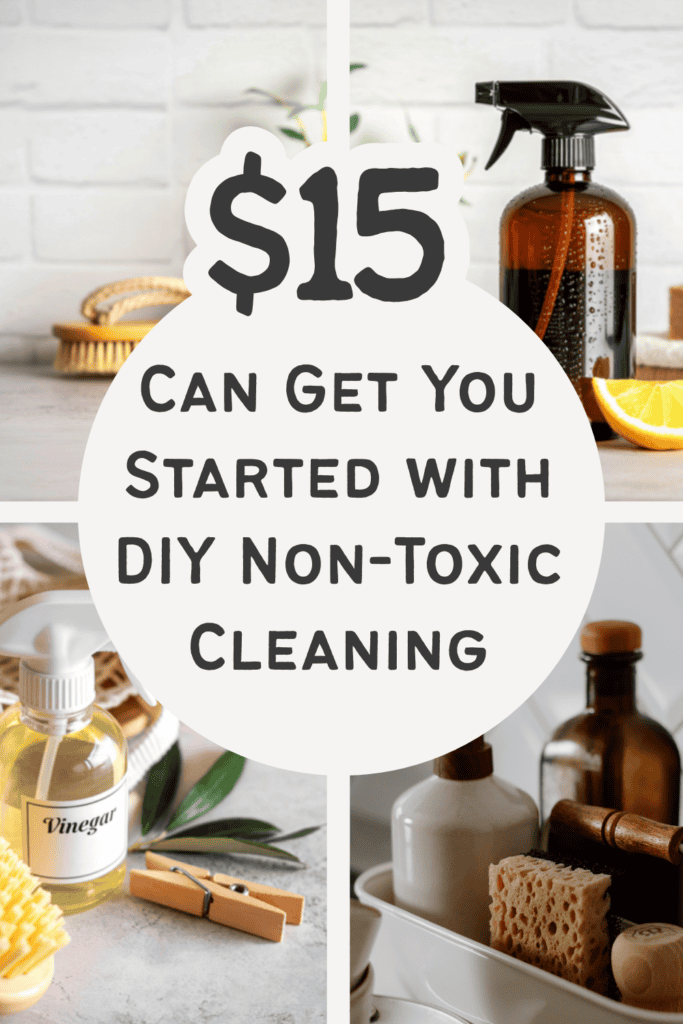
The 5 Ingredients That Replace Everything
As an Amazon Associate, I earn from qualifying purchases. This means if you click an Amazon link and buy something, I may earn a small commission at no extra cost to you.
Seriously. Five things. That’s your entire cleaning supply closet.
White vinegar. Cuts grease, dissolves mineral deposits, deodorizes. Mildly antimicrobial. Costs about $3 per gallon. You’ll use this in almost every recipe.
Baking soda. Gentle abrasive. Deodorizer. Stain lifter. A box costs $1 and lasts months. The scrubbing power is real.
Castile soap. Plant-based soap that handles anything from dishes to floors. Dr. Bronner’s is the standard. One bottle, diluted differently for different jobs. Get the unscented version unless you want everything to smell like peppermint.
Hydrogen peroxide (3%). Disinfects. Whitens. Kills mold. The brown bottle at the drugstore for $1. Important: don’t mix it with vinegar in the same bottle (it creates peracetic acid, which isn’t fun). Use them separately and you’re golden.
Essential oils (optional). Tea tree for antimicrobial properties. Lemon for grease cutting and scent. Lavender if you want your house to smell like a spa. These are the only ingredient that costs real money, and they’re completely optional. Everything works without them.
Total investment to get started: about $15. That covers months of non toxic cleaning products for your entire house.
The Recipes (All Tested, All Simple)
Every recipe below fits in a standard 16oz spray bottle unless noted otherwise. We measured so you don’t have to guess.
All-Purpose Cleaner
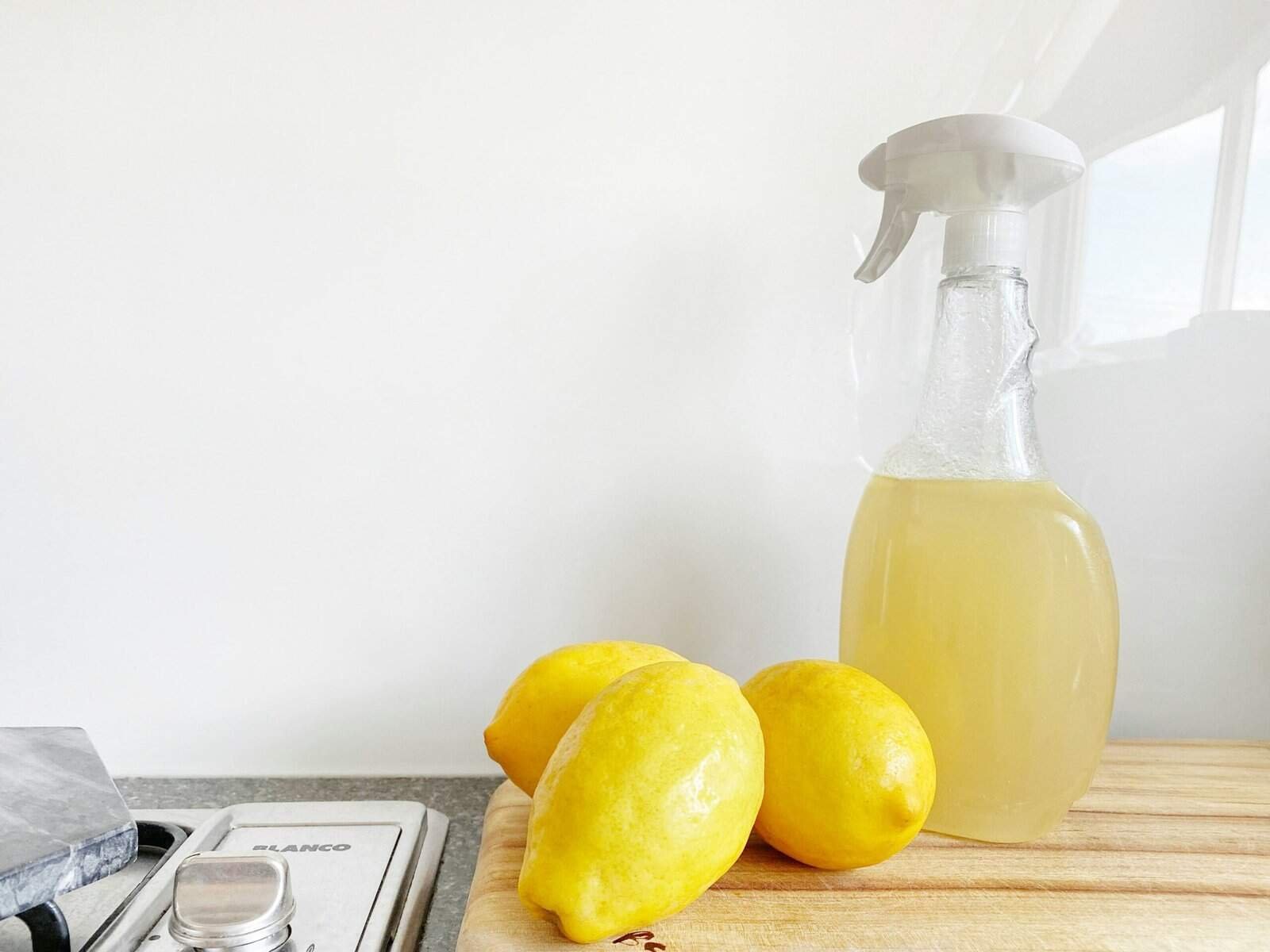
This is the workhorse. Kitchen counters, bathroom sinks, stovetops, tables, shelves. You’ll reach for this one daily.
What you need:
- 1 cup white vinegar
- 1 cup water
- 10 drops tea tree essential oil (optional)
- 5 drops lemon essential oil (optional)
Mix in a spray bottle. Shake before each use. Done.
What it handles: General grime, light grease, soap scum, water spots. Basically every surface that isn’t natural stone.
What to skip it on: Granite, marble, quartzite, or any natural stone surface. The vinegar’s acidity etches stone over time. Use the castile soap spray below for those.
Natural Glass Cleaner
Commercial glass cleaners contain 2-butoxyethanol, which the EPA classifies as a potential hazard. This works just as well.
What you need:
- 1 cup water
- 1 cup white vinegar
- 1 tablespoon cornstarch
Shake well before spraying (the cornstarch settles). Wipe with newspaper or a lint-free cloth for zero streaks. The cornstarch is the secret. It adds just enough friction to prevent streaking without leaving residue.
Soft Scrub (For Tubs, Tile, and Sinks)
When you need scrubbing power but don’t want to breathe bleach fumes.
What you need:
- 1/2 cup baking soda
- Enough castile soap to make a paste (a few tablespoons)
- 5 drops tea tree oil (optional)
Mix into a paste in a small bowl. Apply with a sponge or cloth. Scrub. Rinse. That’s it.
Honest note: This handles everyday grime and soap scum perfectly. For heavy calcium buildup or serious hard water stains, you might need to let white vinegar sit on the area for 30 minutes first, then follow up with the scrub. Two steps instead of one. Still beats toxic fumes.
Ready to Go Beyond Cleaning Products?
These recipes cover what you spray. But the kitchen, bathroom, and bedroom all have toxin sources that have nothing to do with cleaning. The 7-Day Non-Toxic Kickstart walks you through one simple swap a day.

Your 7-Day Kickstart To A Non-Toxic Home
One swap per day. No overhaul required. Just 7 small changes that make your home a healthier place to live.
No spam. Unsubscribe anytime.
Natural Cleaning Spray for Stone Countertops
Since vinegar is off-limits for natural stone, here’s the alternative.
What you need:
- 2 cups warm water
- 1 teaspoon castile soap
- 5 drops essential oil of choice (optional)
Spray and wipe. The castile soap is pH-neutral enough to be safe on stone. Won’t etch, won’t dull the finish.
Floor Cleaner
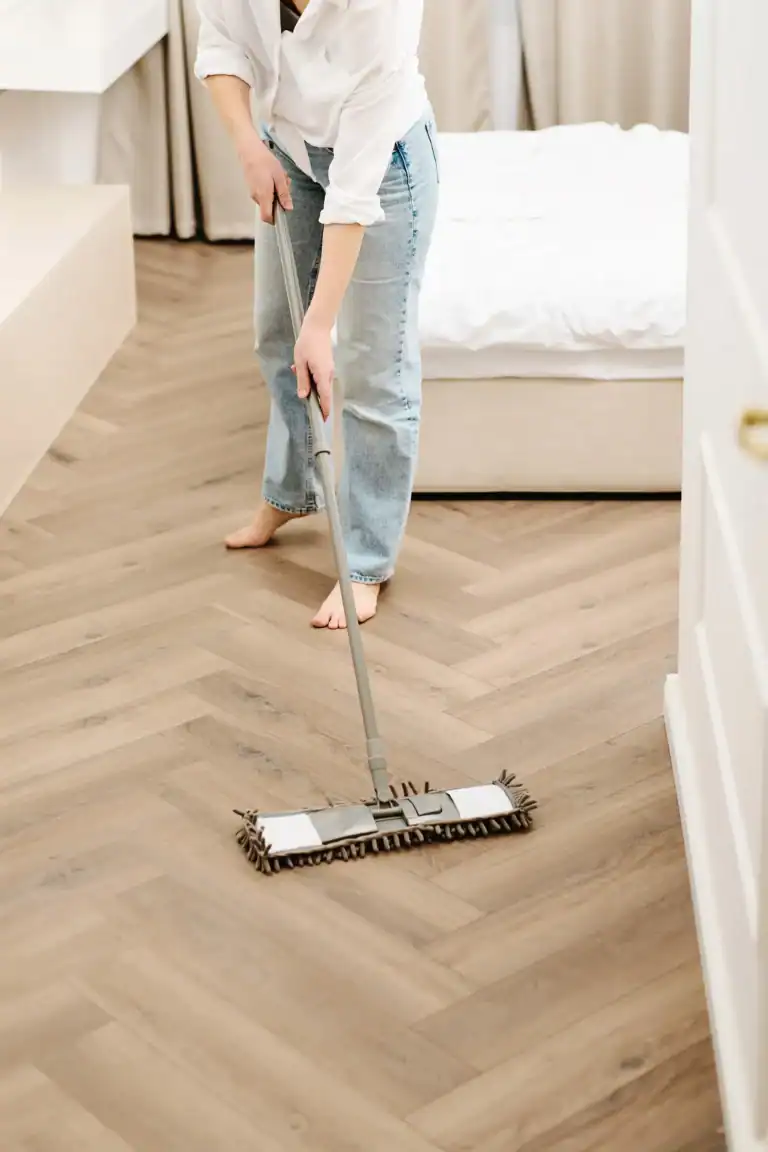
Works on tile, vinyl, laminate, and sealed hardwood. One bucket, whole house.
What you need:
- 1 gallon hot water
- 1/4 cup white vinegar
- 1 tablespoon castile soap
- 10 drops lemon essential oil (optional)
Mix in a bucket. Mop as usual. No rinsing needed at this dilution. Floors dry without residue.
For hardwood specifically: Some people skip the vinegar on hardwood and just use diluted castile soap and water. Either way works. If your floors have a wax finish (older homes), stick to soap only.
Disinfecting Spray
When you actually need to kill germs. Cutting board after raw chicken. Bathroom surfaces. Sick kid situations.
What you need:
- Hydrogen peroxide (3%, straight from the bottle)
Spray it directly on the surface. Let it sit for 1 minute. Wipe. That’s the whole recipe. Hydrogen peroxide is an EPA-registered disinfectant. No mixing required.
Keep it in the original dark bottle. Hydrogen peroxide breaks down in light. Transfer it to a spray nozzle but keep the dark bottle, or wrap a clear bottle in tape.
Toilet Bowl Cleaner
What you need:
- 1/2 cup baking soda
- 1/4 cup white vinegar
- 10 drops tea tree oil
Sprinkle baking soda in the bowl. Pour vinegar over it (it’ll fizz, which is satisfying and useful). Add tea tree oil. Let it sit 15 minutes. Scrub with a toilet brush. Flush.
For stubborn stains, let the baking soda sit overnight before adding vinegar.
Oven Cleaner
Commercial oven cleaners are among the most toxic products in a typical home. The fumes alone require ventilation.
What you need:
- 1/2 cup baking soda
- Water (enough to make a thick paste)
- White vinegar in a spray bottle
Spread the baking soda paste all over the oven interior (avoid heating elements). Let it sit overnight, or at least 8 hours. The next day, spray vinegar over the paste. It’ll foam up. Wipe everything out with damp cloths.
Takes more time than the spray-and-wipe chemical version? Yes. But your kitchen won’t smell like a chemical plant, and you can use your oven the same day without worrying about fumes cooking into your food.
Store-Bought Non Toxic Cleaning Products Worth Trying
Not everyone wants to mix their own cleaners. Fair enough. Here are the commercial non toxic cleaning products we’d actually buy.
Branch Basics. One concentrate, multiple dilutions. Handles everything from laundry to windows to bathroom scrubbing. Pricier upfront but the concentrate lasts a long time.
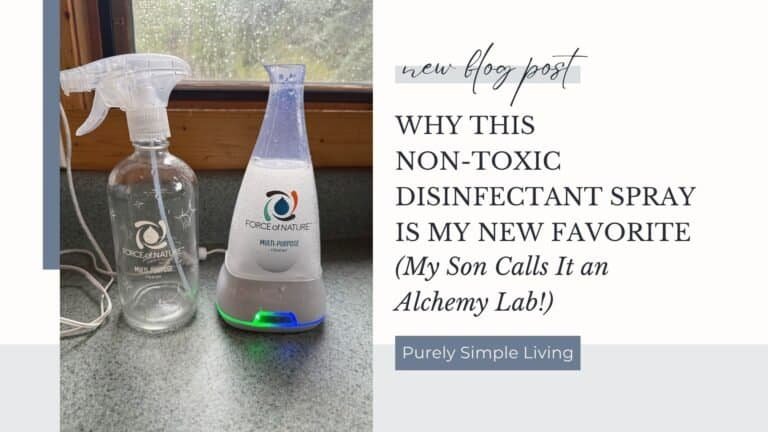
Force of Nature. Uses electrochemistry to turn salt, water, and vinegar into a cleaner that kills 99.9% of germs. EPA registered as a disinfectant. Sounds like an infomercial, but it legitimately works.
Use code BUNDLESAVINGS at checkout for 40% off the Starter Bundle plus free shipping.
Blueland. Tablet-based system. Drop a tablet in a reusable bottle, add water, done. Less plastic waste, effective formulas, reasonable price.
Puracy. Plant-based, well-formulated, available at most major retailers. Their multi-surface cleaner is a solid everyday option.
The Budget Comparison
This is where it gets interesting.
A typical household spends $40-$60 per month on cleaning products. Non toxic versions from the store run $50-$80 per month (the “clean tax” is real).
Making your own? About $10-$15 per month covers everything. Vinegar, baking soda, castile soap, and hydrogen peroxide. That’s a savings of $300-$700 per year, depending on what you were buying before.
Even if you go half-DIY, half-store-bought, you’re still coming out ahead.
Start With One Recipe
If you make one thing from this post, make the all-purpose cleaner. It replaces 3-4 commercial products. Takes 60 seconds to mix. Costs less than a dollar. Ready to tackle the rest of your home? Here are 25 non-toxic swaps for every room. And it works on almost everything in your kitchen and bathroom.
Your kitchen is dialed in. Your bathroom swaps are handled. Now your cleaning products are sorted. Next up: making your bedroom a healthier place to sleep (you spend a third of your life there, so it matters more than you’d think).
Save This For Later
Grab the Printable
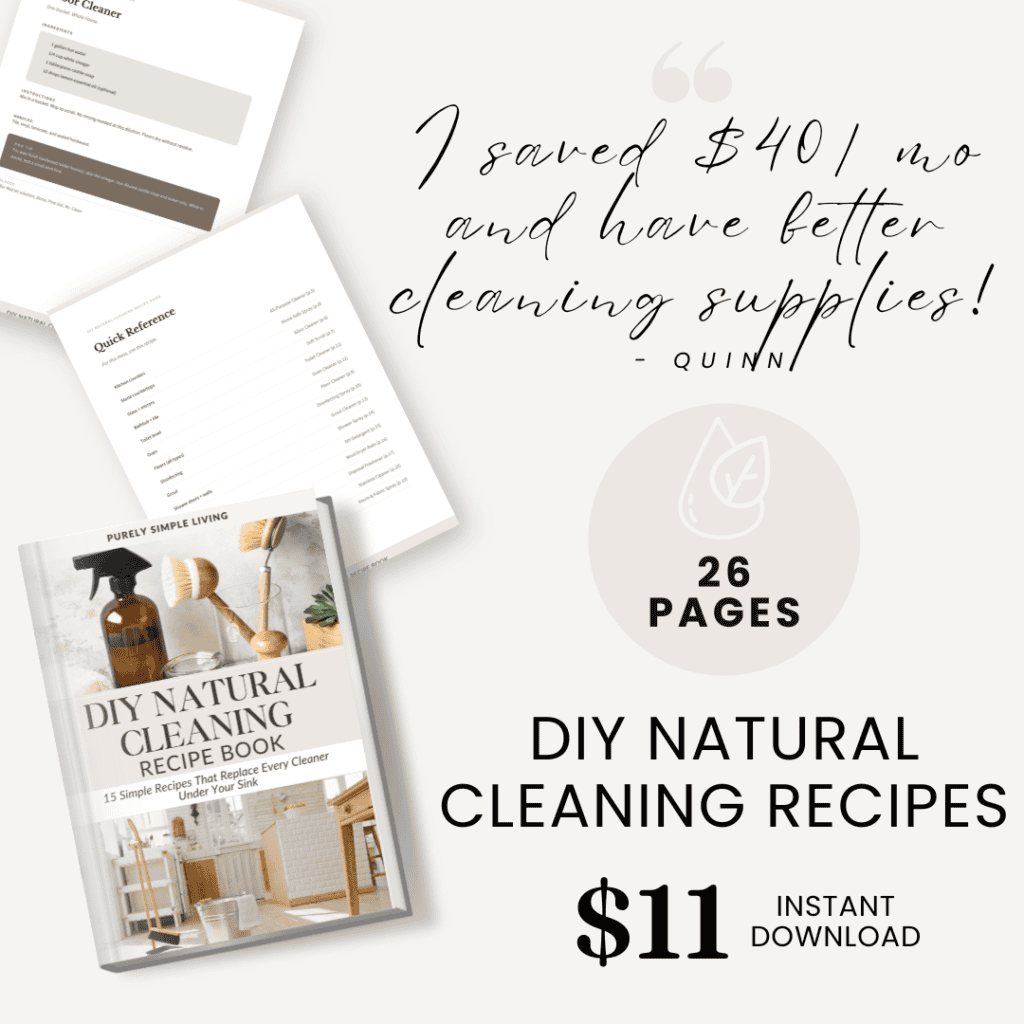
Want all 15 recipes in one printable guide? Grab the DIY Natural Cleaning Recipe Book.
Recommended products
Want the Easy Version?
Get the free 7-Day Non-Toxic Home Kickstart, one simple swap a day, delivered to your inbox.
Your 7-Day Kickstart To A Non-Toxic Home
One swap per day. No overhaul required. Just 7 small changes that make your home a healthier place to live.
No spam. Unsubscribe anytime.