
Mineral Sunscreen: What It Actually Is + 9 Clean Brands That Don’t Leave a White Cast
I avoided mineral sunscreen for years because of the white cast. The first one I tried turned me Casper-white, and I was out the door for a hike with a face that looked like I had powdered for a kabuki performance. I went back to chemical SPF and felt guilty about it for years.
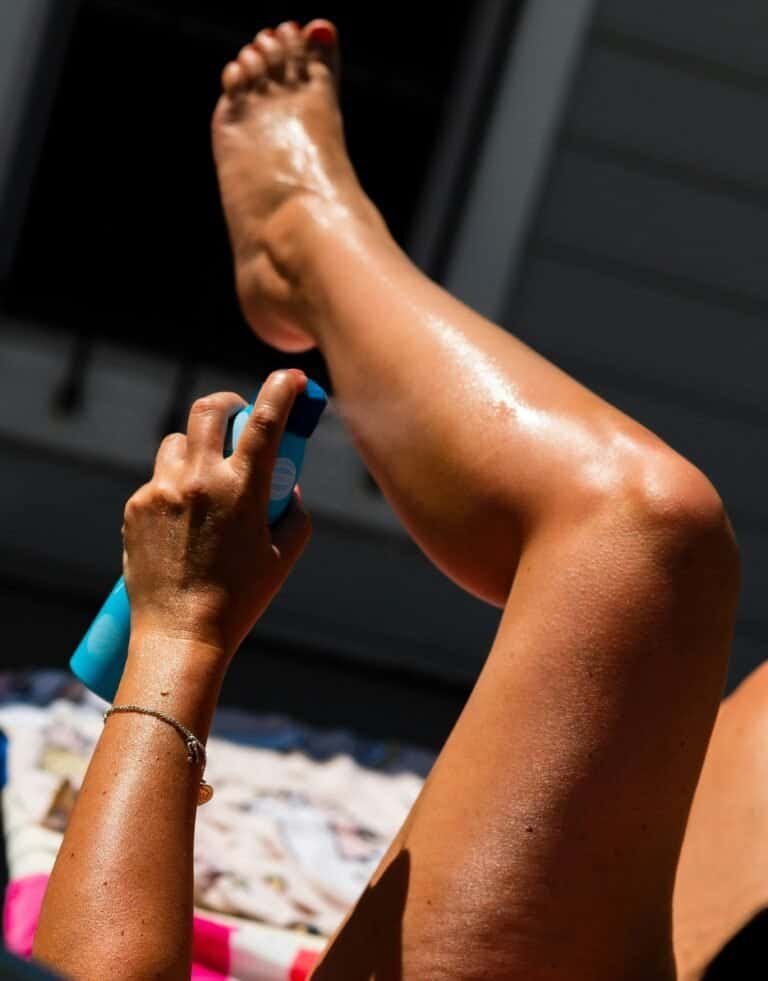
The good news is that mineral sunscreen has come a very long way. A modern mineral sunscreen can blend invisibly on most skin tones, sit comfortably under makeup, and protect you from UVA and UVB without the absorption questions of chemical SPF. Below is what mineral SPF actually is, why it is having a moment, the nine brands that have figured out the texture problem, and how to choose for your skin tone and use case.
What mineral sunscreen actually is
All sunscreens fall into two big categories: mineral (also called physical) and chemical.
Mineral sunscreen uses zinc oxide and/or titanium dioxide as the active ingredient. These are minerals that sit on top of your skin and physically reflect or scatter UV rays. They start protecting immediately upon application. The most common knock against them is the white cast, which the newer formulations have largely solved.
Chemical sunscreen uses ingredients like oxybenzone, octinoxate, avobenzone, and octocrylene. These absorb into your skin and convert UV rays into heat. They need 15 to 20 minutes to start working. They have raised increasing concerns about hormone disruption, coral reef damage, and skin absorption. The FDA has called for more safety testing on most chemical SPF ingredients.
Hawaii and several other locations have banned oxybenzone and octinoxate because of coral reef bleaching. The EWG Guide to Sunscreens updates yearly and is the best reference for current research.
Who mineral sunscreen is best for
As an Amazon Associate, I earn from qualifying purchases. This means if you click an Amazon link and buy something, I may earn a small commission at no extra cost to you.
- Sensitive skin or eczema. Mineral is much less likely to irritate or cause reactions.
- Pregnant or nursing. Absorption questions of chemical SPF make mineral the safer pick during pregnancy.
- Babies and kids. All major pediatric organizations recommend mineral SPF for children under 6 months and as the default for kids generally.
- Acne-prone skin. Non-comedogenic mineral SPF tends to break out skin less than chemical.
- Anyone in the water. Reef-safe coastal travel.
- People prone to rosacea or heat-triggered redness. Chemical sunscreens convert UV to heat, which can flare these conditions.
What to look for in a clean mineral SPF
- Active ingredient: non-nano zinc oxide is the gold standard. Titanium dioxide is fine. Avoid blends with chemical filters.
- Non-nano specifically. Nano-sized particles can be absorbed; non-nano stays on the skin surface. Almost all clean brands specify non-nano on the label.
- Reef-safe certified. Especially important if you swim in the ocean.
- EWG-verified or Made Safe certified. Third-party verification you can trust.
- Tinted formulas for darker skin tones. The biggest game-changer for solving the white cast.
- Broad spectrum. Protects against both UVA (aging) and UVB (burning).
- SPF 30 to 50. Higher SPF gives diminishing returns and often more chemical content.
The best mineral sunscreen brands
1. Beautycounter Countersun Mineral Sunscreen

Lightweight, blends well on most skin tones, water-resistant. One of the cleanest formulations on the market. Available as lotion, mist, and stick formats. The face version (Dew Skin) doubles as a tinted moisturizer.
2. ThinkSport Safe Sunscreen SPF 50

Top-rated by EWG year after year, very affordable, made for active families. Sticky texture takes some getting used to but the protection is reliable. ThinkSport sunscreen is the easiest pickup at most natural retailers.
3. Badger Mineral Sunscreen Cream

Five-ingredient formula, organic, very gentle. Best for sensitive skin and kids. The texture is thick but blends with effort.
4. Babo Botanicals Clear Zinc Sunscreen
Designed to blend without white cast on a range of skin tones. Light texture, non-greasy. Their kid-specific Daily Sheer is a favorite for school mornings.
5. Tubby Todd Everyday Sunscreen
The same brand behind the cult-favorite Tubby Todd skincare. Gentle, designed for kids first, works for adults. EWG-rated.
6. Earth Mama Tinted Mineral Sunscreen

Tinted to blend on light to medium skin tones, organic, made for pregnancy and post-partum. Earth Mama is one of the most rigorous clean baby brands.
7. Crunchi Sunlight Body

Higher-end, beautiful packaging, blends invisibly on light to medium skin. Non-nano mineral zinc oxide technology SPF 30.
8. Coola Mineral Matte Sunscreen
Designed to sit beautifully under makeup, mattifying for oily skin, lightweight. The only mineral SPF that has truly worked under my foundation without pilling.
9. Black Girl Sunscreen Make It Matte SPF 45

Black Girl Sunscreen makes both chemical and mineral versions. Their mineral matte option blends well on deeper skin tones, which most mineral SPF brands fail at. A leader in solving the white cast for darker complexions.
How to actually apply mineral sunscreen

- Use enough. About a teaspoon for your face and neck, a shot glass worth for your body. Most people use a fraction of this.
- Apply 15 minutes before going outside, even though mineral works immediately. The buffer gives it time to settle.
- Reapply every 2 hours when outside, or after swimming or heavy sweating.
- Dab, do not rub. Rubbing thins the layer. Pat it in.
- Layer over moisturizer, under makeup. Let each layer set before adding the next.
Frequently asked questions

Why does mineral sunscreen leave a white cast?
Zinc oxide is naturally white. Older formulations had large particles of it that did not blend in. Newer formulations use either smaller (still safe non-nano) particles or add a tint to counteract the white. The brands above have all solved this in different ways.
Is mineral sunscreen better than chemical?
For most people, yes. It avoids the absorption and hormone-disruption questions, it works immediately, and it is reef-safe. The trade-off has historically been texture, which the modern formulations have largely fixed.
Can I use the same sunscreen on my face and body?
You can, but face-specific formulas are usually thinner and more cosmetically elegant. Body formulas are richer and water-resistant. Match the product to the use.
How long does mineral sunscreen last on the shelf?
Most have a 12-month shelf life once opened. The active ingredient does not degrade like chemical SPF, but the other ingredients can spoil.
Is SPF 100 worth it?
No. SPF 30 blocks about 97% of UVB, SPF 50 blocks 98%, SPF 100 blocks 99%. Higher SPF often means more chemicals, not meaningfully more protection.
Do I need sunscreen on cloudy days?
Yes. Up to 80% of UV passes through clouds. The damage is happening even when you cannot see the sun.
What about sunscreen for babies?
Mineral SPF for babies over 6 months. Under 6 months, the AAP recommends shade and protective clothing rather than sunscreen on bare skin.
Sunscreen is one piece of sun protection
Sunscreen alone is not the whole answer. Sun-protective clothing, hats, and shade do more than any SPF can. For the full clean beauty picture, our non-toxic sunscreen roundup covers all SPF formats including chemical alternatives, and the clean beauty swap guide walks through the rest of the makeup and skincare counter.
What to do if you still get burned

A burn while using sunscreen means one of four things, and they all have fixes:
- You didn’t use enough. A teaspoon for the face, a shot glass for the body. Most people use a fraction of this.
- You didn’t reapply. Even water-resistant mineral SPF needs reapplication every 2 hours when outside, more often if swimming or sweating.
- You missed a spot. Common: ears, the back of the neck, the part in your hair, the tops of your feet. A mirror check helps.
- The SPF was old or stored wrong. Mineral SPF holds up better than chemical, but a tube left in a hot car for a summer is compromised.
When you do get burned: cool water for relief, aloe (the real kind from a plant or a 100% aloe gel without alcohol) to soothe, and stay out of the sun until it heals. Skip the petroleum-based “after-sun” products with synthetic fragrance.
Is spray sunscreen safe?
Mineral spray sunscreen is fine but harder to apply evenly. The biggest issue with spray SPF is inhalation, since you breathe in the cloud. Cream is always the safer application method.
How early in spring should I start wearing sunscreen daily?
UV is present year-round even in the mountains, but daily face SPF makes the most difference in spring through fall. Winter, a good moisturizer with built-in SPF is usually enough unless you are skiing or at altitude.
SPF in moisturizer vs standalone sunscreen
Daily moisturizers often include SPF, which sounds convenient. The reality is more nuanced:
- Pros: one product, less time, easier habit to build.
- Cons: people use less moisturizer than they would use dedicated sunscreen, so the actual SPF protection is lower than the label suggests.
- Best use: daily indoor and low-sun days. SPF moisturizer is plenty for office days and short outdoor errands.
- Skip for: beach days, hiking, sitting outside for an hour or more. Use a dedicated mineral sunscreen and reapply.
The “best sunscreen” is the one you actually use every day. If a separate sunscreen step means you skip it, the SPF moisturizer is genuinely better.
Want the Easy Version?
If you would rather skip the label-reading and just have a starting point for every room, our printable non-toxic home guide lays it all out. Grab it free below and pick one swap to start with this week.

Your 7-Day Kickstart To A Non-Toxic Home
One swap per day. No overhaul required. Just 7 small changes that make your home a healthier place to live.
No spam. Unsubscribe anytime.