The Non Toxic Living Beginner Guide: Replace Products As You Run Out
You just spent an hour on the internet reading about toxic chemicals in your home.
Now you’re standing in your kitchen staring at the cleaning supplies under the sink, the plastic containers in the cabinet, the non-stick pans on the stove, and the candle on the counter. Everything feels suspect. The urge to throw it all in a garbage bag and start over is real.
Don’t.
The most common mistake every non toxic living beginner makes is trying to change everything at once. It’s expensive, overwhelming, wasteful, and it almost always leads to burnout. You spend $300 in one weekend on “clean” replacements, feel good for a week, and then slowly go back to buying whatever’s on sale because the whole thing felt unsustainable.
There’s a better way. We call it the replace-as-you-run-out method. And it’s the approach that actually sticks.
How It Works
The concept is simple. When a product runs out, you replace it with a cleaner version. That’s it.
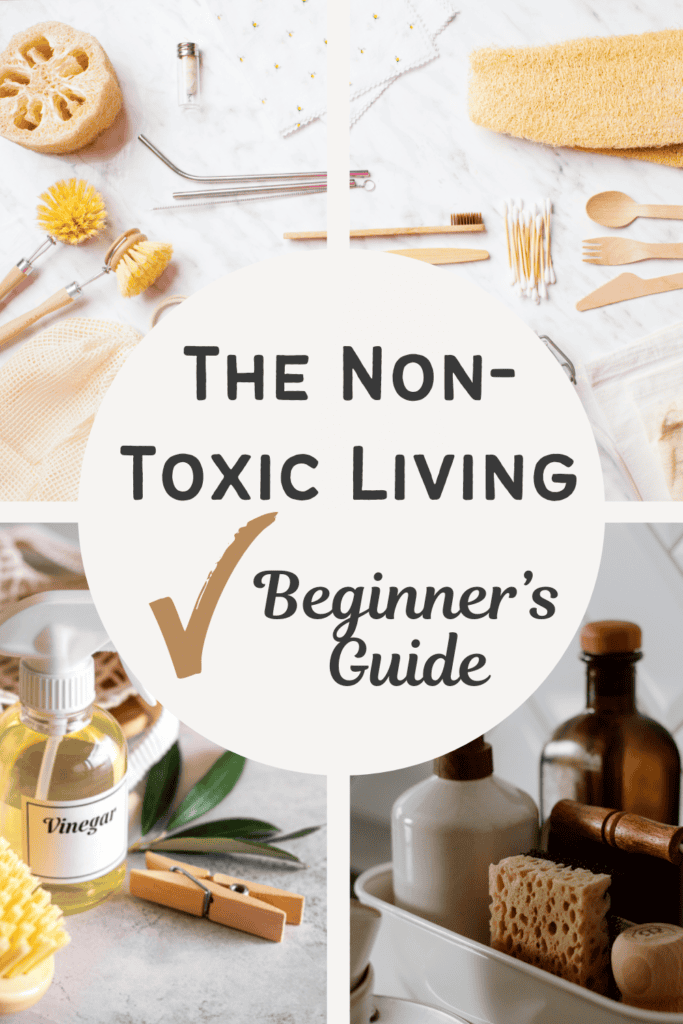
The dish soap is empty? Buy a non-toxic one instead of the same brand. The shampoo bottle is done? Try one from our non toxic shampoo guide. The all-purpose cleaner is gone? Make your own with vinegar and castile soap from our DIY recipe guide.
No throwing away perfectly good products. No $300 shopping trip. No overwhelm. Just one better choice at a time, at the natural pace of your household consumption.
Within 6-12 months, almost every product in your home turns over. Your kitchen, bathroom, laundry room, and cleaning supplies all shift to cleaner options without any single purchase feeling like a splurge.
Why This Method Works for Every Non Toxic Living Beginner
As an Amazon Associate, I earn from qualifying purchases. This means if you click an Amazon link and buy something, I may earn a small commission at no extra cost to you.
It’s Affordable
Spreading the cost over months instead of one weekend is the difference between sustainable and stressful. A $12 bottle of non-toxic dish soap every 2 months is manageable. Replacing every product in your house in one shopping trip is not.
Most non-toxic swaps cost the same as (or less than) their conventional counterparts. DIY cleaning products cost pennies per batch. The perceived expense for any non toxic living beginner comes from trying to do everything simultaneously. The replace-as-you-run-out method eliminates that problem entirely.
It Reduces Waste
Throwing away a half-full bottle of conventional cleaner to buy a non-toxic version creates more waste than it prevents. The chemicals are already in the bottle. They’re going to end up in a landfill either way. You might as well use what you’ve paid for and make the cleaner choice next time.
The most eco-friendly product is the one you already own. Use it up. Then upgrade.
It Prevents Decision Fatigue
Choosing one new product is manageable. Researching and choosing 30 new products in a weekend is paralyzing. You end up spending hours comparing brands, reading reviews, and still not sure if you made the right choice.
With replace-as-you-run-out, you only research one category at a time. Dish soap is empty? Spend 5 minutes reading our recommendation (or checking EWG’s Skin Deep database). Done. Move on with your life. When the shampoo runs out next month, spend 5 minutes on that. The decisions spread out naturally.
It Builds Lasting Habits
Quick overhauls don’t create habits. They create a flurry of activity followed by a return to normal. Gradual change creates muscle memory. After a few months of buying the cleaner version of each product, it becomes automatic. You’re not a stressed-out non toxic living beginner anymore. You’re just buying what you buy.
This is the same reason nutritionists recommend changing one meal at a time instead of overhauling your entire diet on Monday. Small changes compound into big results.
The Priority List (What to Replace First)
Not all swaps are equally impactful. Here’s what to prioritize when the opportunity comes up.
High Priority (Replace These First)
Cleaning products. You use these daily. You breathe them in. They touch every surface in your home. And they’re the easiest to replace because DIY versions cost almost nothing. When your all-purpose cleaner, glass cleaner, or bathroom scrub runs out, switch to a DIY recipe or a clean brand like Branch Basics.
Dish soap and hand soap. High frequency, direct skin contact. Easy swap. Castile soap works for both (diluted differently).
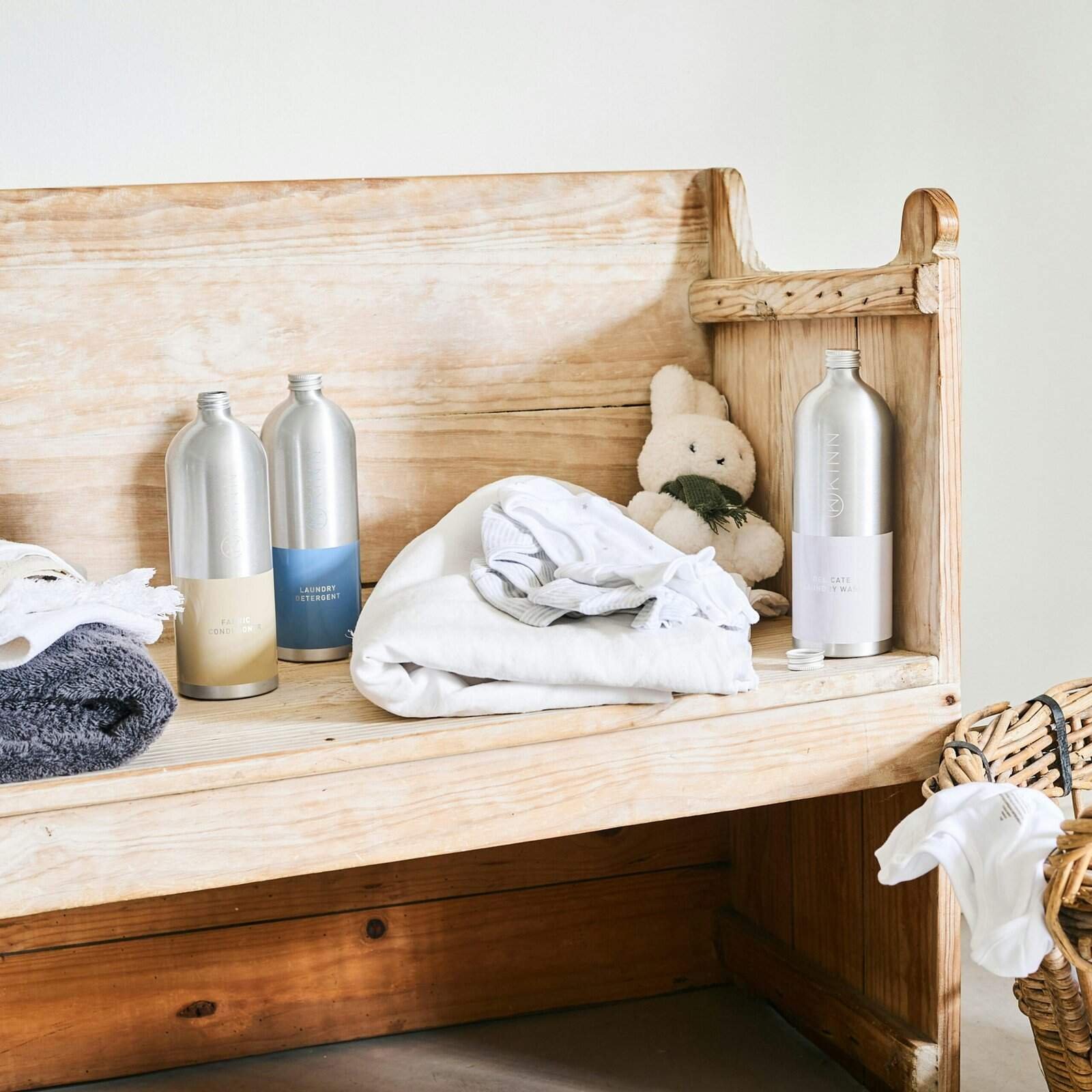
Laundry detergent. Everything it touches goes on your body. When your current bottle is empty, check our laundry detergent guide.
Anything you spray in the air. Air fresheners, disinfectant sprays, aerosol anything. These go directly into your lungs. When they’re empty, don’t replace them. Use natural home fragrance alternatives instead.
Ready to Start Replacing?
You know the method. You know what to replace first. The 7-Day Non-Toxic Kickstart puts it into action with one focused swap a day, delivered to your inbox.
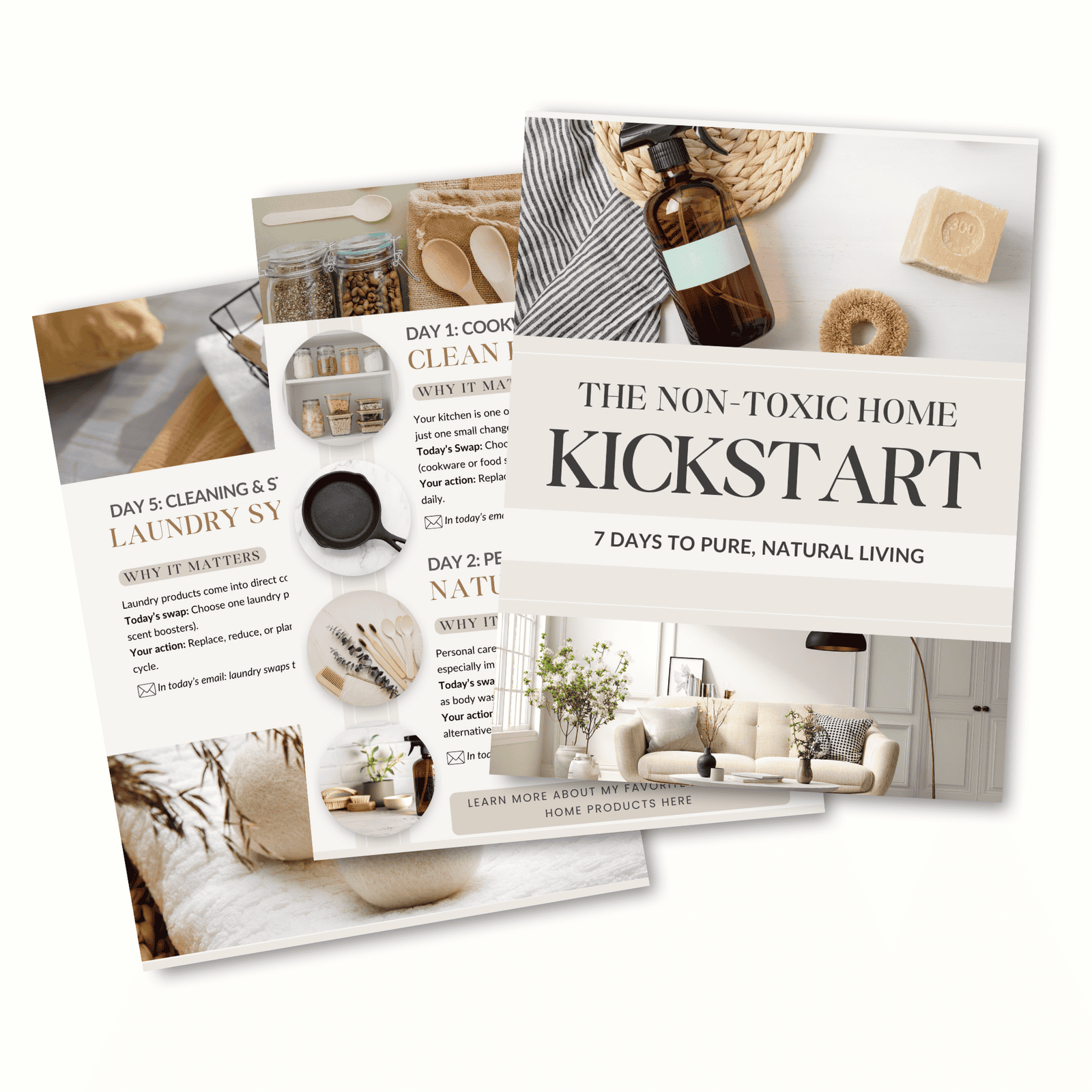
Your 7-Day Kickstart To A Non-Toxic Home
One swap per day. No overhaul required. Just 7 small changes that make your home a healthier place to live.
No spam. Unsubscribe anytime.
Medium Priority (Replace When You Can)
Shampoo, conditioner, body wash. Daily use, skin absorption, warm water increases uptake. Swap when they run out. Our shampoo guide and bathroom swaps guide have specific recommendations.
Makeup and skincare. You wear these on your face all day. Replace one product at a time as each runs out. Start with what you apply to the largest area (foundation/moisturizer) rather than what you use occasionally (eyeshadow). Our makeup brands guide and clean beauty guide cover this in detail.
Candles. If you burn candles regularly, the swap matters. If you light one occasionally, it’s lower priority. When your current candles are done, try non toxic candles or beeswax.
Lower Priority (When Budget Allows)
Cookware. Non-stick pans with scratched coating should be replaced sooner. Intact cookware is fine to use until it needs replacing. Our kitchen swaps guide covers options.
Food storage. Plastic containers that touch hot food or go in the microwave are worth replacing sooner. Cold dry storage is low risk. Swap gradually as containers crack or lose lids.
Mattress and bedding. These are significant purchases. Plan for them. A mattress topper or organic sheets are good intermediate steps. No rush unless you’re buying for a nursery.
Furniture. Most off-gassing happens in the first 6-12 months. If your furniture is older, the risk is minimal. Factor this in for future purchases, not replacements of existing pieces.
How to Track It Without Making It a Project
You don’t need a spreadsheet. You don’t need an app. Here’s the simplest tracking method:
Bookmark this blog. Seriously. When something runs out, come back here, find the category, click the guide link, and pick a replacement. Five minutes, done.
Or, if you like checklists, our room-by-room swaps guide has a printable checklist. Put it on the fridge. Check things off as you replace them. Satisfying and practical.
The tracking is optional. The method works even if you never track anything. The next time you’re at the store and something needs replacing, just choose the cleaner option. That’s the whole system.
What About Things That Don’t “Run Out”?
Some items don’t have a natural replacement cycle. Furniture, cookware, mattresses. These last years.
The rule: Don’t replace these just because they’re not “non-toxic.” Replace them when they need replacing anyway. When the non-stick pan starts flaking, that’s the time to invest in cast iron. When the mattress is 8 years old and sagging, that’s the time to research organic options.
The only exception: if a product is actively damaged in a way that increases exposure. A scratched non-stick pan releasing coating into your food. A cracked plastic container leaching into hot leftovers. Those are worth replacing sooner.
Everything else? Use it until its natural end of life. Then make the better choice.
The Mindset Shift
Going non-toxic isn’t a weekend project. It’s a direction.
You’re not trying to eliminate every chemical from your life by Friday. You’re making slightly better choices, one product at a time, for years. The cumulative effect is enormous. Within a year, your daily chemical exposure drops dramatically. Within two years, nearly everything in your home has turned over to a cleaner version.
And you didn’t throw anything away. You didn’t spend a fortune. You didn’t burn out after two weeks and give up. You just replaced things as they ran out.
That’s the approach every non toxic living beginner needs to hear, because the internet makes this look like an all-or-nothing lifestyle overhaul. It’s not. It’s a series of small, easy, affordable choices that add up to a genuinely healthier home.
Start with whatever runs out next. That’s your first swap. You’ve already begun.
Save This For Later
Grab the Printable
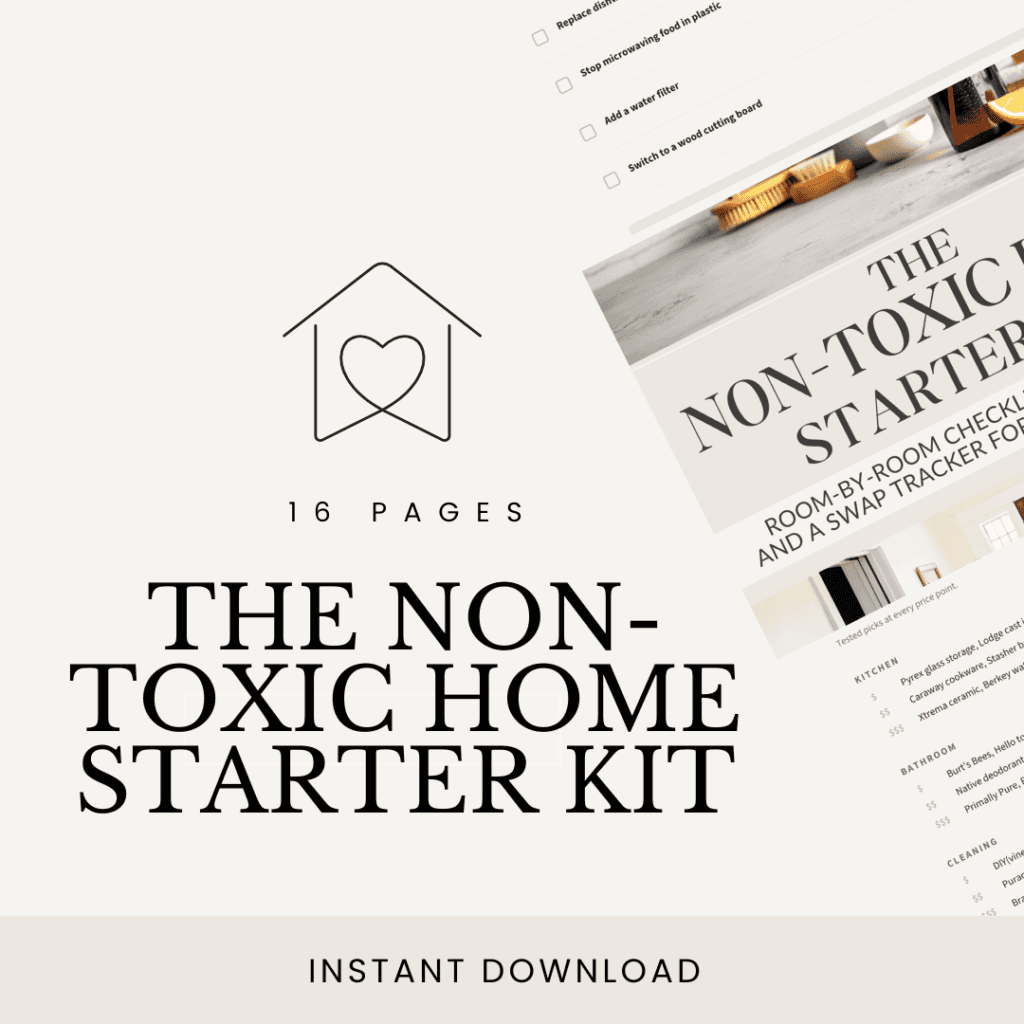
Want the printable version? Grab the Non-Toxic Home Starter Kit with room-by-room checklists and brand picks.
Recommended products
Want the Easy Version?
Get the free 7-Day Non-Toxic Home Kickstart, one simple swap a day, delivered to your inbox.
Your 7-Day Kickstart To A Non-Toxic Home
One swap per day. No overhaul required. Just 7 small changes that make your home a healthier place to live.
No spam. Unsubscribe anytime.