
The Non-Toxic Spring Cleaning Checklist (Room by Room)
Spring cleaning hits different when you realize half the products under your sink have warning labels you’ve never actually read.
Every year, the same routine. Pull everything out. Scrub everything down. Breathe in enough fumes to make your eyes water and call it progress. But here’s the thing. You can deep clean your entire house without a single harsh chemical. No bleach. No ammonia. No mystery “fragrance” that gives you a headache by room three.
This spring cleaning checklist breaks it down room by room. Every task, every surface, every non-toxic swap. Whether you tackle it in a weekend or spread it over a few weeks, the goal is the same: a genuinely clean home that doesn’t make you feel worse than when you started.
Before You Start: Your Non-Toxic Cleaning Kit
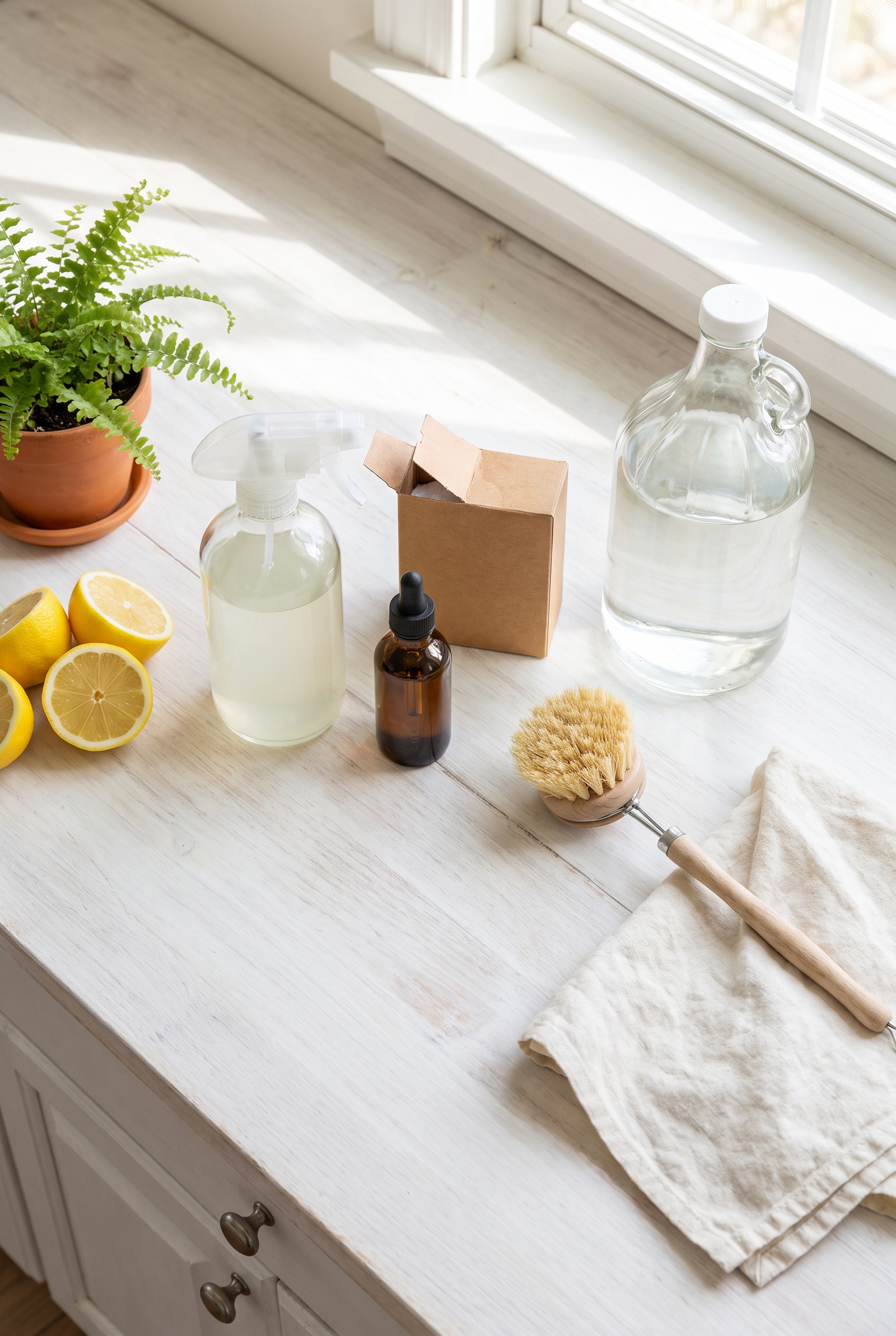
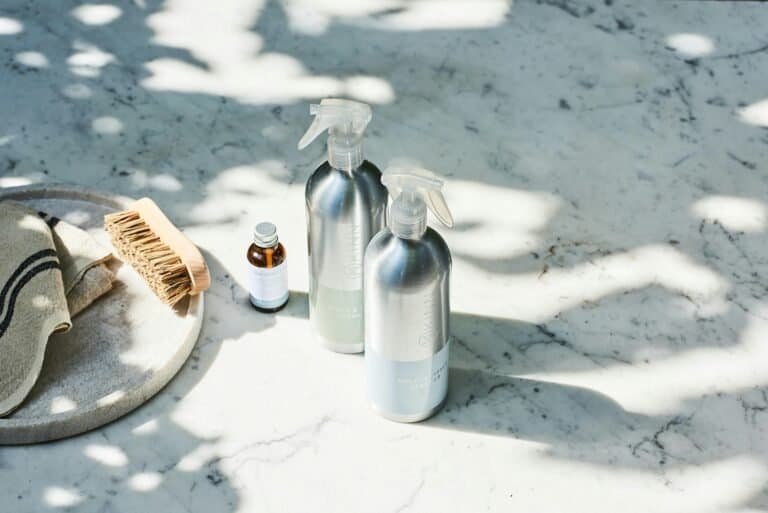
You don’t need 15 different sprays. Five ingredients handle almost everything on this spring cleaning checklist.
White vinegar. Cuts grease, dissolves mineral deposits, kills most bacteria. About $3 a gallon.
Baking soda. Scrubs without scratching. Deodorizes everything. A dollar a box.
Castile soap. Dr. Bronner’s is the go-to. Dilute it for dishes, floors, counters, basically any job.
Hydrogen peroxide (3%). Disinfects, whitens, kills mold. The brown bottle from the drugstore. Never mix with vinegar in the same bottle.
Microfiber cloths. Reusable, washable, and they grab dust and grime better than paper towels ever will.
We have full recipes for every cleaner you’ll need in our DIY non-toxic cleaning products guide. Bookmark that one.
If you want a simple system for swapping out products across your whole house (not just during spring cleaning), the free 7-Day Non-Toxic Home Kickstart breaks it down day by day.

Your 7-Day Kickstart To A Non-Toxic Home
One swap per day. No overhaul required. Just 7 small changes that make your home a healthier place to live.
No spam. Unsubscribe anytime.
Kitchen Spring Cleaning Checklist
As an Amazon Associate, I earn from qualifying purchases. This means if you click an Amazon link and buy something, I may earn a small commission at no extra cost to you.
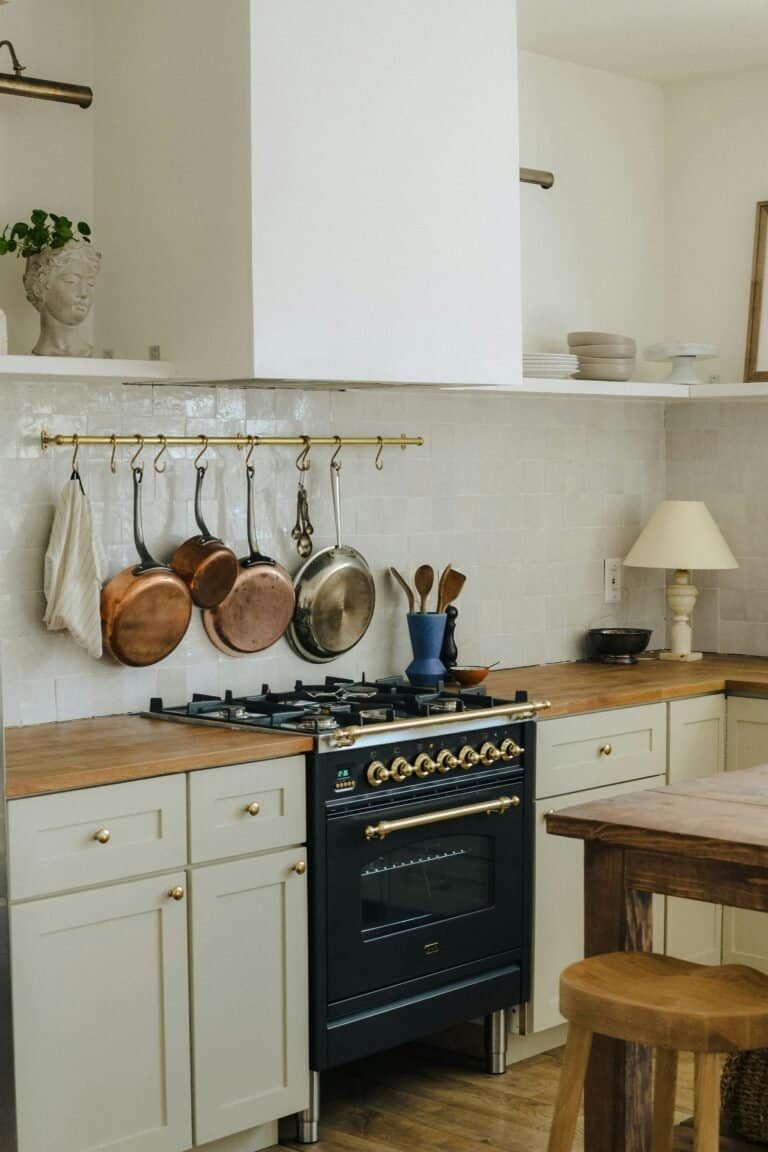
The kitchen takes the most abuse all year. Start here.
Oven. Pull out the racks. Make a paste of baking soda and water, spread it on the interior (skip the heating elements), let it sit overnight. Wipe out with a damp cloth. Spray stubborn spots with vinegar. We have the full method in our oven cleaner DIY guide.
Refrigerator. Empty it shelf by shelf. Wipe everything down with a mix of 2 tablespoons baking soda per quart of warm water. Pull it away from the wall and vacuum the coils. This alone can cut your energy bill.
Microwave. Fill a microwave-safe bowl with water and a few tablespoons of vinegar. Heat for 5 minutes. The steam loosens everything. Wipe clean.
Dishwasher. Run an empty cycle with a cup of vinegar on the top rack. Then sprinkle baking soda on the bottom and run a short hot cycle. Clean the filter and door gasket by hand.
Cabinets and drawers. Empty them out. Wipe shelves with an all-purpose vinegar spray. Toss expired spices and pantry items. Reorganize what’s left.
Stovetop and range hood. Degrease with castile soap spray (1 tablespoon per quart of water). Soak range hood filters in hot water with baking soda for 15 minutes. Scrub gently.
Counters and backsplash. Vinegar spray for laminate, tile, and sealed surfaces. Castile soap spray for natural stone (vinegar will etch granite and marble over time).
Sink and faucet. Sprinkle baking soda, scrub with a damp cloth, rinse. For mineral buildup on the faucet, soak a cloth in vinegar and wrap it around the fixture for 30 minutes.
Bathroom Spring Cleaning Checklist
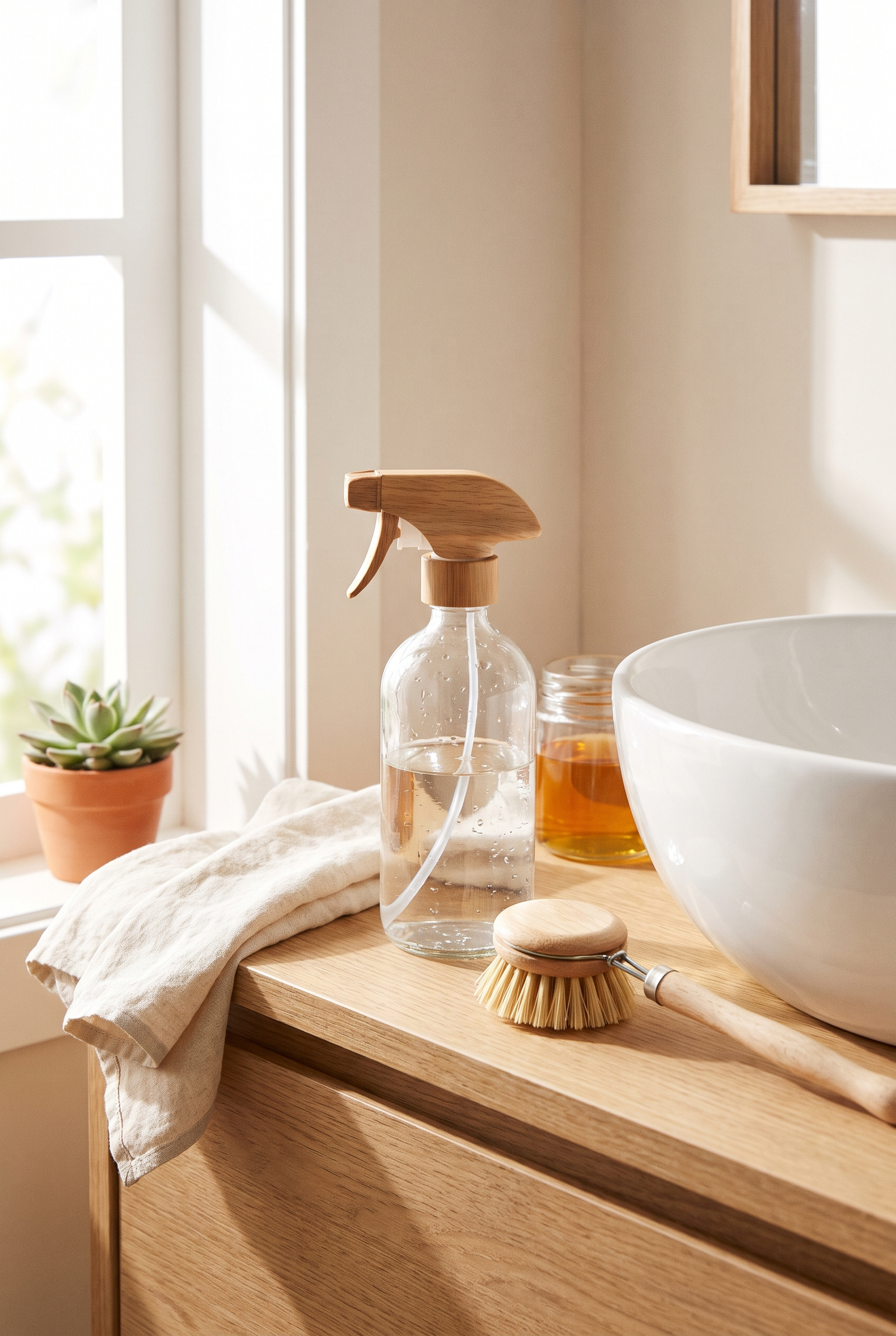
Bathrooms are where harsh chemicals usually show up first. They’re also where they’re least necessary.
Toilet. Sprinkle baking soda in the bowl, pour in a cup of vinegar, let it fizz for 10 minutes, scrub with a toilet brush. For the exterior, wipe with your all-purpose spray.
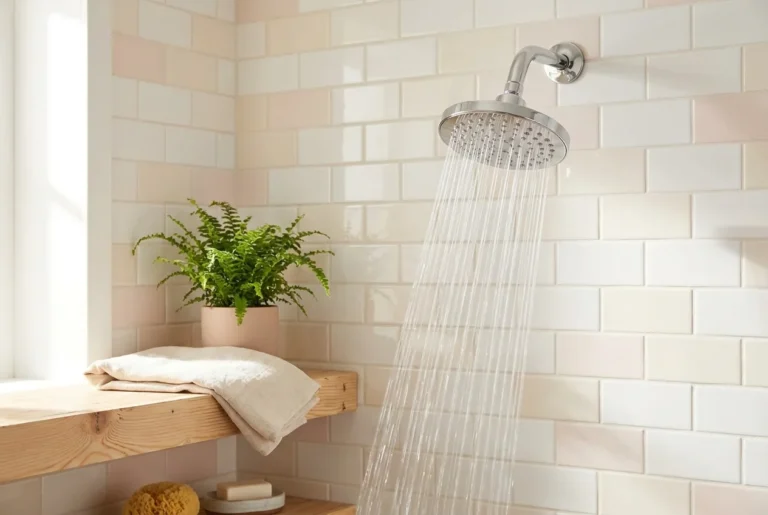
Shower and tub. Make a paste of baking soda and castile soap. Apply with a scrub brush. Rinse. For mold in grout or caulk, spray hydrogen peroxide directly and let it sit for 15 minutes before scrubbing. Our shower cleaner guide has a daily spray that prevents buildup between deep cleans.
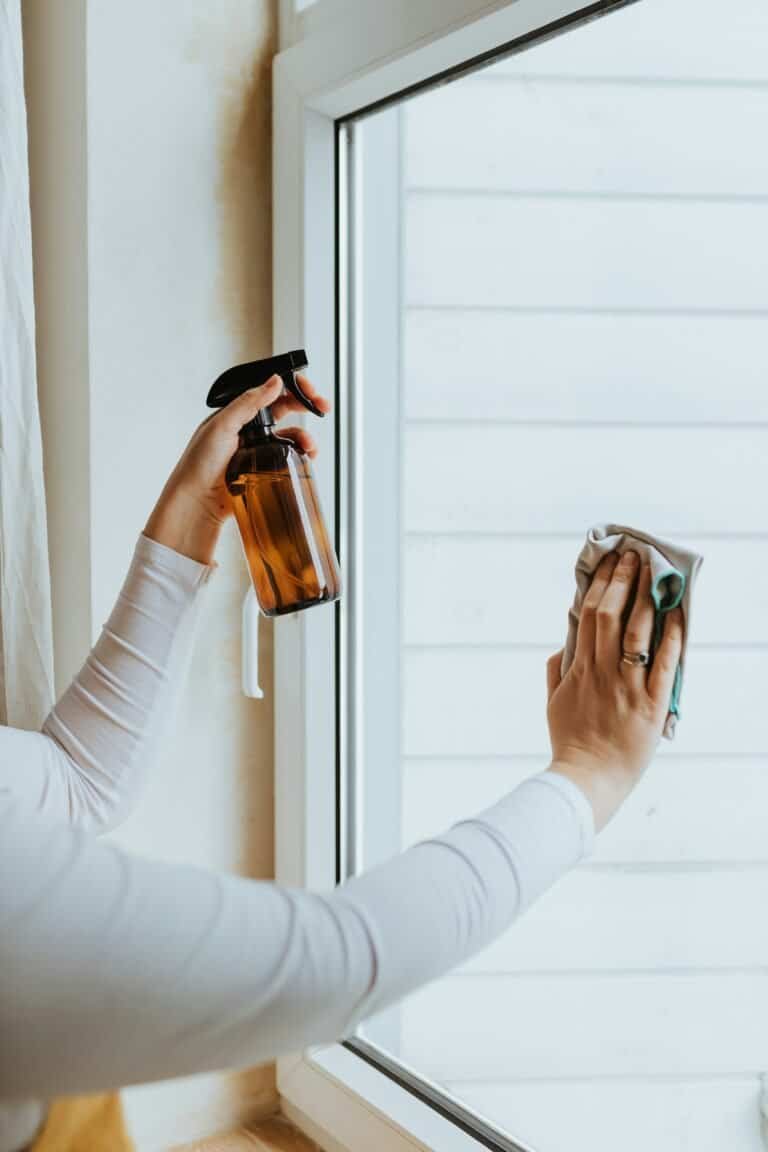
Mirrors and glass. Equal parts water and vinegar plus a tablespoon of cornstarch. The cornstarch prevents streaking. Wipe with a lint-free cloth.
Cabinets and vanity. Same as kitchen. Empty, wipe, purge expired products. Check your beauty products too. Old mascara, expired sunscreen, anything you haven’t touched in six months.
Exhaust fan. Pop the cover off, soak it in warm soapy water, vacuum the fan blades. A dirty exhaust fan just recirculates humidity and dust.
Grout. Make a paste of baking soda and hydrogen peroxide. Apply to grout lines with an old toothbrush. Let it sit 10 minutes. Scrub and rinse.
Bedroom Spring Cleaning Checklist
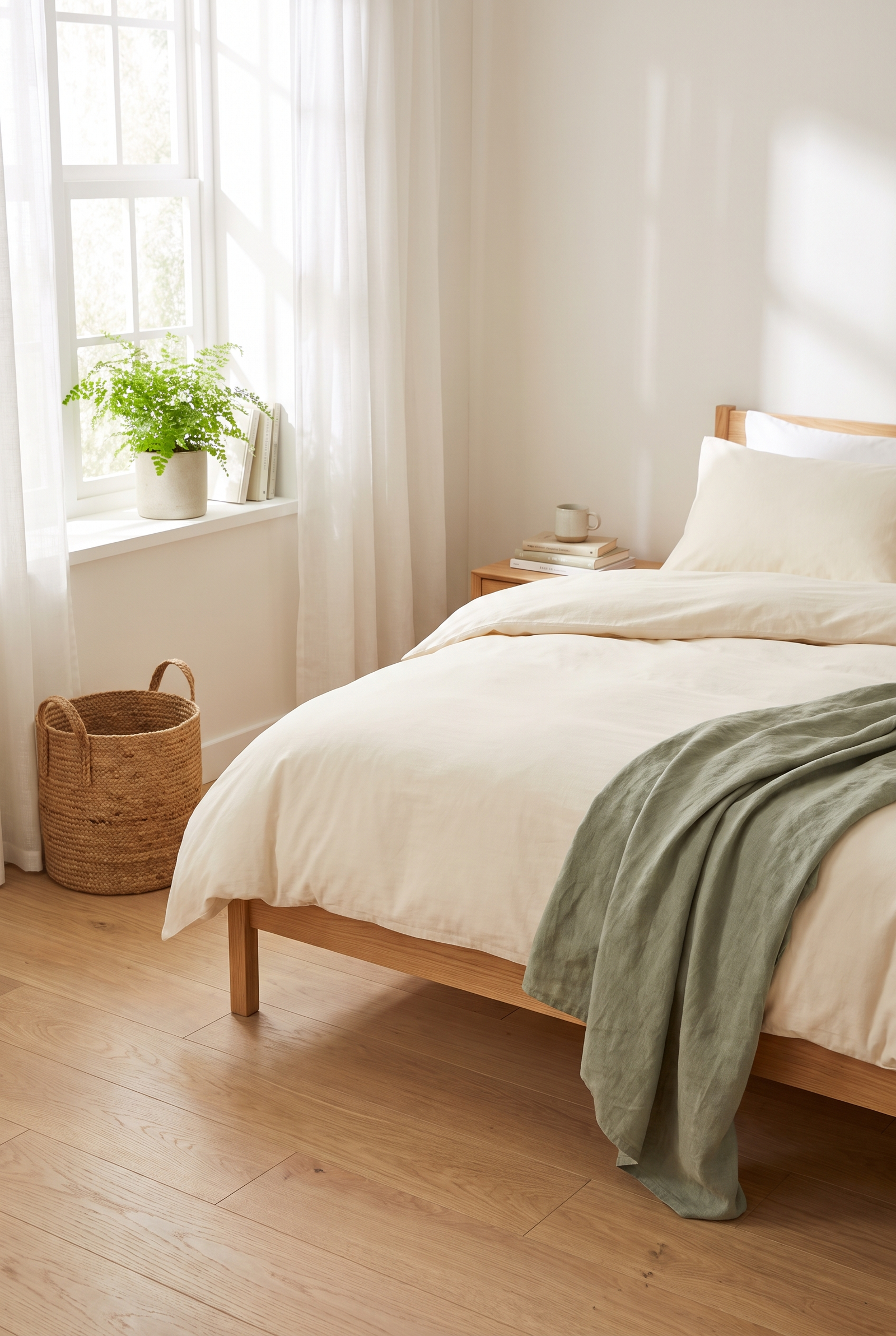
Most people skip the bedroom during spring cleaning. Don’t.
Mattress. Strip all bedding. Sprinkle baking soda over the entire mattress, let it sit for 30 minutes (or longer), then vacuum thoroughly. This pulls out moisture, odors, and dust mites. Flip or rotate the mattress while you’re at it.
Pillows. Most pillows can go in the washing machine on a gentle cycle with a tablespoon of baking soda. Check the care label. Dry completely before putting them back.
Closet. Pull everything out. Wipe shelves. Donate what you didn’t wear all winter. Reorganize by season if that’s your system. Cedar blocks or lavender sachets work as natural moth deterrents (no mothballs needed).
Ceiling fan and light fixtures. Use a damp microfiber cloth to wipe fan blades (an old pillowcase works great for catching the dust). Remove glass light covers and wash them in warm soapy water.
Under the bed. Vacuum. Declutter. This spot collects more dust than anywhere else in the room.
Windows and windowsills. Vinegar and water spray on the glass. Wipe sills with a damp cloth. Open the windows when weather allows. Fresh air is the original air freshener.
Living Room Spring Cleaning Checklist
Upholstery. Sprinkle baking soda on couches and chairs. Let sit 20 minutes. Vacuum with the upholstery attachment. For spot cleaning, mix a small amount of castile soap with water and blot (never rub) stains.
Carpets and rugs. Vacuum thoroughly. For a deeper clean, sprinkle baking soda before vacuuming. It deodorizes without the chemical-laden carpet fresheners. Wash throw rugs if machine-safe.
Baseboards and trim. Wipe with a damp microfiber cloth. For scuff marks, a paste of baking soda and water on a cloth takes them right off.
Air vents and returns. Unscrew vent covers, soak them in warm soapy water, vacuum inside the ducts as far as you can reach. This makes a noticeable difference in air quality.
Electronics. Dust screens, keyboards, TV stands, and speaker grilles. Use a dry microfiber cloth for screens (no spray directly on electronics). Compressed air for keyboards.
Shelves and decor. Remove everything. Dust or wipe each shelf. Clean the items themselves. Put back only what you actually want to keep looking at.
Laundry Room Spring Cleaning Checklist
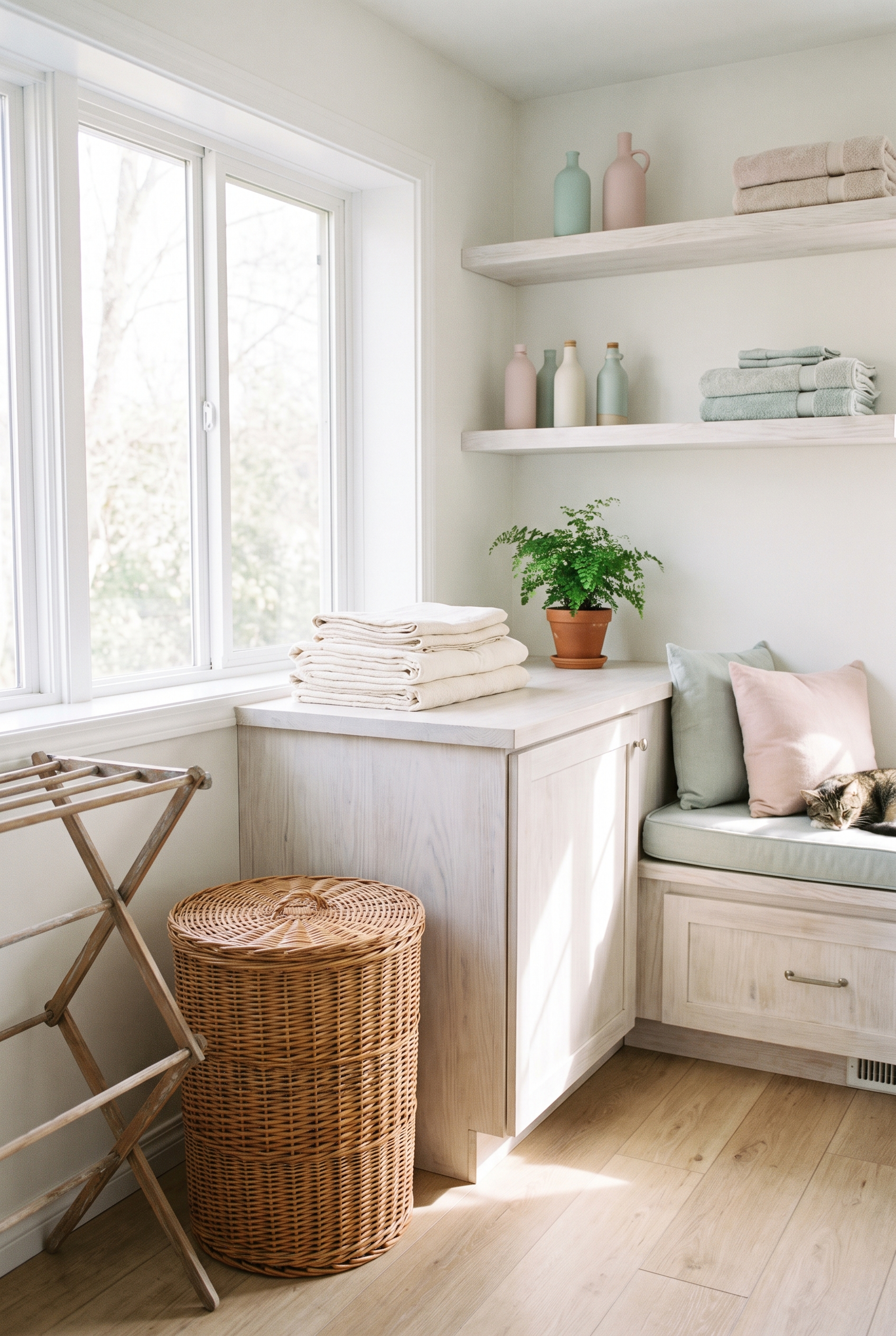
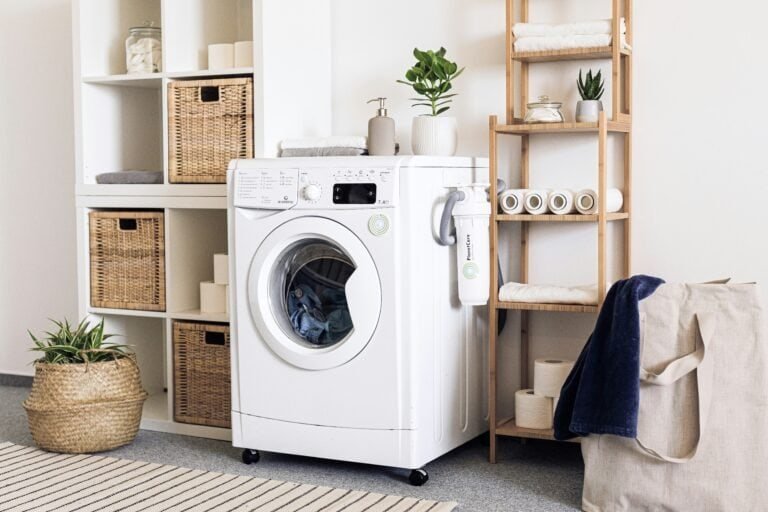
Washing machine. Run an empty hot cycle with two cups of vinegar. Wipe the rubber gasket (front-loaders especially) where mold hides. Leave the door open between loads to prevent mildew.
Dryer. Clean the lint trap (obviously). But also pull the dryer away from the wall and vacuum the vent hose. Lint buildup in the vent is a genuine fire hazard, not an exaggeration.
Sink and counters. If you have a utility sink, scrub it with baking soda. Wipe down any folding surfaces.
Supplies audit. This is a perfect time to swap out conventional products for non-toxic alternatives. Check EWG’s Guide to Healthy Cleaning for ratings on anything you’re not sure about.
Entryway, Hallways, and Extras
Front door and hardware. Wipe the door inside and out. Clean the handle, deadbolt, and doorbell. These are high-touch surfaces that get ignored.
Light switches and door handles throughout the house. A cloth dampened with hydrogen peroxide. Every single one. This takes five minutes and it’s the most overlooked task on any spring cleaning checklist.
Trash cans. Take them outside. Spray with vinegar, scrub with baking soda, rinse with a hose. Deodorize with a sprinkle of baking soda in the bottom before replacing the bag.
Houseplants. Wipe leaves with a damp cloth. Dust on leaves blocks sunlight and slows growth. Check soil, repot anything that’s outgrown its container.
How to Tackle This Without Getting Overwhelmed

No printable needed. Pick your pace and go.
Option 1: The Weekend Blitz. Saturday is kitchen and bathrooms. Sunday is bedrooms, living areas, and laundry room. Two days, done.
Option 2: The Room-a-Day Approach. One room per evening after work. Takes about a week. Less exhausting.
Option 3: The 15-Minute Daily. Pick one task from any room. Set a timer. Do what you can. Repeat daily until the whole list is checked off. This is the one that actually sticks for most people.
Whatever pace you choose, a non-toxic spring cleaning checklist keeps things simpler. Five ingredients cover every task on this list. No trip to the store for specialty products. No reading labels to figure out what you’re breathing in.
Your house gets clean. You don’t feel terrible afterward. That’s the whole point.
Want the Easy Version?
All the non-toxic cleaning recipes, swap guides, and checklists in one place. Drop your email and we’ll send you the 7-Day Non-Toxic Home Kickstart.
Your 7-Day Kickstart To A Non-Toxic Home
One swap per day. No overhaul required. Just 7 small changes that make your home a healthier place to live.
No spam. Unsubscribe anytime.