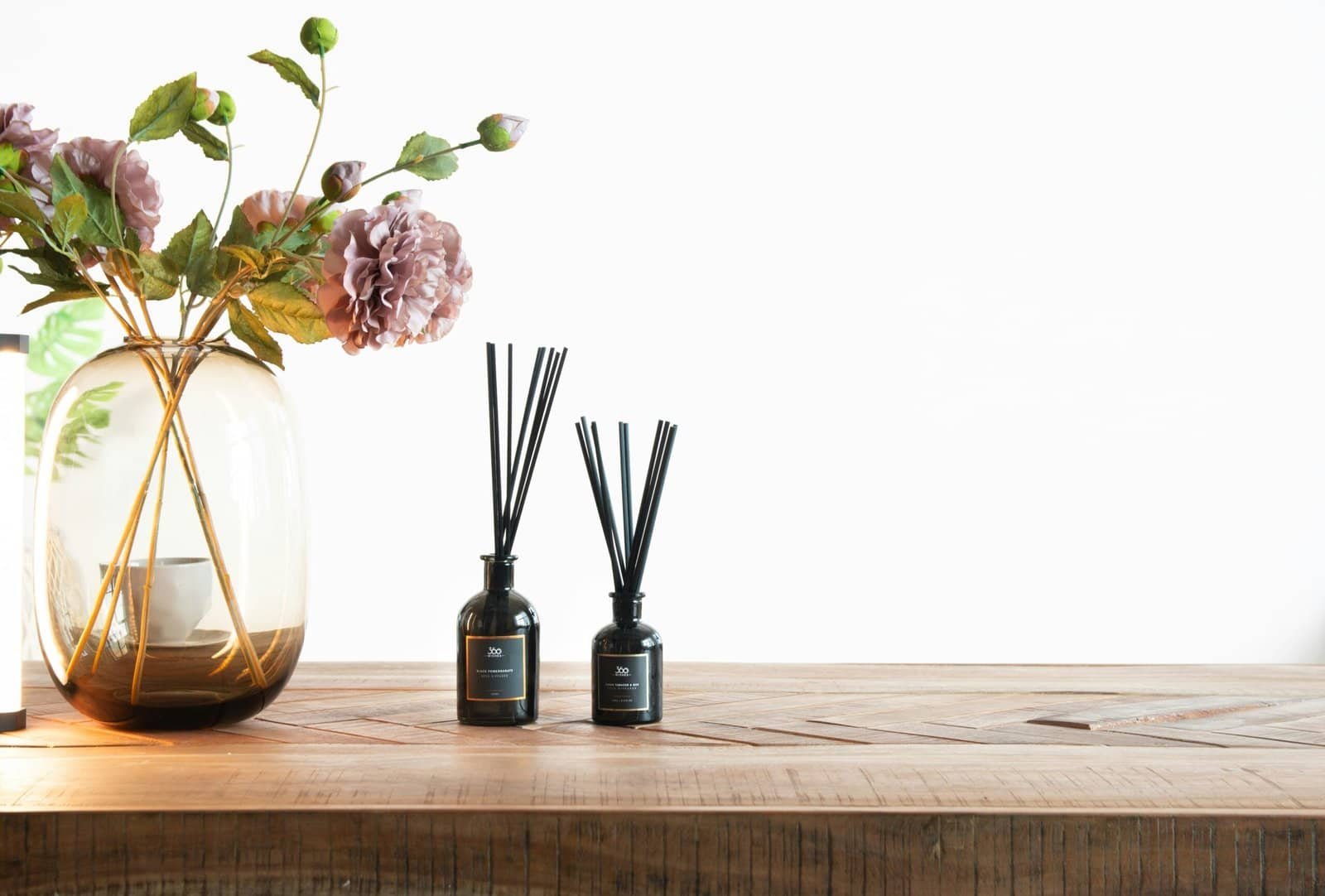
Natural Home Fragrance: How to Make Your Home Smell Amazing Without Toxins
Your home can smell incredible without a single synthetic chemical.
No plug-ins. No aerosol sprays. No wax melts with ingredient lists longer than a CVS receipt. Just real ingredients that actually smell like what they claim to be, because they are what they claim to be.
The commercial air freshener industry is built on a strange premise: that your home needs to smell like “Ocean Breeze” or “Fresh Linen” (neither of which actually smells like the ocean or linen). They use synthetic fragrance compounds to create approximations of these scents, and those compounds release VOCs, phthalates, and other chemicals into your air every time you plug one in.
Natural home fragrance works differently. Instead of imitating a scent with chemicals, you use the actual thing. Real citrus. Real herbs. Real spices. Real essential oils. The scents are warmer, more complex, and they fill your home without filling your lungs with things you didn’t sign up for.

Why Commercial Air Fresheners Are the First Thing to Go
We covered this in our indoor air quality guide, but the quick version: plug-in air fresheners and aerosol sprays are among the worst offenders for indoor air pollution.
A 2016 study published in Science of the Total Environment found that conventional air fresheners emitted more than 100 different VOCs, including several classified as toxic or hazardous. And these products run 24/7 in millions of homes. The exposure is constant.
The irony is that most people use them to make their home smell “clean.” But clean air has no smell. What you’re actually doing is masking odors with chemicals, which makes your air quality worse, not better.
Natural home fragrance options address the root (open windows, deal with odor sources) while adding genuinely pleasant scents from real ingredients.
Simmer Pots (The Best Natural Home Fragrance)
As an Amazon Associate, I earn from qualifying purchases. This means if you click an Amazon link and buy something, I may earn a small commission at no extra cost to you.
Simmer pots are the most effective natural home fragrance method. They fill your entire home with scent, they cost almost nothing, and they use ingredients you probably already have.
How it works: Add water and aromatic ingredients to a small pot. Bring to a low simmer on the stove. The steam carries the scent through your home. Keep the heat on the lowest possible setting and add water as it evaporates.
How long: A simmer pot can run for 4-8 hours. You can refrigerate the ingredients and reuse them for 2-3 days before replacing.
8 Simmer Pot Recipes by Season
Spring:
- Lemon slices + fresh rosemary + vanilla extract
- Fresh mint + cucumber slices + lime
Summer:
- Orange slices + coconut extract + ginger
- Fresh basil + lemon + lavender
Fall:
- Apple slices + cinnamon sticks + whole cloves + nutmeg
- Cranberries + orange slices + cinnamon sticks + star anise
Winter:
- Pine sprigs + orange peel + cinnamon sticks + whole cloves
- Vanilla extract + cardamom pods + ginger + cinnamon
The “sells your house” recipe: 2 cinnamon sticks, 1 sliced orange, 1 tablespoon vanilla extract, 3 whole cloves. Real estate agents have been using this trick for decades. It smells like someone’s been baking all day.
Simmer Pot Tips
- Use the smallest burner on the lowest setting
- Check water levels every hour and add more as needed
- Fresh ingredients work best, but dried spices and extracts work fine
- Cost per pot: $1-$3 using pantry staples
Essential Oil Diffusers
If you want hands-free natural home fragrance that runs for hours without monitoring, a diffuser is the answer.
How they work: Ultrasonic diffusers use water and vibration to create a fine mist of essential oil particles. No heat, which preserves the therapeutic properties of the oils. Most cover a single room effectively.
Best essential oils for home fragrance:
- Energizing: Lemon, peppermint, eucalyptus, grapefruit
- Calming: Lavender, chamomile, cedarwood, frankincense
- Cozy: Cinnamon, clove, orange, vanilla
- Fresh: Tea tree, pine, spearmint, rosemary
Blends we love:
- Morning: 3 drops lemon + 2 drops peppermint + 1 drop rosemary
- Evening: 3 drops lavender + 2 drops cedarwood + 1 drop frankincense
- Guests coming: 3 drops orange + 2 drops cinnamon + 1 drop clove
- After cooking: 3 drops lemon + 2 drops tea tree + 1 drop eucalyptus
What to spend: A basic ultrasonic diffuser costs $15-$30. Essential oils range from $5-$15 per bottle, and a few drops per use means one bottle lasts months. Total startup cost is around $30-$50 for a diffuser and 3-4 oils.
What to avoid: Don’t buy “fragrance oils” thinking they’re essential oils. Fragrance oils are synthetic. Essential oils are plant-derived. Check the label. It should say the Latin name of the plant (lavandula angustifolia for lavender, for example).
Room Sprays (DIY)
A simple room spray takes 2 minutes to make and lasts for weeks.
Base recipe:
- Small spray bottle (4-8 oz)
- Distilled water (fills most of the bottle)
- 1 tablespoon witch hazel or vodka (helps oil and water mix)
- 15-20 drops essential oil
Shake before each use. Spray into the air (not onto furniture or fabric, as some oils can stain). One bottle lasts 2-4 weeks depending on use.
Best blends:
- Bathroom: Tea tree + eucalyptus + lemon
- Bedroom: Lavender + vanilla + cedarwood
- Kitchen (post-cooking): Lemon + rosemary + peppermint
- Living room: Orange + cinnamon + clove
Cost per bottle: About $1-$2 if you already have the essential oils.
Fragrance Is One Piece of Indoor Air Quality
Swapping your air fresheners is a great start. But your cleaning products, cookware, and personal care items all affect what you breathe too. The 7-Day Non-Toxic Kickstart covers one swap a day.
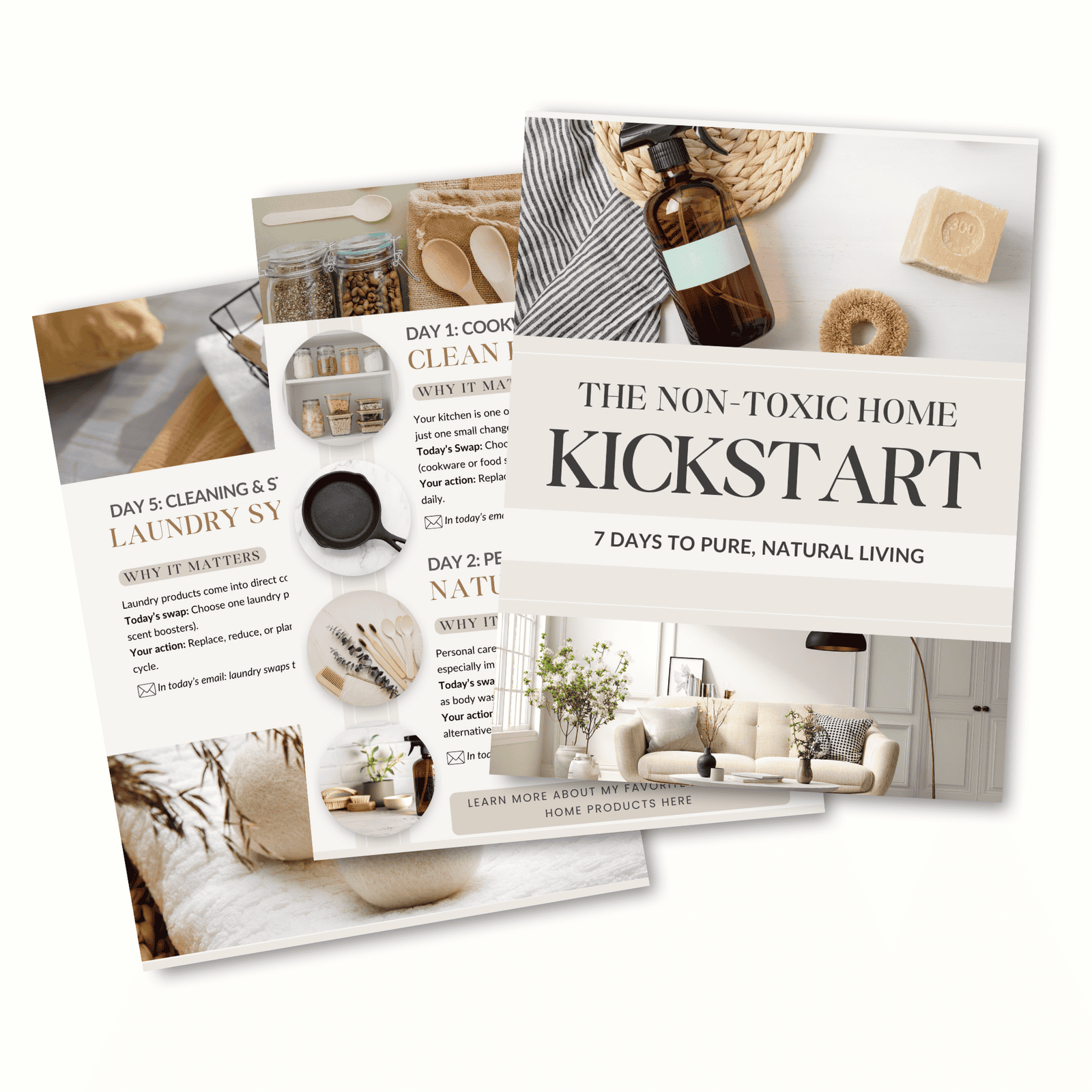
Your 7-Day Kickstart To A Non-Toxic Home
One swap per day. No overhaul required. Just 7 small changes that make your home a healthier place to live.
No spam. Unsubscribe anytime.
Beeswax and Non-Toxic Candles
Candles are still one of the best natural home fragrance options when you choose the right ones. We wrote a full guide on non toxic candles with 7 clean brands and a DIY recipe.
The short version: look for 100% soy, coconut, or beeswax candles with cotton or wood wicks, scented with essential oils or phthalate-free fragrance oils. Avoid paraffin (petroleum-based), metal-core wicks, and synthetic fragrance.
Pure beeswax candles have a naturally warm, honey-like scent that doesn’t need any added fragrance. They also release negative ions that can help reduce airborne pollutants. Light one in the evening and the scent is subtle, warm, and genuinely calming.
Dried Herb Bundles
Simple, beautiful, and surprisingly effective.
What to use: Dried lavender, eucalyptus, rosemary, sage, or thyme bundles. Hang them in closets, bathrooms, or near doorways. The scent releases slowly over weeks.
Fresh eucalyptus in the shower: Tie a bundle of fresh eucalyptus to your shower head. The steam releases eucalyptus oil into the air, turning your shower into a spa. Replace every 2-3 weeks. Available at most grocery stores with a floral section (Trader Joe’s is known for affordable eucalyptus bundles).
Sachets for drawers and closets: Fill small fabric bags with dried lavender, cedar chips, or a mix of dried herbs. Tuck into dresser drawers, linen closets, or shoe racks. Replaces synthetic dryer sheets and moth balls. Lasts 3-6 months before needing a refresh (squeeze to revive the scent).
Baking Soda Odor Absorbers
Sometimes the best natural home fragrance strategy is removing the bad smells rather than adding good ones.
Open box in the fridge: Classic for a reason. Baking soda absorbs odors. Replace monthly.
Trash can deodorizer: Sprinkle baking soda in the bottom of the trash can before adding a new bag. Add a few drops of lemon or tea tree essential oil.
Carpet and rug refresh: Sprinkle baking soda over carpets and rugs. Let it sit for 15-30 minutes. Vacuum up. The baking soda absorbs trapped odors. Add 10-15 drops of essential oil to the baking soda before sprinkling for a scented refresh.
Shoe deodorizer: Fill old socks with baking soda and a few drops of tea tree oil. Tie them off and tuck inside shoes overnight.
The Room-by-Room Guide
Entryway: Simmer pot on busy days, eucalyptus bundle year-round. First impression matters.
Kitchen: Simmer pot while cooking or after (masks cooking odors with real scent instead of chemicals). Baking soda in the trash can. Lemon room spray post-fish-night.
Living room: Diffuser or non-toxic candles. This is where you’ll want the most consistent ambient scent.
Bathroom: Eucalyptus shower bundle, lavender sachet in the linen closet, tea tree room spray. Exhaust fan for actual odor removal.
Bedroom: Lavender diffuser or pillow spray (a few spritzes of the lavender room spray on your pillowcase). Keep it subtle. You don’t want strong scents while sleeping.
Closets: Cedar blocks or lavender sachets. Both repel moths naturally while keeping clothes smelling fresh.
The Bottom Line
Natural home fragrance costs less than commercial air fresheners, smells better (because it’s real), and doesn’t compromise your indoor air quality. A $3 simmer pot fills your entire home for a day. A $30 diffuser setup runs for months. A bundle of eucalyptus from the grocery store turns every shower into an experience.
Your home doesn’t need synthetic chemicals to smell inviting. It just needs real ingredients and 5 minutes of effort.
For the complete guide to removing synthetic products from your home (not just fragrance), check out our 25 non toxic swaps for every room.
Save This For Later
Want the Easy Version?
Get the free 7-Day Non-Toxic Home Kickstart, one simple swap a day, delivered to your inbox.
Your 7-Day Kickstart To A Non-Toxic Home
One swap per day. No overhaul required. Just 7 small changes that make your home a healthier place to live.
No spam. Unsubscribe anytime.