7 Non Toxic Cookware & Kitchen Swaps That Are Actually Worth It
We need to talk about your kitchen. Specifically, the non toxic cookware situation (or lack of one).
Not the dishes in the sink (no judgment) or the expired spices in the back of the cabinet. We mean the stuff you cook with, store food in, and clean your counters with every day. Because a lot of it? Quietly introducing chemicals into your meals.
Before you panic and start tossing everything into a garbage bag, take a breath. Most non toxic kitchen swaps are cheap, easy, and don’t require a full kitchen renovation. Some of the best ones are completely free.
Here’s what’s actually worth changing, what can wait, and where your money goes the furthest.
Your Cookware Might Be the Biggest Problem
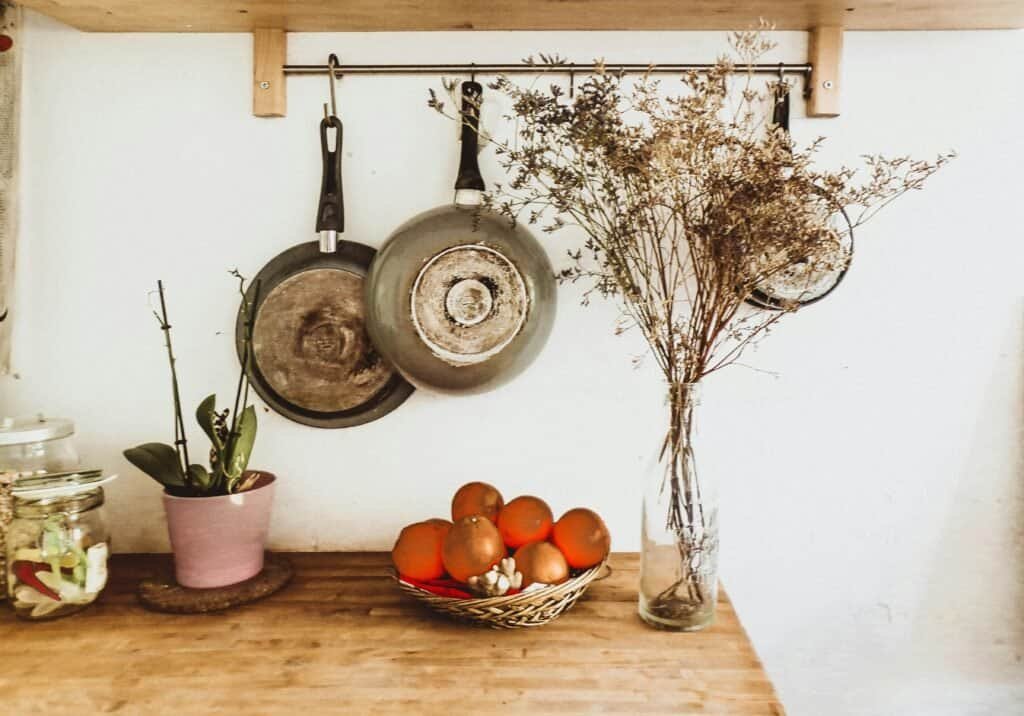
We’ll get right to it. If you have scratched-up non-stick pans sitting in your cabinet right now, those are your number one swap.
Traditional non-stick cookware uses a coating called PTFE (you probably know it as Teflon). At high temperatures, it breaks down and releases fumes. At normal temperatures, scratched or worn coatings can flake tiny pieces directly into your food.
But the real concern is PFAS. These are the chemicals used in many non-stick coatings, and scientists call them “forever chemicals” because your body literally cannot break them down. They just… accumulate. Over years and decades. Hormone disruption, thyroid problems, immune system issues. The research keeps piling up.
Alright, so what non toxic cookware do you actually use instead?
The Non Toxic Cookware Options We Actually Recommend
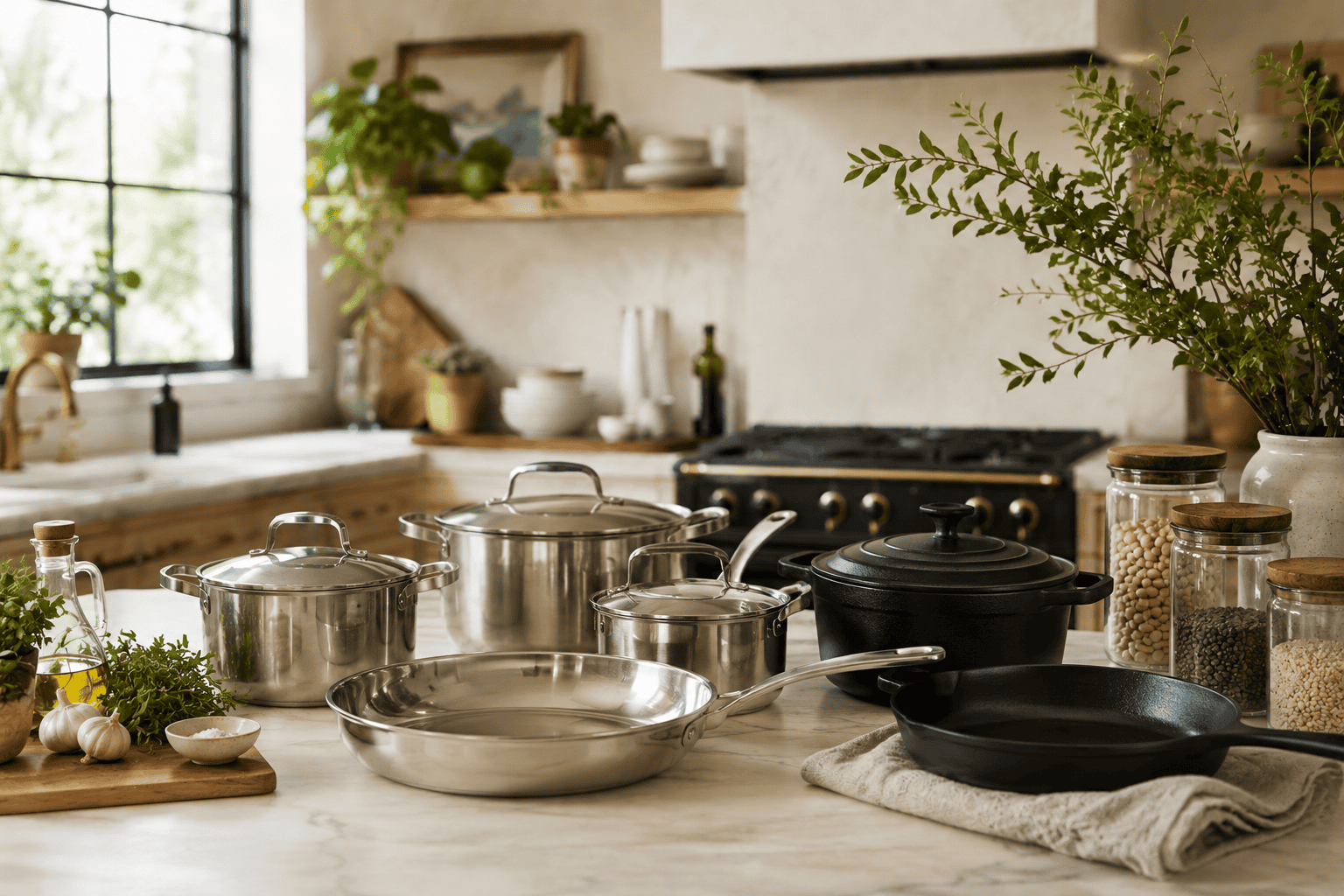
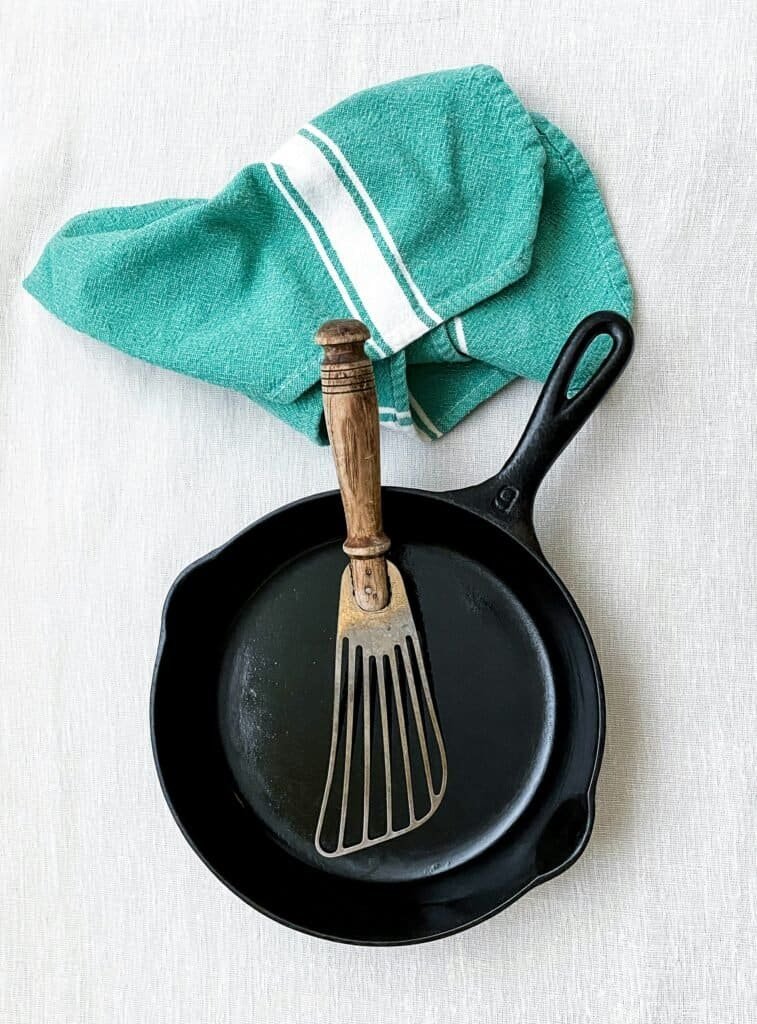
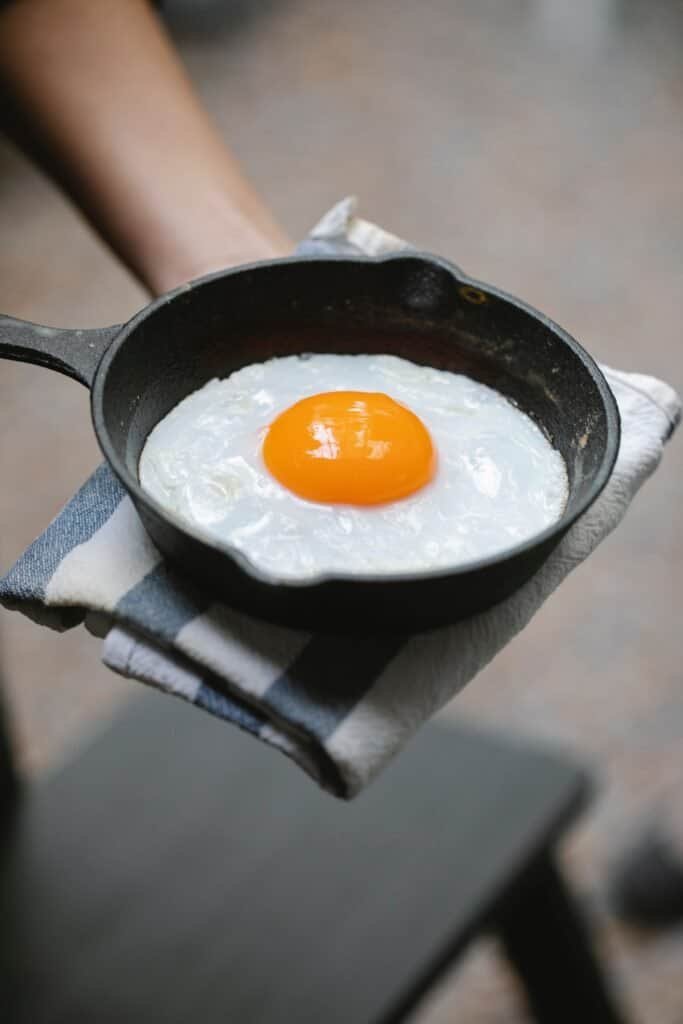
Cast iron. Honestly, this one’s almost too easy. A Lodge 12-inch skillet costs around $30, lasts roughly forever, and becomes naturally non-stick once it’s seasoned. It also adds a tiny bit of iron to your food, which is a nice bonus. The downside? It’s heavy. And you need to dry it right after washing. Small trade-off.
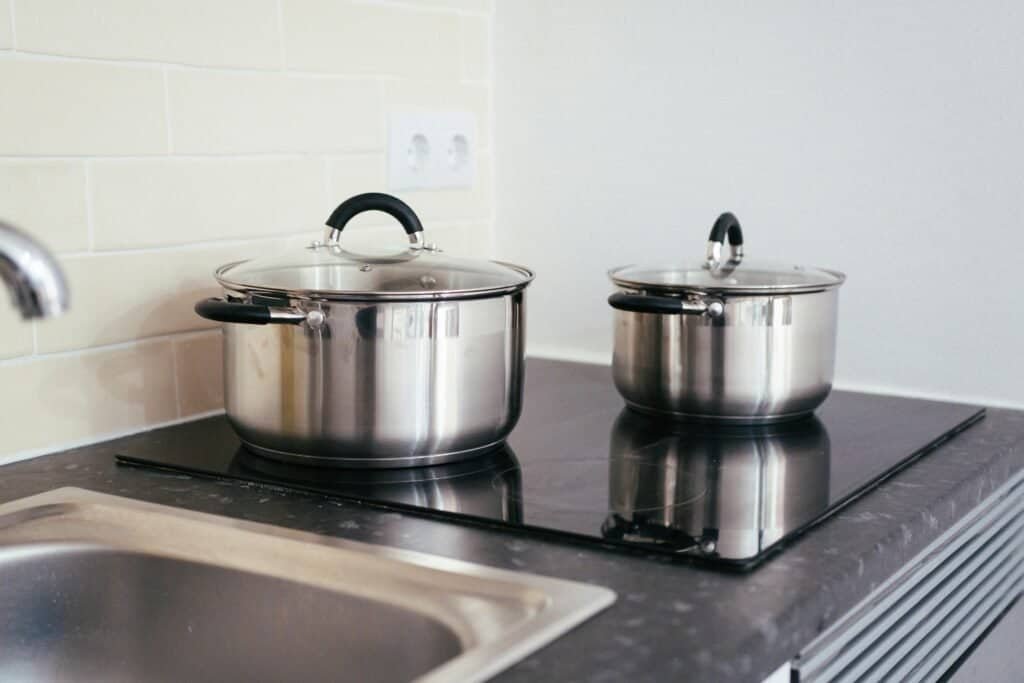
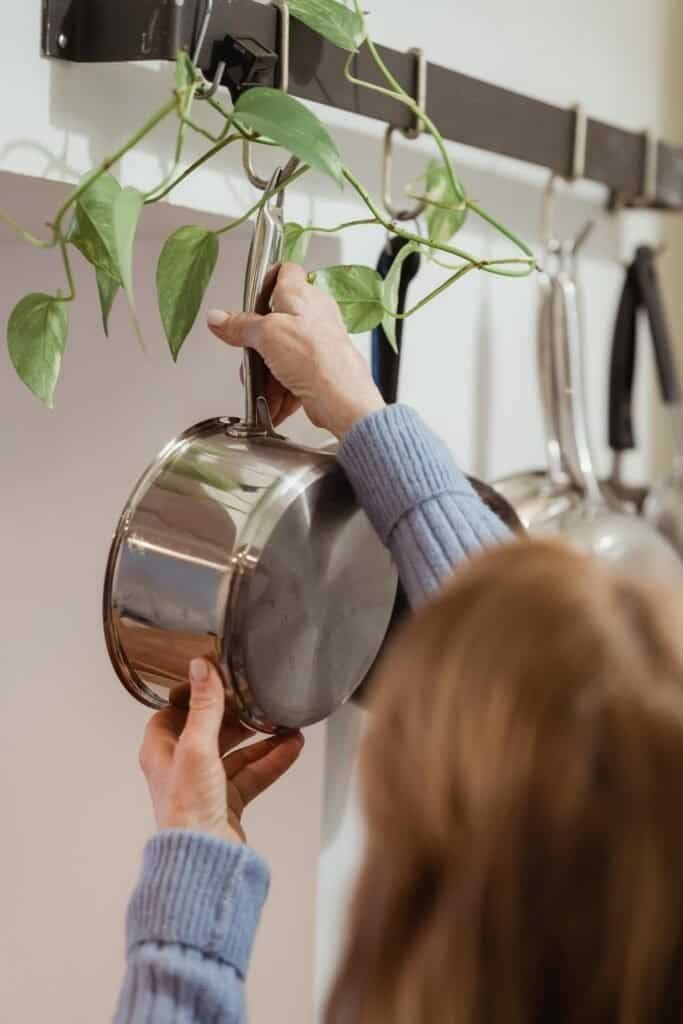
Stainless steel. Perfect for anything with liquid (soups, sauces, boiling pasta). It won’t react with acidic foods like tomato sauce the way some other materials can. All-Clad is the fancy option. Tramontina does the same job for way less money. Look for “18/10 stainless steel” on the packaging. That tells you it’s the good stuff.
Ceramic-coated. Miss that non-stick feeling? Fair enough. Ceramic-coated pans from Caraway or Our Place (their Always Pan went viral for a reason) give you that easy-release experience without PTFE or PFAS. They won’t last as long, though. Expect 2-3 good years if you avoid metal utensils and high heat. Not forever. But not bad.
100% pure ceramic. Xtrema makes pans that are solid ceramic through and through. No coating that can wear off because the whole thing IS the material. They handle extreme heat, contain zero metals or chemicals, and they’re what we’d pick if budget weren’t a factor. They are heavy. And pricey. But nothing safer exists.
The realistic move: You don’t need a full set of non toxic cookware right away. Grab one cast iron skillet and one stainless steel saucepan. Those two pieces handle about 80% of everyday cooking. Replace the rest gradually as things wear out. Nobody needs to spend $400 on new cookware this weekend.
Plastic Food Storage: Yeah, It’s a Problem
As an Amazon Associate, I earn from qualifying purchases. This means if you click an Amazon link and buy something, I may earn a small commission at no extra cost to you.
You probably already suspected this one.
Plastic containers can leach chemicals into your food. Heat speeds it up. Acidity speeds it up. So that leftover spaghetti sitting in a plastic container in the microwave? Not great.
And “BPA-free” doesn’t solve it. Most companies just swapped BPA for BPS or BPF. Studies suggest these alternatives behave almost identically in your body. It’s a marketing fix, not a safety fix.
What Actually Works
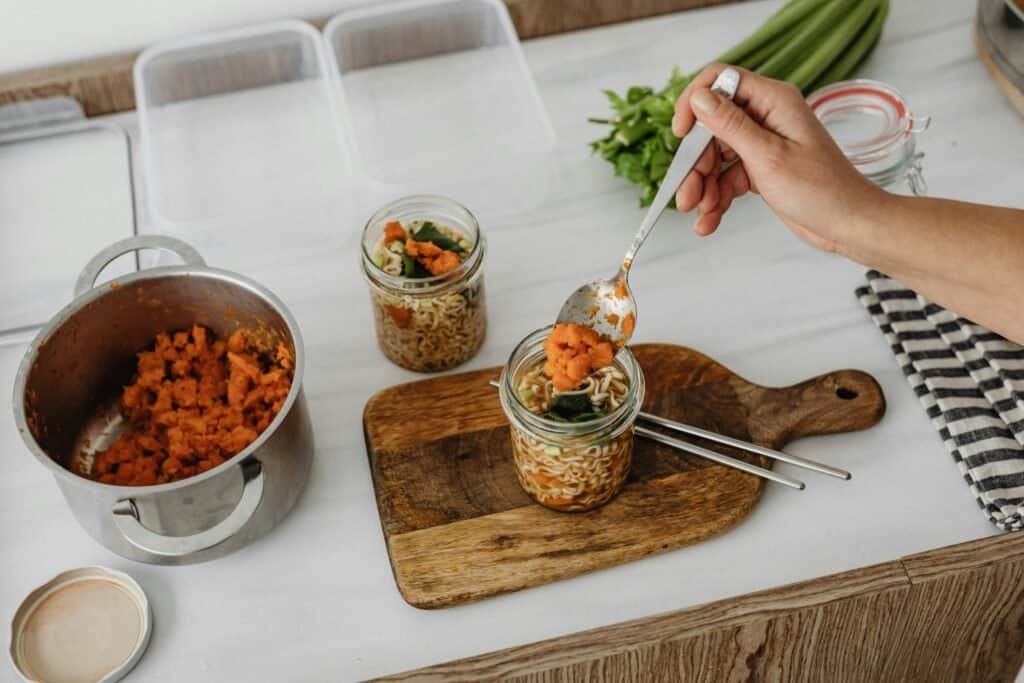
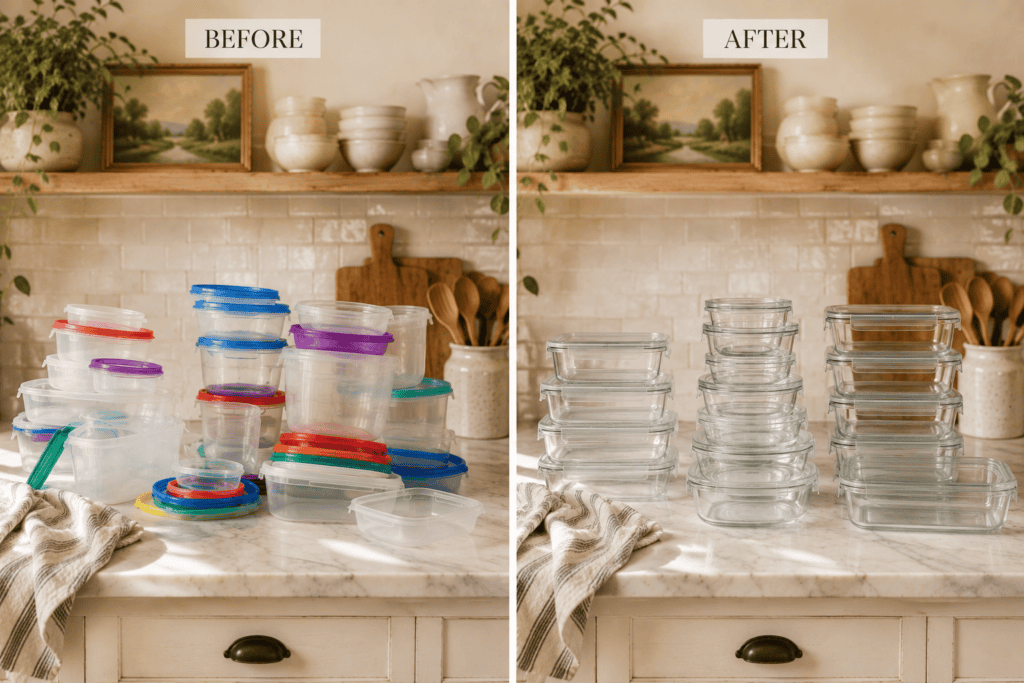
Glass containers. Pyrex. Anchor Hocking. Boring? Maybe. But they don’t stain, don’t absorb last week’s curry smell, and go from fridge to microwave to dishwasher without any chemical concerns. A 10-piece set runs about the same as a decent set of plastic ones.
Stainless steel. LunchBots and PlanetBox make great lunch containers for kids (and adults who are tired of soggy sandwiches). Can’t microwave them, but they’re basically indestructible. We’ve seen LunchBots survive years of being thrown into backpacks.
Silicone bags. Stasher bags replaced our sandwich bags, snack bags, and freezer bags all in one go. They’re made from food-grade platinum silicone, they’re reusable, and they save money over time. They look a little weird at first. You get used to it.
Beeswax wraps. For covering bowls and wrapping up half an avocado, Bee’s Wrap replaces plastic cling wrap. They last about a year, then you compost them. Kind of satisfying, actually.
The realistic move: Stop buying new plastic containers. When the ones you have crack, stain, or warp (they will), replace them with glass. In a few months you’ll have transitioned without dropping a pile of money all at once.
Kitchen Cleaning Products: Three Quick Wins
The stuff you use to clean surfaces where food is prepared matters more than you’d think. Residue stays behind. Your family ingests tiny amounts of it with every meal.
Three products. That’s all you need to address.
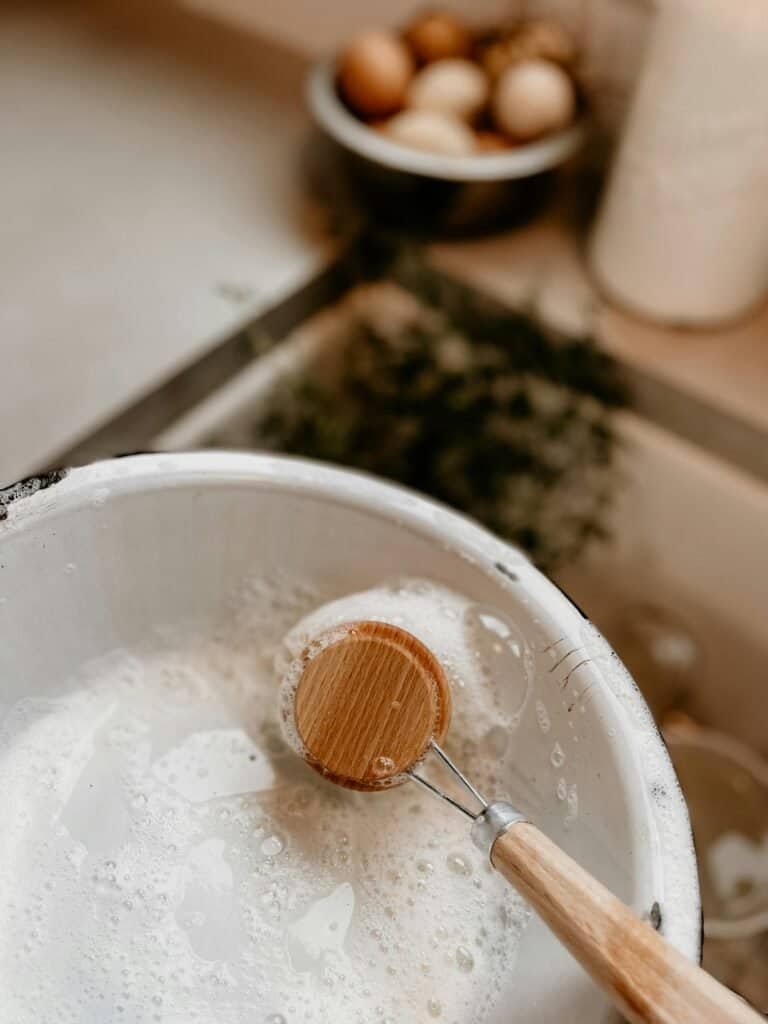
Dish Soap
Most conventional options contain synthetic fragrance, dyes, and surfactants that leave a film on your dishes. You can’t see it. Your family eats off it anyway.
Swap to something plant-based and fragrance-free. Branch Basics concentrate doubles as dish soap. Dr. Bronner’s unscented castile soap works too. Puracy makes a good dedicated dish soap. Fair warning: plant-based soap doesn’t suds up much. That means nothing. Suds are cosmetic, not functional. (Want to skip the store entirely? Here are 8 non-toxic cleaning products you can make for under $5.)
Counter Spray
Here’s the free swap. Mix equal parts white vinegar and water in a spray bottle. Done. It cleans most surfaces just fine. Add a few drops of tea tree oil if you want antibacterial properties.
One exception: skip vinegar on natural stone countertops (granite, marble, quartzite). The acidity etches the surface over time. For stone, use a drop of castile soap in water instead.
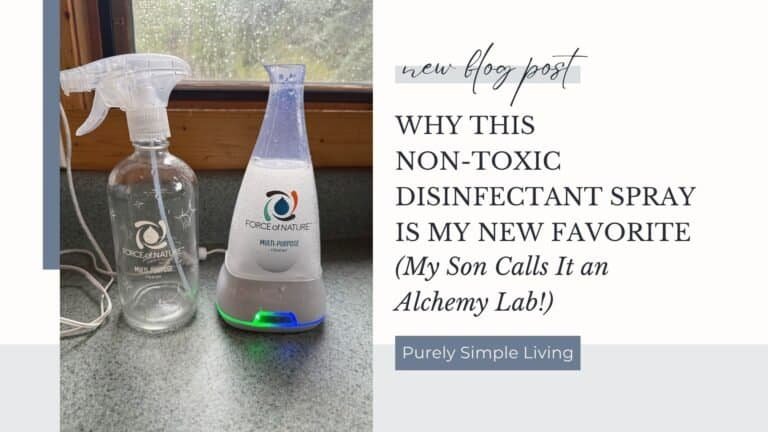
Want something premade? Force of Nature uses an electrochemical process to turn salt, water, and vinegar into a cleaner that kills 99.9% of germs. No chemicals. Sounds like an infomercial, but the science actually checks out.
Grab a Starter Bundle here and use code BUNDLESAVINGS for 40% off plus free shipping.
Dishwasher Detergent
Non toxic dishwasher detergent is one of the easiest swaps because you don’t even notice the difference. Dropps pods, Blueland tablets, or Seventh Generation Free & Clear all get dishes clean without phosphates, chlorine bleach, or synthetic fragrance.
Honestly, we tried a few brands before landing on ones that didn’t leave a cloudy film on glasses. It took some experimenting. That’s normal.
The Kitchen Is Just One Room
Your cookware, food storage, and cleaning products are getting cleaner. But every other room in your home has its own set of swaps. The 7-Day Non-Toxic Kickstart covers one a day, delivered to your inbox.
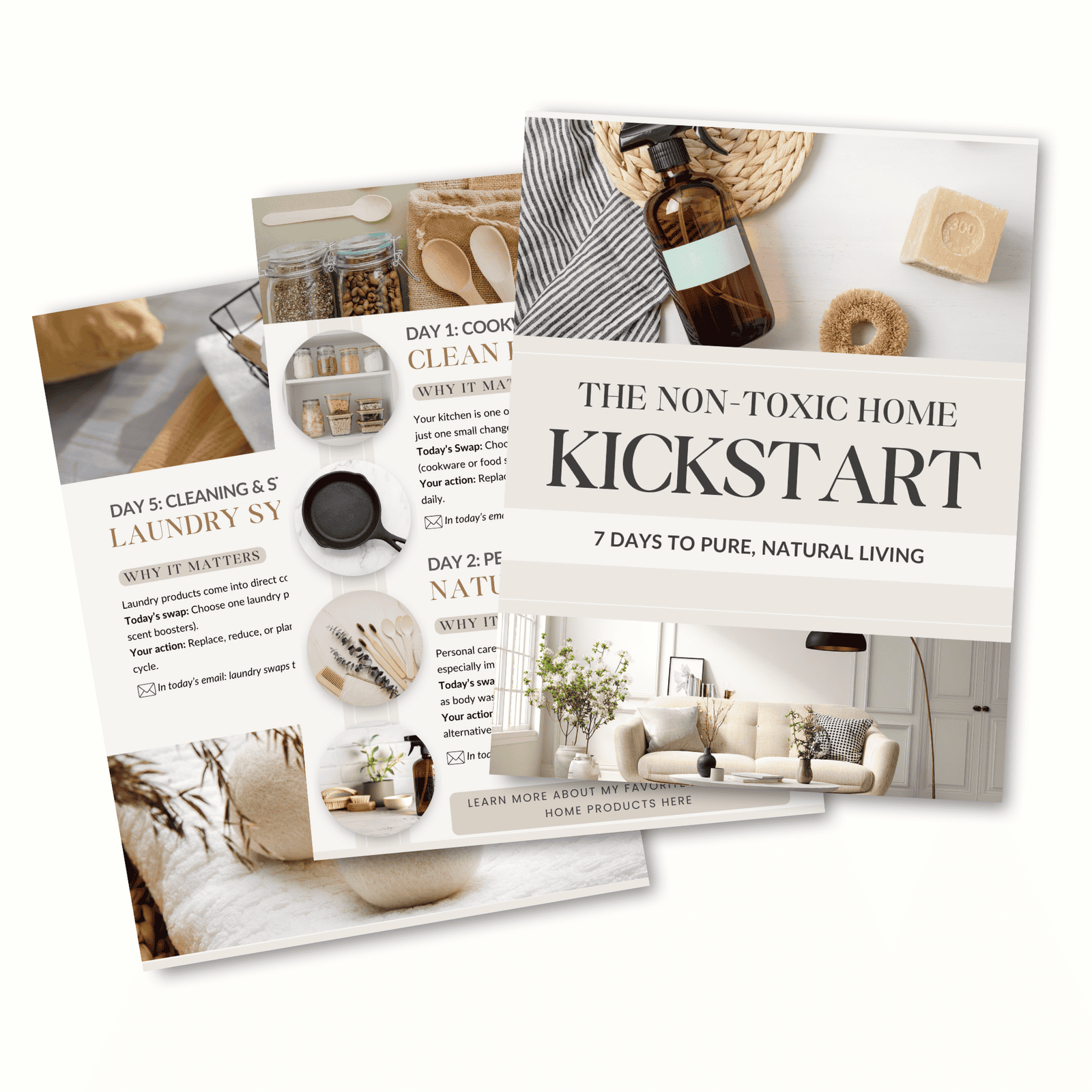
Your 7-Day Kickstart To A Non-Toxic Home
One swap per day. No overhaul required. Just 7 small changes that make your home a healthier place to live.
No spam. Unsubscribe anytime.
Free Swaps You Can Do Right Now
Not everything costs money. These changes take seconds:
Stop microwaving in plastic. Just transfer food to a glass or ceramic dish first. Ten-second habit change, big difference over time.
Open a window when you cook. Especially if you have a gas stove. Nitrogen dioxide builds up fast. Even cracking a window helps.
Ditch the plug-in air freshener. Those synthetic fragrance plug-ins add volatile organic compounds (VOCs) to the room where you eat. If you want your kitchen to smell good, simmer water with lemon slices and a sprig of rosemary on the stove. Way better anyway.
Switch to a wood cutting board. Plastic cutting boards shed microplastics into your food prep over time. Maple or walnut cutting boards are naturally antibacterial and last years. John Boos makes the professional-grade ones if you want something that’ll be around when your kids are cooking on it.
Filter your water. A basic Brita pitcher handles chlorine and some contaminants. For serious filtration, Berkey or AquaTru systems remove a much wider range of stuff. Either way, filtering the water you cook with and drink is one of the highest-impact things you can do.
Start Here (Seriously, Just Pick One)
If your eyes glazed over a little (there’s a lot in this post, we know), here’s the short version. In order of impact:
- Stop microwaving in plastic (free, instant)
- Replace your most-used non-stick pan with non toxic cookware (cast iron or stainless)
- Switch dish soap to plant-based
- Replace plastic food storage with glass as pieces wear out
- Swap dishwasher detergent
- Add a water filter
Pick one. Do it this week. The rest can wait.
Switching to non toxic cookware and cleaner products doesn’t happen overnight, and cleaning it up doesn’t need to happen overnight either. One swap at a time. That’s the whole strategy.
Keep Going, Room by Room
The kitchen is day one. If you want a simple plan that walks through every room in your home (bathroom, bedroom, laundry, cleaning closet, beauty routine), grab our free 7-Day Non-Toxic Home Kickstart. One small change per day. No overwhelm. No spending spree.
Save This For Later
Grab the Printable
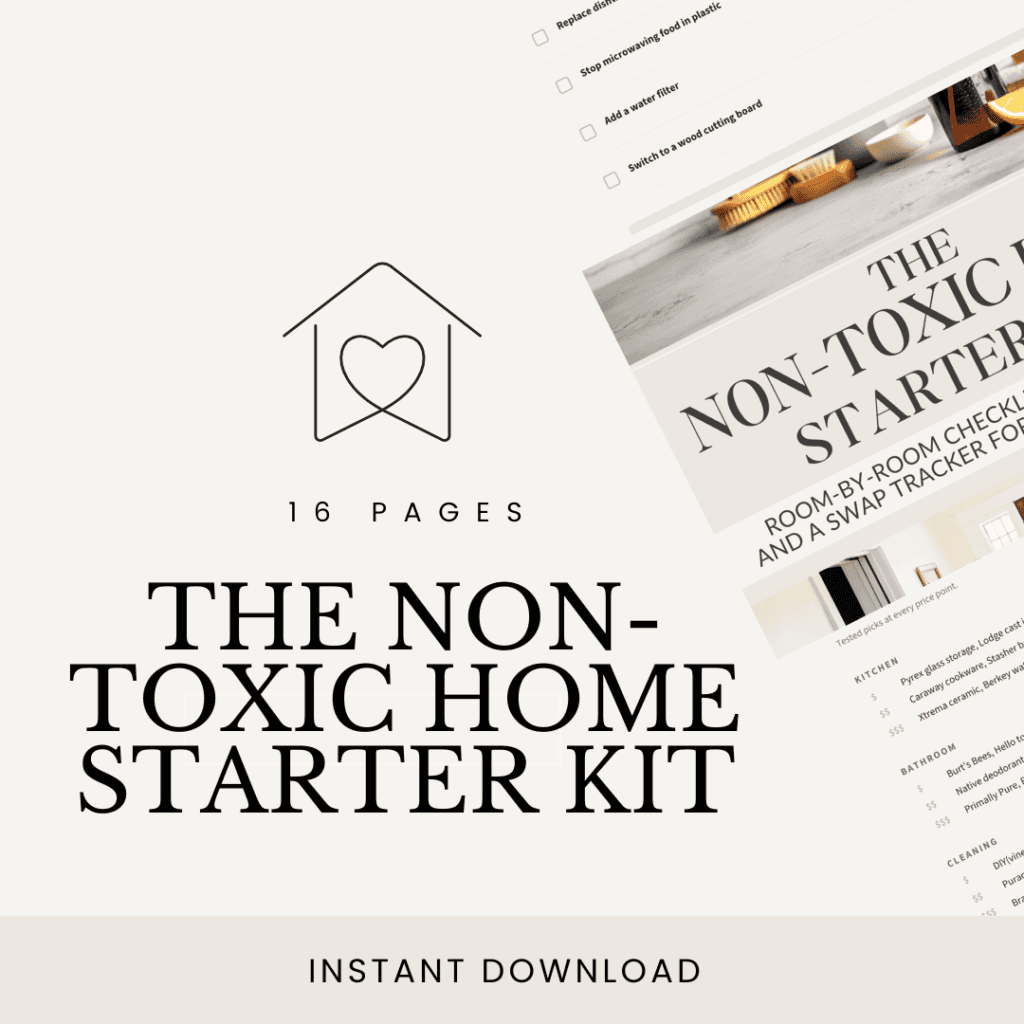
Want the full room-by-room swap checklist? Grab the Non-Toxic Home Starter Kit.
Recommended products
Want the Easy Version?
Get the free 7-Day Non-Toxic Home Kickstart, one simple swap a day, delivered to your inbox.
Your 7-Day Kickstart To A Non-Toxic Home
One swap per day. No overhaul required. Just 7 small changes that make your home a healthier place to live.
No spam. Unsubscribe anytime.