The Best Natural Laundry Detergent for People Who Actually Get Dirty
My husband drives a tractor. I raise sheep. My kids play soccer and come home looking like they rolled down a mudhill (because they probably did).
So when I say I’ve put my laundry detergent to the test, I mean it. We’re not talking about a few office shirts and some yoga pants. We’re talking mud, manure, grass stains, and whatever mystery substance ended up on my jacket at 6 a.m. during morning chores.
I’ve been using the same natural laundry detergent for years now, through three different washing machines, two houses, and more loads than I can count. And it still works.
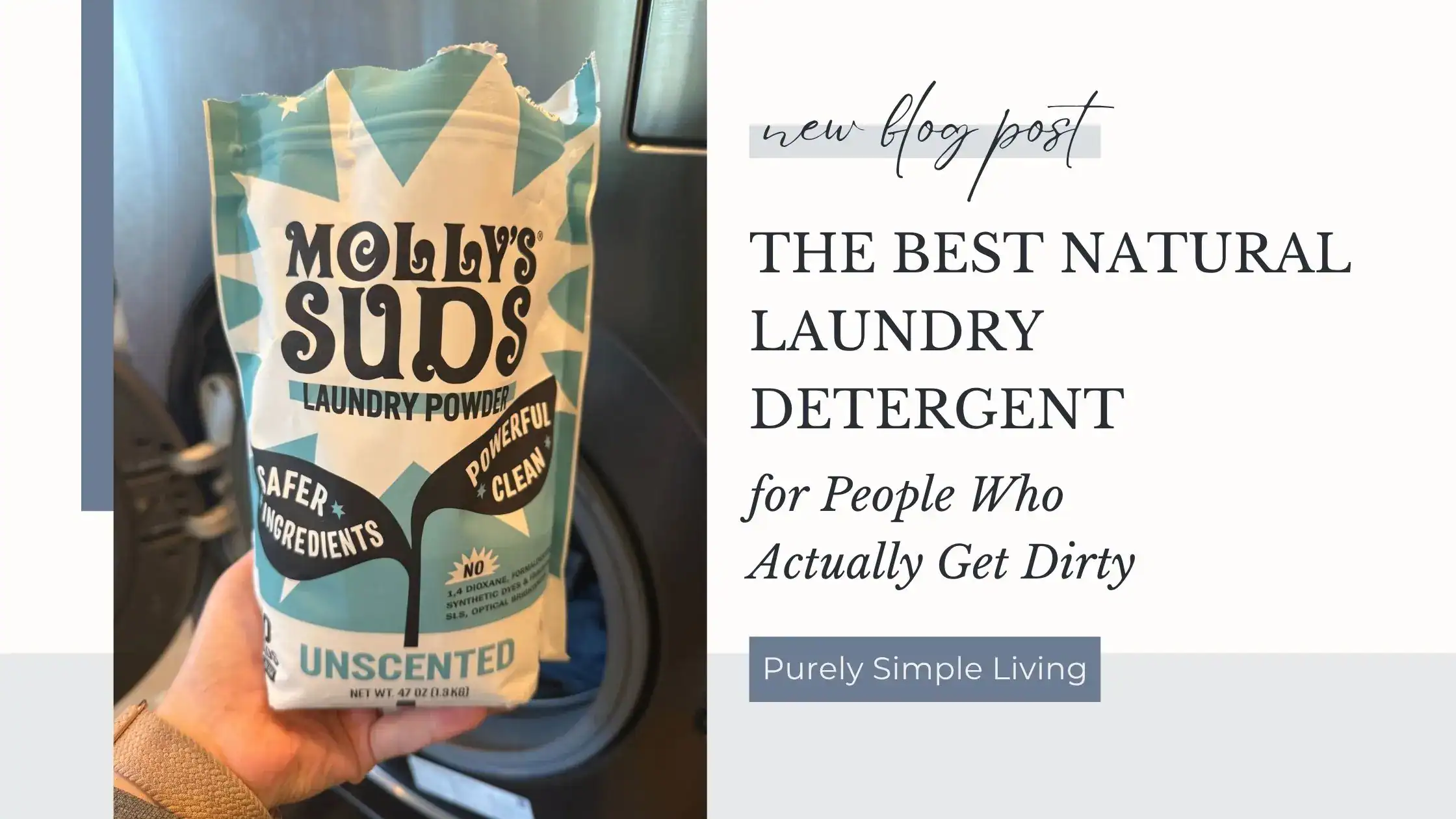
This is my honest review of Molly’s Suds, and why I think it’s the best natural laundry detergent for anyone who needs something that’s actually clean and actually cleans.
Why I Don’t Make Homemade Laundry Detergent
I know. The homemade laundry detergent recipes are everywhere on Pinterest. I’ve seen them. I’ve been tempted.
But here’s the thing. I never fully trusted that a DIY laundry detergent was safe for my machine long-term. Some of those homemade powder detergent recipes use ingredients that can leave residue, clog up your washer, or just not clean well enough for the kind of loads we run.
And honestly? I don’t want to spend my Saturday grating soap bars when I could be outside.
What I wanted was simple. A natural laundry detergent made by a real person, here in the US, with ingredients I can actually read. Something that works on farm clothes and kid clothes without me worrying about what’s soaking into our skin.
That’s why I use Molly’s Suds.
Powder Laundry Detergent vs. Liquid: Which Actually Cleans Better?
As an Amazon Associate, I earn from qualifying purchases. This means if you click an Amazon link and buy something, I may earn a small commission at no extra cost to you.
I’ve tried both. Liquid laundry detergent, powder, pods. And for our family, powdered laundry detergent wins every time.
Here’s why.
Powder detergent is more concentrated. Liquid detergent is mostly water, which means you’re paying for something your washing machine already adds at the start of the cycle.
Powder is also formulated at a higher pH, which makes it better at breaking down mud, clay, and ground-in dirt. If you’re dealing with farm clothes, sports uniforms, or kids who treat every puddle like an invitation, that matters.
Powder is also the only form that can include powdered oxygen bleach (sodium percarbonate), which naturally whitens and brightens without chlorine.
The one area where liquid laundry soap does better is cold water and greasy stains like body oils. But for the kind of dirty we deal with? Powder all day.
Plus, powder usually comes in recyclable cardboard instead of plastic jugs. That’s a win I’ll take.
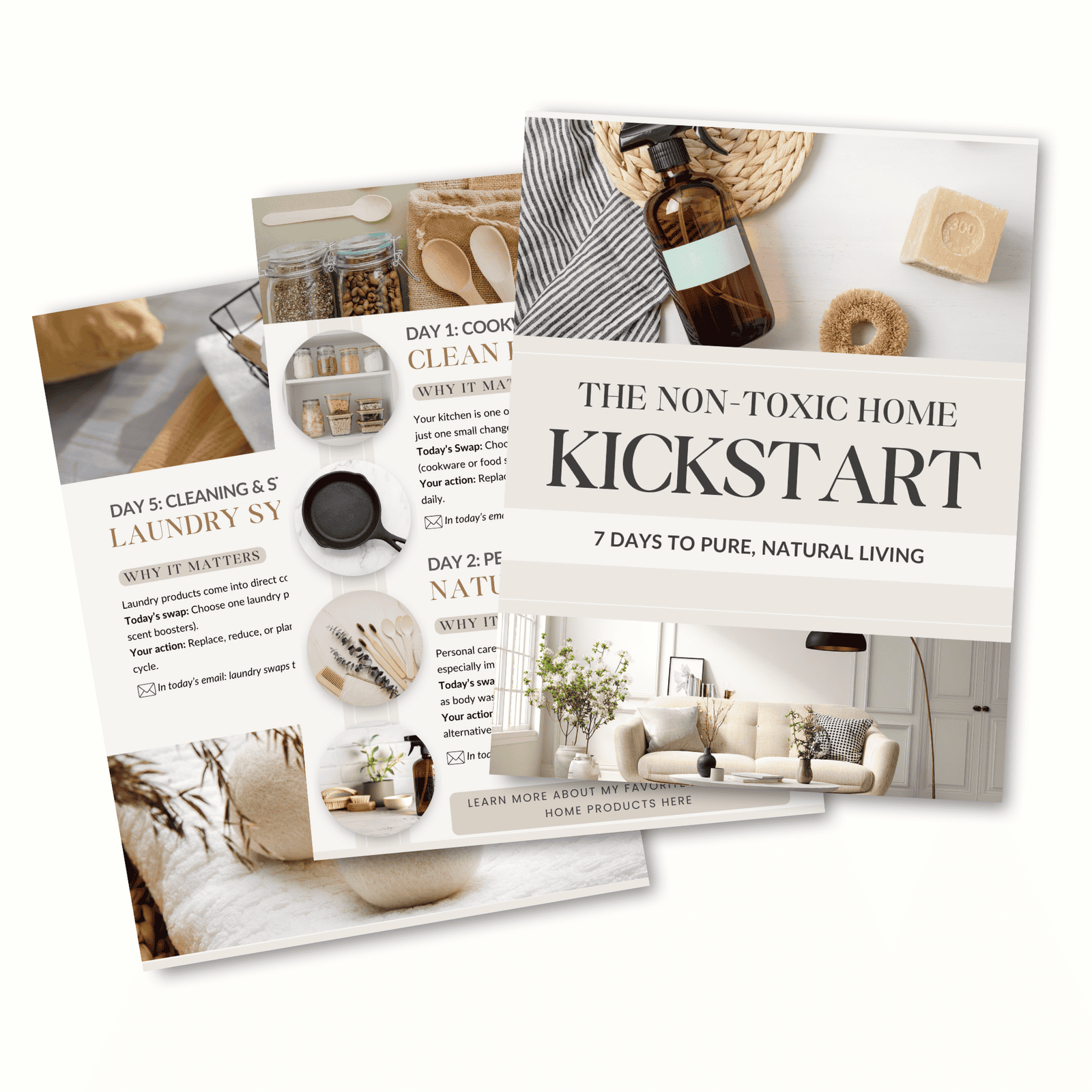
Your laundry is just one room. If you’re starting to wonder what else in your house might be worth swapping, the Toxin-Free Kickstart walks you through it room by room over 7 days. No overwhelm, no guilt trips. Just the simple swaps that actually matter.
Your 7-Day Kickstart To A Non-Toxic Home
One swap per day. No overhaul required. Just 7 small changes that make your home a healthier place to live.
No spam. Unsubscribe anytime.
Why I Avoid Scented Laundry Detergent (and Fabric Softener)
I’ve had sensitive skin since high school. My mom had to stop using fabric softeners because my skin would react to everything.
But it turns out it wasn’t just my skin being dramatic.
Under US law, manufacturers can hide over 3,000 different chemicals under the single word “fragrance” on a label. You have no way of knowing what you’re actually exposed to. Many of those chemicals are classified as endocrine disruptors, meaning they can interfere with your hormones.
One study found more than 25 volatile air pollutants, including carcinogens like acetaldehyde and benzene, emitted from scented laundry detergent and dryer sheets.
Fabric softeners are even worse. They’ve been found to contain chemicals classified under federal law as carcinogenic, toxic, and hazardous. And the thing is, you don’t even need them. They coat your clothes in a waxy film that makes them feel soft but can actually reduce absorbency (ever notice your towels stop drying you off?).
That’s why I use wool dryer balls instead. They naturally soften your clothes, reduce drying time, and last about three years. No chemicals. No film. No reactions.
My Honest Review of Molly’s Suds (The Laundry Products I Actually Use)
I’ve been using four products from Molly’s Suds, and here’s what I think of each one.
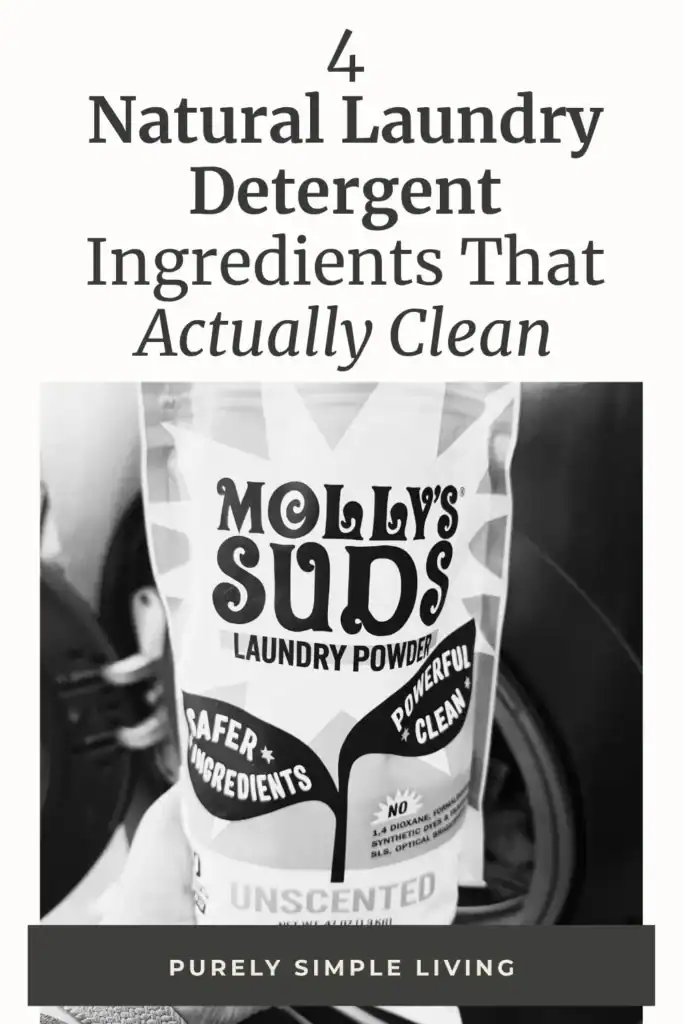
The Original Powder Laundry Detergent. This is where I started. It has four or five ingredients. That’s it. Sodium carbonate, sodium bicarbonate, magnesium sulfate, sea salt, and essential oils if you get a scented version. I go unscented. One tablespoon per load. A bag costs around $15 for 70 loads, which means it lasts for months. For clean laundry that doesn’t irritate my skin, this is hard to beat.
The Super Powder with Enzymes. This is the one I reach for when things get really dirty. It has the same clean base but adds enzymes (protease, amylase, cellulase, mannanase) that break down protein and starch-based stains. Think grass, food, sweat, and whatever my sheep leave on my clothes. It’s about $22 for 60 loads. I’ve used both the lavender and the unscented. Both work great.
The Stain Remover Spray. Enzyme-powered, unscented, works on basically everything. I spray it on before tossing clothes in the wash and it handles most of what our life throws at it. $13 for the full size bottle.
Buncha Farmers Stain Stick. Not a Molly’s Suds product, but it’s earned a permanent spot on the shelf next to my detergent. Simple, biodegradable, zero plastic. I rub it directly onto grass stains, mud streaks, and whatever the kids tracked in from the garden, then work it in with a hard-bristled brush before tossing the clothes in the wash. Around $10, lasts for months.
Wool Dryer Balls. 100% New Zealand wool, mulesing-free, Leaping Bunny certified. I toss three in with every load. My clothes come out soft, they dry faster, and I haven’t bought fabric softener in years.
Three Washing Machines, Same Detergent
One thing I can tell you that most reviewers can’t is how this detergent performs across different machines.
I started with a front-loading washer. Worked perfectly fine with a standard scoop.
When we moved to our current property about five years ago, I switched to a top-loading agitator machine. The old school kind. That’s my favorite washer of all. They’re tough, they clean well, and the powder dissolved easily with the agitation.
Just recently, my husband built me a laundry room off the kitchen (no more basement trips), and we put in a ventless all-in-one washer/dryer combo. With that machine, I only use about half a scoop. It’s plenty. The detergent still cleans thoroughly, and I haven’t had any residue issues.
If you’re nervous about switching laundry detergent brands because you’re not sure how it’ll work with your machine, I can tell you from experience that this stuff is not picky.
What Makes Molly’s Suds Different from Other Detergent Brands
A lot of natural laundry detergent brands look clean on the front of the label but hide questionable ingredients on the back.
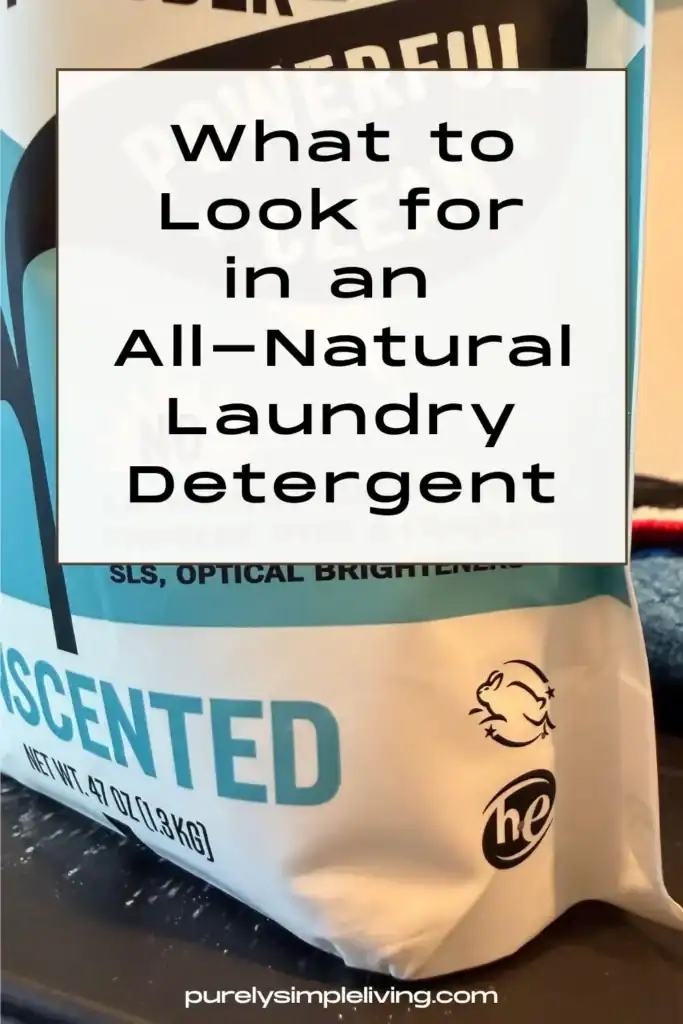
Molly’s Suds is Leaping Bunny certified, which is the gold standard for cruelty-free products. Unlike a vague “cruelty-free” label, Leaping Bunny requires supply chain verification all the way down to the ingredient manufacturer level, with annual recommitment and independent audits.
The product is free from synthetic fragrances, formaldehyde, 1,4-dioxane, optical brighteners, phosphates, chlorine, phthalates, and parabens.
And the founder, Monica Leonard, created the company after losing her daughter Molly. She spent two years researching ingredient safety and working with chemists to build something she could trust for her own family. It’s a small, US-based company with a real person behind it.
That matters to me. If I can find a product that works, is made by someone who cares, and doesn’t cost more than the big-box brands, I’m choosing that every time.
Do You Actually Need to Make Your Own Detergent?
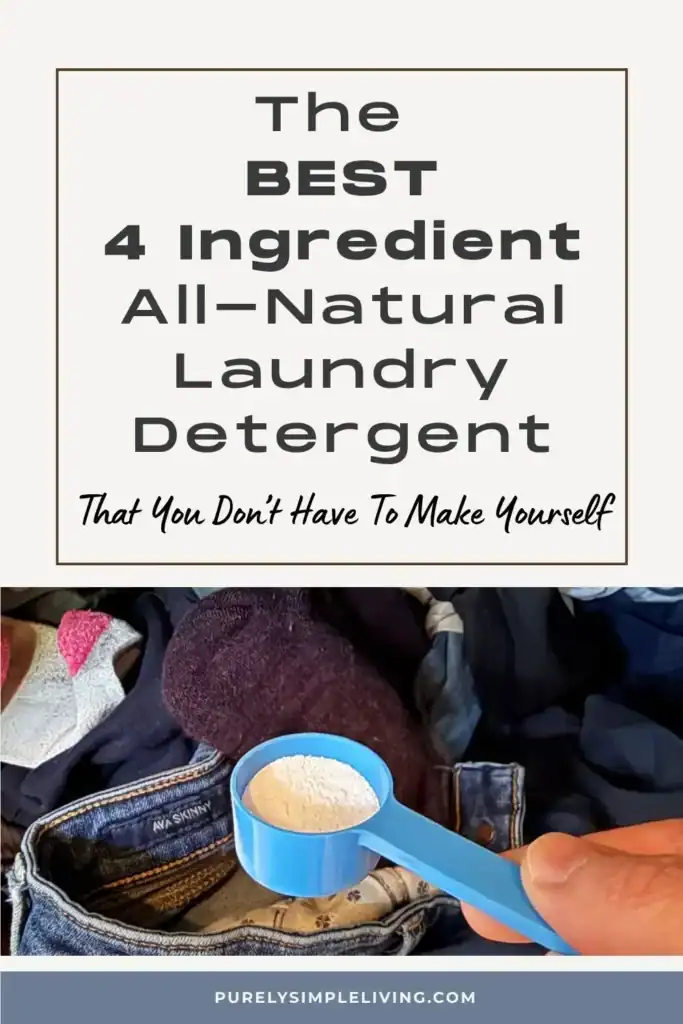
I get the appeal of a homemade laundry detergent recipe. It feels good to know exactly what’s going into your wash. It saves money (in theory). And there are a hundred tutorials showing you how to make laundry detergent in your kitchen.
But if you’re like me and you just want something that’s already done right, that works on real-life messes, and that you can feel good about using on your kids’ clothes and your own skin, you don’t have to make it yourself.
Sometimes the simplest thing is finding someone who already did the hard part for you.
Save This On Pinterest
Switching your laundry detergent is one of the easiest places to start. If you want to keep going, grab the Toxin-Free Kickstart. It’s a free 7-day guide that takes you room by room through the swaps worth making. One room a day. That’s it.
Your 7-Day Kickstart To A Non-Toxic Home
One swap per day. No overhaul required. Just 7 small changes that make your home a healthier place to live.
No spam. Unsubscribe anytime.