10 Non Toxic Home Swaps for a Healthier Bedroom (Better Sleep Starts Here)
You spend roughly a third of your life in your bedroom. Sleeping, breathing, absorbing. For 7-9 hours every night, your body is in recovery mode, and whatever is in the air, on your sheets, or off-gassing from your mattress is going directly into your system.
Building a non toxic home starts in a lot of places. But the bedroom? That’s where the stakes are highest. Because you’re not just passing through. You’re lying still, breathing deeply, for hours on end. Every night.
Most people building a non toxic home focus on the kitchen first (fair enough, that’s where your food lives). But once the cookware is swapped and the cleaning products are handled, the bedroom deserves your attention next.
Here are 10 non toxic home changes, roughly in order of impact, that make your bedroom cleaner and your sleep better.
1. Your Mattress (The Big One)
We’ll be blunt. Your mattress is probably the single largest source of chemical exposure in your entire non toxic home journey. Conventional mattresses contain polyurethane foam (petroleum-based), flame retardants (linked to endocrine disruption), adhesives, and off-gassing VOCs. That “new mattress smell”? Those are volatile organic compounds entering your lungs.
The good news: you don’t need to replace it tomorrow.
If you’re buying new: Avocado Green Mattress uses organic latex, wool, and cotton. GREENGUARD Gold certified. Not cheap, but it lasts 20+ years. Naturepedic is the gold standard for organic mattresses (they started in children’s mattresses, which tells you something about their standards). Birch by Helix offers a more affordable organic option.
If replacing isn’t in the budget: Get an organic mattress topper or a mattress encasement. The encasement creates a barrier between you and whatever’s in your current mattress. It’s not perfect, but it’s a solid compromise for $50-$100.
2. Your Pillows
As an Amazon Associate, I earn from qualifying purchases. This means if you click an Amazon link and buy something, I may earn a small commission at no extra cost to you.
Conventional pillows are basically small versions of the same problem. Memory foam off-gasses. Polyester fill is petroleum-based. Down can be treated with formaldehyde to prevent mold.
The swap: Organic latex pillows, organic cotton-filled pillows, or buckwheat hull pillows. Avocado makes an organic molded latex pillow that we love. Organic cotton options from Naturepedic or Coyuchi are good alternatives.
Pillows are cheap enough to replace immediately. This is an easy first move.
3. Bedding and Sheets
Conventional cotton is one of the most heavily pesticide-treated crops in the world. “Cotton-poly blend” sheets add synthetic materials into the mix. Wrinkle-free sheets are treated with formaldehyde-based finishes. (That’s not a typo.)
What to look for: 100% organic cotton, GOTS (Global Organic Textile Standard) certified. Boll & Branch makes beautiful GOTS-certified organic sheets. Casaluna at Target offers a budget-friendly organic option. Look for the GOTS or OEKO-TEX certifications on the packaging.
Budget version: At minimum, wash any new sheets 2-3 times before sleeping on them. This removes some of the chemical finishes. Not all of them. But some.
4. Indoor Air Quality (This One’s Free)
Indoor air is typically 2-5 times more polluted than outdoor air. In bedrooms, the main culprits are VOCs from furniture, carpet, paint, and anything with synthetic materials. Plus dust mites, pet dander, and whatever blew in from outside.
Open your window. Even 15 minutes of fresh air circulation makes a measurable difference. If you live somewhere with actual winters, even cracking the window for 5 minutes before bed helps. We do this year-round and the air quality difference is noticeable.
Get an air purifier. If you’re going to put one anywhere, put it in the bedroom. AirDoctor and Austin Air make excellent HEPA units that filter VOCs, allergens, and particulates. The AirDoctor 3000 covers a bedroom easily and runs quietly on low settings. Not cheap. Worth every penny for the 8 hours you spend breathing in that room.
Vacuum regularly. Dust is a vehicle for all kinds of chemicals. Flame retardants from furniture, pesticides tracked in on shoes, phthalates from plastics. A HEPA-filter vacuum captures these instead of blowing them back into the air. Vacuum your bedroom at least once a week. More if you have pets.
5. Non Toxic House Plants
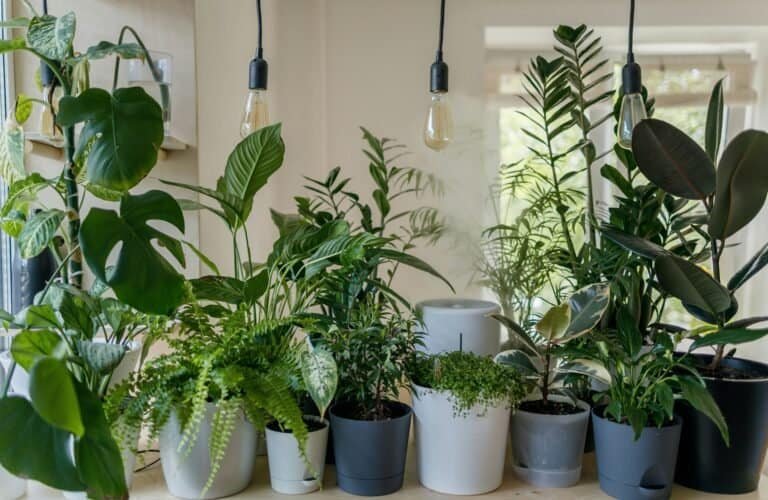
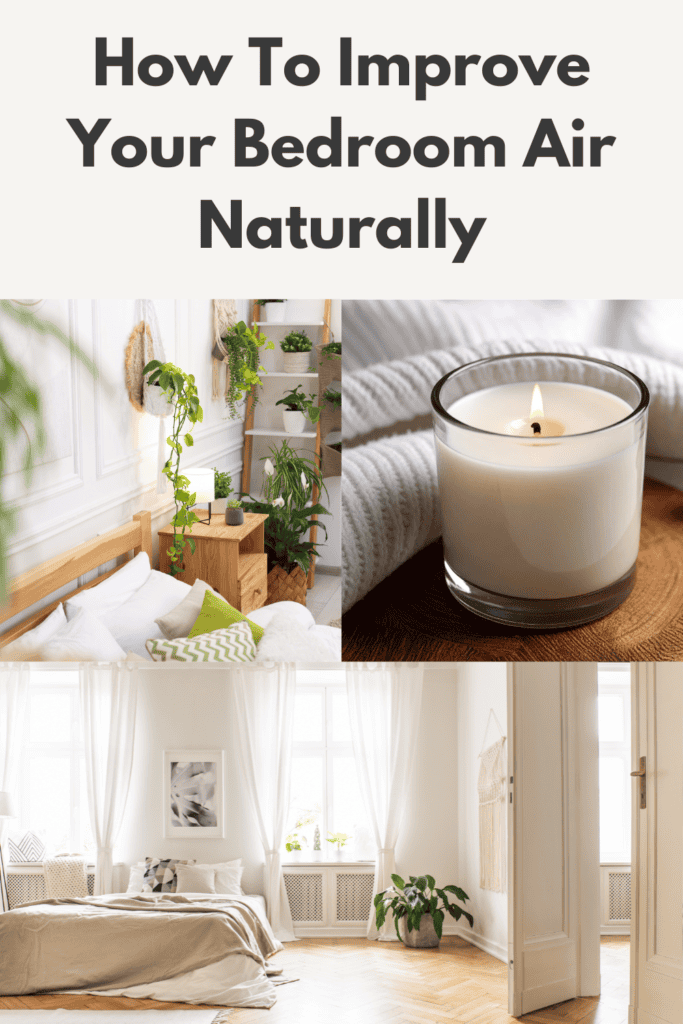
Plants do genuinely help with indoor air quality, but let’s be realistic about it. You’d need a literal greenhouse worth of plants to match what an air purifier does. That said, they help at the margins, they look great, and some are specifically good at absorbing certain VOCs.
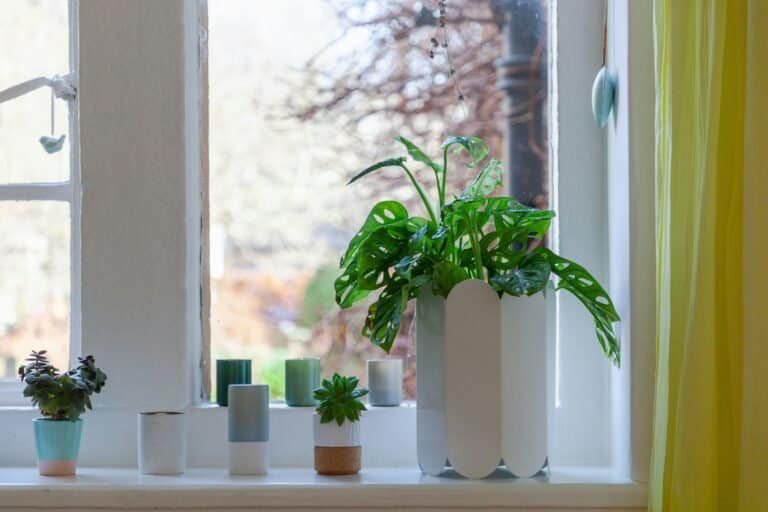
The best options for bedrooms: Snake plant (releases oxygen at night, unlike most plants). Pothos (absorbs formaldehyde). Peace lily (tackles benzene and trichloroethylene). Spider plant (hard to kill, absorbs carbon monoxide). Boston fern (natural humidifier).
Keep non toxic house plants away from direct heat vents and out of reach of kids and pets (peace lilies and pothos are mildly toxic if ingested by animals).
6. Candles and Air Fresheners
That lavender candle on your nightstand? If it’s made from paraffin wax (most candles are), it’s releasing toluene, benzene, and soot into your bedroom air. Scented plug-ins are worse. They continuously emit synthetic fragrance compounds, and you’re breathing them all night.
The swap: 100% beeswax candles or soy candles with essential oil fragrance only. Big Dipper Wax Works makes pure beeswax options. Beeswax actually releases negative ions that help purify the air. No, really.
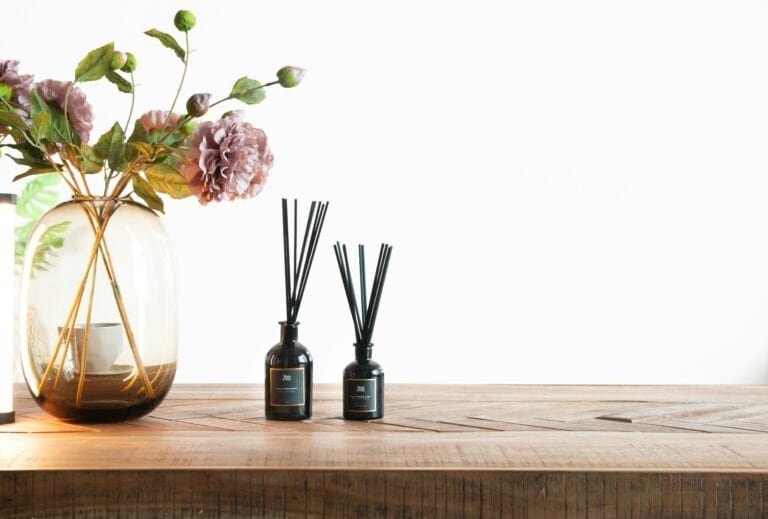
Or just skip candles entirely. Simmer pots on the stove (lemon, rosemary, cinnamon), linen sprays made with water and essential oils, or a simple essential oil diffuser in the bedroom. All accomplish the same ambiance without the combustion byproducts.
One Room Down, Six to Go
Your bedroom is getting a full overhaul. The rest of your home has just as many swaps worth making. The 7-Day Non-Toxic Kickstart gives you one simple change a day, delivered to your inbox.
7. Paint and Wall Finishes
If your bedroom was painted in the last few years with conventional paint, it may still be off-gassing low levels of VOCs. This is more of a factor in recently painted rooms (first 6-12 months) but can continue at lower levels for years.
For your next paint job: Use zero-VOC or low-VOC paint. Benjamin Moore Natura, Sherwin-Williams Harmony, and ECOS Paints are solid options. They cost about the same as conventional paint. There’s no trade-off here, honestly.
Right now: Ventilate. Keep that window cracked. If you painted recently and notice a smell, it’s still off-gassing.
8. Your Laundry Detergent (For Bedding)
Your sheets are washed in it. Your pillowcases sit against your face all night. Whatever’s in your laundry detergent ends up pressed against your skin for hours. Synthetic fragrance, optical brighteners, and chemical softeners included.
We have an entire post on non-toxic laundry swaps coming, but the quick version: switch to a plant-based, fragrance-free detergent for your bedding at minimum. Branch Basics or Molly’s Suds are both excellent options.
9. Electronics
Your phone, tablet, and TV all emit blue light that disrupts melatonin production. But they also emit low levels of EMFs (electromagnetic fields). The research on EMFs is still evolving, but the precautionary approach is simple: distance.
Easy moves: Charge your phone across the room instead of on your nightstand. Don’t sleep with your laptop on the bed. If you have a TV in the bedroom, unplug it when not in use (or at minimum, turn off the power strip). Use a battery-powered alarm clock instead of your phone.
These are all free. And most of them will improve your sleep quality regardless of your stance on EMFs.
10. Carpet and Flooring
Wall-to-wall carpet is a trap for dust mites, pet dander, mold, and every chemical that floats down and settles. Carpet adhesives off-gas. Carpet treatments (stain resistance, fire retardants) add more chemicals. And you’re breathing at floor level for 8 hours.
The dream: Hardwood, tile, or bamboo flooring with organic area rugs that can be washed.
The reality: Ripping out carpet is expensive and not always an option. If you’re keeping carpet, vacuum with a HEPA-filter vacuum at least twice a week, steam clean annually, and consider placing an organic cotton rug over the carpet near your bed. That extra barrier helps.
The Order of Operations
If you’re wondering where to start, here’s the priority list based on time spent in contact and cost:
- Open a window when possible (free, immediate)
- Replace pillows with organic (affordable, high contact)
- Switch to non-toxic laundry detergent for bedding ($15-$20)
- Remove plug-in air fresheners and paraffin candles (free)
- Add 2-3 air-purifying plants ($10-$30)
- Get a HEPA air purifier ($200-$400, but a one-time cost)
- Upgrade sheets to organic when current ones wear out
- Replace mattress when it’s time (don’t rush this one)
Nobody does all of this in a weekend. It’s a gradual process. One thing at a time. That’s the whole philosophy behind building a non toxic home: steady improvement, not panic buying.
Save This For Later
Keep the Momentum Going
Kitchen is swapped. Bathroom is cleaner. Cleaning products are sorted. Bedroom is dialed in. Four rooms down. Next up: laundry (because what you wash everything with matters just as much as what’s on it).
Grab the Printable
Want the full room-by-room swap checklist? Grab the Non-Toxic Home Starter Kit.
Want the Easy Version?
Get the free 7-Day Non-Toxic Home Kickstart, one simple swap a day, delivered to your inbox.