Zero Waste Cleaning: How to Clean Your House Without Single-Use Products
Every year, the average American household throws away roughly 30 plastic cleaning product bottles.
That’s just the bottles. Add in paper towels, disposable wipes, dryer sheets, sponges, and single-use refill cartridges, and the waste from cleaning alone is staggering. All of it to make your home clean. Which is ironic, if you think about it.
Zero waste cleaning eliminates almost all of that. Not by making cleaning harder. By making it simpler. Fewer products, less packaging, better results. The same way your grandparents cleaned (vinegar, baking soda, cloth rags) just with a few modern upgrades.
What Zero Waste Cleaning Actually Looks Like
Let’s set expectations. “Zero waste” is aspirational, not literal. You’ll still produce some waste. A bottle of vinegar comes in a plastic jug. Essential oil bottles are glass but have plastic caps. The goal is dramatically less waste, not perfection.
A realistic setup looks like this:
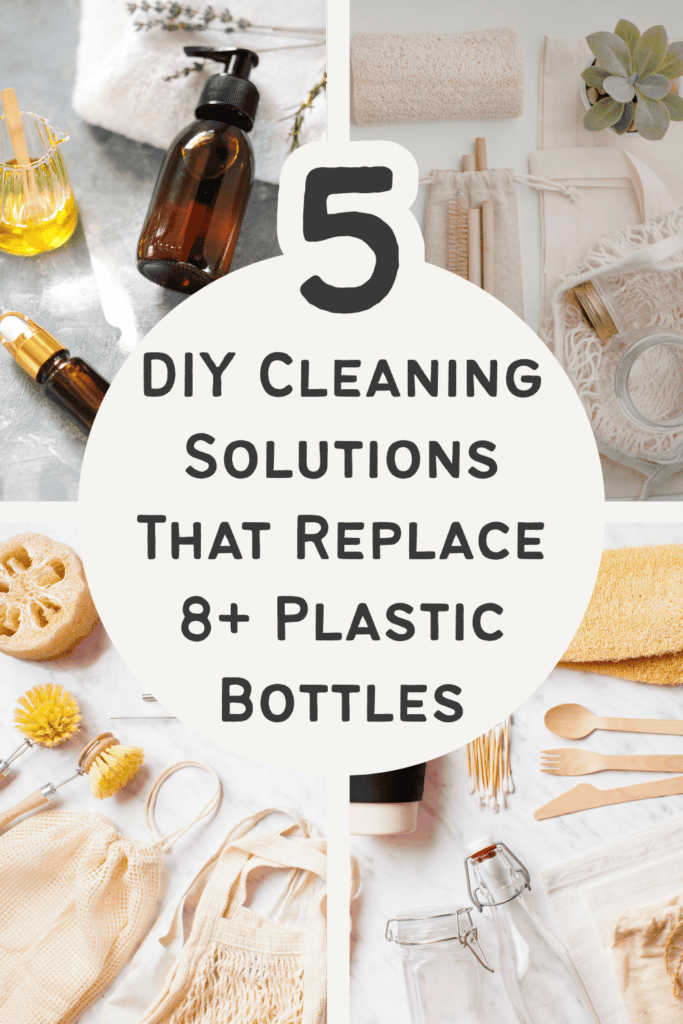
5 DIY cleaning solutions that cover every surface in your home. All made from bulk ingredients stored in reusable bottles.
Reusable tools that last months or years instead of being tossed weekly.
A refill system for anything you’d rather buy than make.
That’s it. Less than 10 items total. Let’s break it down.
The DIY Foundation
As an Amazon Associate, I earn from qualifying purchases. This means if you click an Amazon link and buy something, I may earn a small commission at no extra cost to you.
We covered these recipes in detail in our complete DIY cleaning guide. Here’s the zero waste version of the same recipes with packaging notes.
All-Purpose Cleaner
- 1 cup water
- 1 cup white vinegar
- 10-15 drops essential oil (optional)
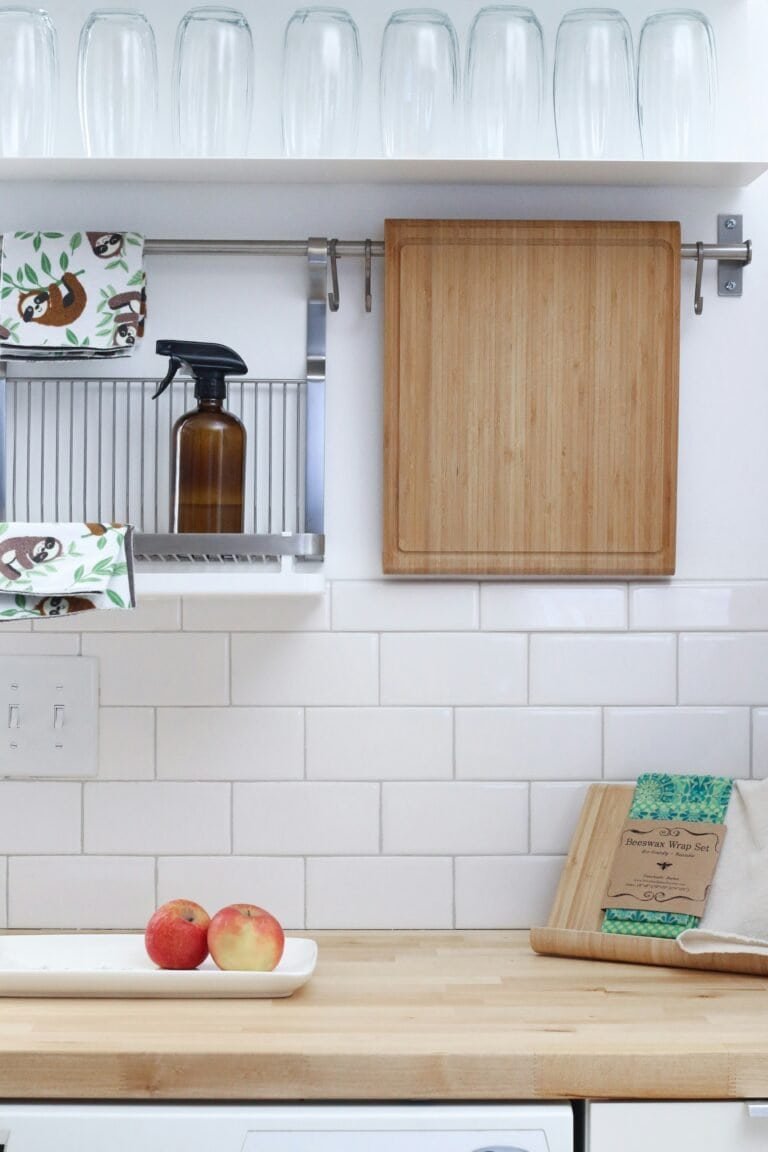
Container: Glass spray bottle (one-time purchase, $5-$8, lasts years)
Cost per refill: About $0.25
This handles counters, sinks, stovetops, appliances, and general surface cleaning. One recipe, one bottle, endless refills.
Glass Cleaner
- 1 cup water
- 1 cup white vinegar
- 1 tablespoon cornstarch (prevents streaks)
Container: Second glass spray bottle
Cost per refill: About $0.20
Mirrors, windows, glass tabletops, and any shiny surface. Streak-free with the cornstarch trick.
Bathroom Scrub
- 1/2 cup baking soda
- Enough castile soap to make a paste
- 10 drops tea tree essential oil (natural antimicrobial)
Container: Glass jar with lid (reuse a jam jar)
Cost per batch: About $0.50
Tubs, tile, sinks, and toilets. The baking soda scrubs. The castile soap cleans. The tea tree disinfects. Mix fresh as needed.
Floor Cleaner
- 1 gallon hot water
- 1/4 cup white vinegar
- 1 tablespoon castile soap
Container: Your mop bucket. No extra packaging needed.
Cost per batch: About $0.75
Works on tile, sealed hardwood, vinyl, and laminate. We have floor-specific variations in our floor cleaner guide.
Laundry Detergent Alternative
- Soap nuts (dried berries that release natural saponin)
- OR a castile soap-based recipe
- OR a zero-waste laundry detergent strip
Container: Soap nuts come in a cloth bag. Strips come in a cardboard envelope.
Cost per load: $0.10-$0.20
Soap nuts are the true zero waste option. 5-6 berries in a cotton bag, tossed in the washer, reused for 5-10 loads, then composted. We covered cleaner laundry alternatives in our laundry detergent guide.
The Zero Waste Cleaning Toolkit
Products you buy once and use for months or years.
Microfiber Cloths ($10-$15 for a 12-pack)
Replace: Paper towels for cleaning
Lifespan: 200-500 washes per cloth
Use for: Dusting, wiping surfaces, cleaning glass, mopping (wrap around a flat mop)
Wash: Hot water, no fabric softener (it coats the fibers and reduces absorbency)
A 12-pack handles your entire house. Dedicate colors to tasks: blue for glass, green for kitchen, white for bathroom. This prevents cross-contamination and you always know which cloth to grab.
Swedish Dishcloths ($8-$12 for a 6-pack)
Replace: Paper towels for kitchen spills and dish drying
Lifespan: 6-9 months per cloth (replaces 15+ rolls of paper towels)
What they are: Cellulose and cotton blend that absorbs 15x its weight. Dries stiff between uses (which prevents bacterial growth). Rinse, wring, lay flat.
End of life: Compostable. When it starts falling apart, toss it in the compost bin.
Natural Bristle Brush ($8-$15)
Replace: Plastic scrub brushes and disposable sponges
Lifespan: 6-12 months (replace the head, keep the handle)
Best for: Dishes, pots, sinks, grout. Wood handles with replaceable heads are the most sustainable option.
Cellulose Sponges ($5-$8 for a 4-pack)
Replace: Conventional polyurethane sponges (which are plastic)
Lifespan: 2-4 weeks per sponge
End of life: Compostable. They’re made from plant cellulose.
Sanitize: Wet and microwave for 60 seconds weekly to kill bacteria.
Reusable Mop with Washable Pads ($25-$40)
Replace: Swiffer WetJet and disposable mop pads
Lifespan: Years (the mop) and hundreds of washes (the pads)
How it works: Microfiber pads attach to the mop base. Spray your DIY floor cleaner. Mop. Toss the pad in the wash. Reuse.
The Swiffer model is designed to sell you refills forever. This model is designed to stop buying refills forever.
Wool Dryer Balls ($10-$15 for a set of 6)
Replace: Dryer sheets (1,000+ dryer sheets per year for the average family)
Lifespan: 1,000+ loads
How they work: They bounce between clothes, separating fabric, reducing drying time by 10-25%, and naturally softening without chemicals. Add a few drops of lavender essential oil for scent.
Cleaning Is Just the Beginning
Your cleaning products are one of the fastest wins in a non-toxic home. Want to tackle the rest, one room at a time? The 7-Day Non-Toxic Kickstart gives you one simple swap a day, delivered to your inbox.
The Refill Option (For Non-DIYers)
If you’d rather buy cleaning products than make them, going waste-free is still possible through refill and concentrate systems.
Concentrate Systems
Branch Basics sells a single concentrate that dilutes into all-purpose cleaner, bathroom cleaner, glass cleaner, laundry detergent, and more. One bottle replaces 5+ products. The refill bottles are reused indefinitely. You buy the concentrate in a larger container, reducing packaging per use significantly.
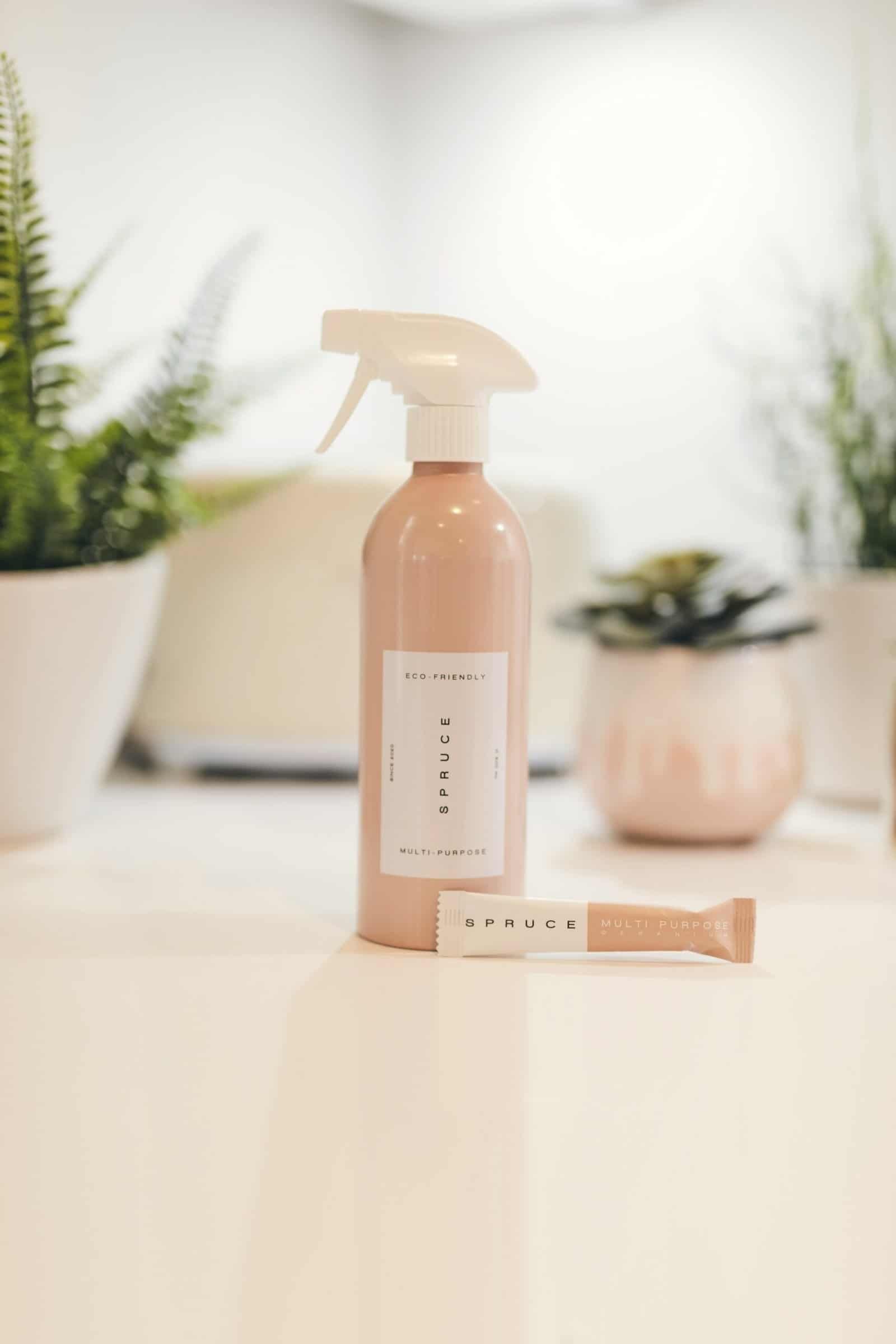
Blueland takes a different approach: effervescent tablets that dissolve in water. You buy the spray bottle once and replace only the tablet. Each tablet comes in minimal compostable packaging. All-purpose, glass, bathroom, and hand soap tablets available.
Force of Nature uses an electrolyzer to convert salt, water, and vinegar into a hospital-grade disinfectant. One small appliance, refill capsules, and a reusable spray bottle. It’s the closest thing to a true zero waste disinfectant.
Refill Stations
Many natural grocery stores (Whole Foods, co-ops, specialty stores) have bulk cleaning product refill stations. Bring your own bottle, fill it with dish soap, hand soap, laundry detergent, or all-purpose cleaner. Pay by weight. Zero new packaging.
If you have a local refill shop, this is the easiest approach. One trip per month, your own bottles, done.
The Cost Comparison
Let’s be honest about numbers.
Conventional cleaning (annual):
- 5-8 plastic bottles of cleaner: $30-$60
- Paper towels (80+ rolls): $80-$160
- Dryer sheets: $20-$30
- Disposable mop pads: $30-$50
- Sponges: $15-$25
- Total: $175-$325/year
Zero waste cleaning (annual, after Year 1 setup):
- Vinegar (2 gallons): $6
- Baking soda (5 lbs): $5
- Castile soap (1 bottle): $12
- Essential oils: $15
- Replacement sponges/brush heads: $15
- Total: ~$53/year
Year 1 costs a bit more because you’re buying reusable tools ($50-$80 for cloths, bottles, mop, dryer balls, brushes). After that, you’re spending a fraction of what you were before.
Zero waste cleaning saves most households $100-$250 per year. The environmental benefit is a bonus on top of the financial one.
Getting Started (The 3-Step Version)
Step 1: Make the all-purpose cleaner. One glass spray bottle, vinegar, water. This replaces 80% of your commercial cleaners immediately.
Step 2: Switch to cloth. A pack of microfiber cloths or Swedish dishcloths replaces paper towels. Throw them in the wash.
Step 3: Replace products as they run out. When the Windex is empty, don’t buy more. Make the glass cleaner recipe. When the sponge falls apart, get a cellulose one. When the dryer sheets are gone, get wool dryer balls.
Within 2-3 months, your system is fully operational. No dramatic overhaul. No big spending day. Just gradual improvement that sticks.
For the complete recipe set with exact measurements for every surface, check out our DIY natural cleaning products guide.
Save This For Later
Grab the Printable
Want all the recipes in one printable guide? Grab the DIY Natural Cleaning Recipe Book.
Want the Easy Version?
Get the free 7-Day Non-Toxic Home Kickstart, one simple swap a day, delivered to your inbox.