
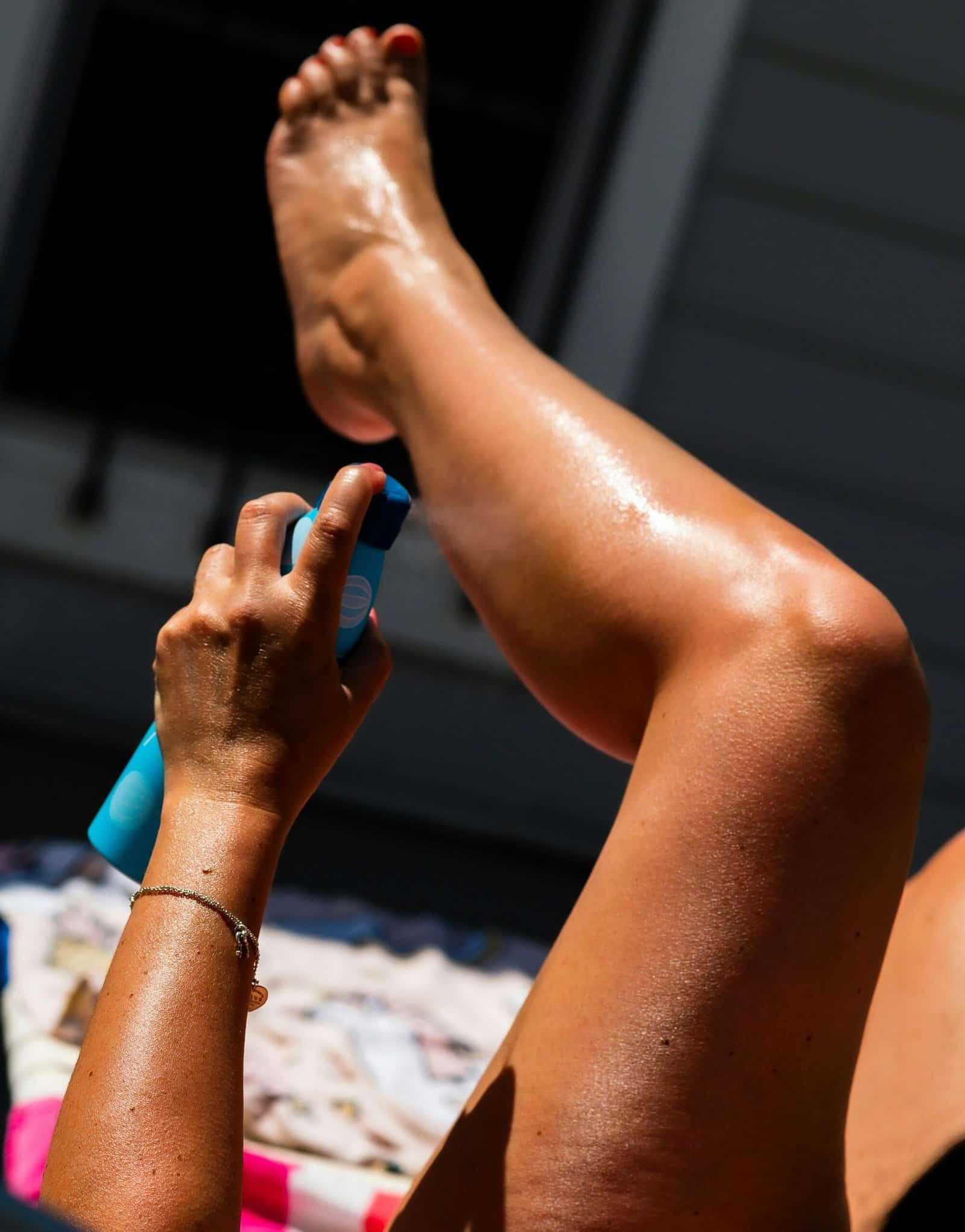
Non Toxic Sunscreen: 9 Clean Brands That Actually Protect Your Skin
Summer hits and suddenly everyone remembers sunscreen exists.
You grab that bottle from last year, squeeze some out, and slather it on without a second thought.
Here’s the uncomfortable part: the FDA found that chemical sunscreen ingredients like oxybenzone, avobenzone, and octinoxate absorb into your bloodstream after just one application. These chemicals were detectable in blood for weeks after people stopped using them.
That’s not a reason to skip sunscreen. UV damage is real, and unprotected sun exposure is genuinely dangerous. But it is a reason to look at what’s actually in the bottle you’re putting on your skin every day.
Non toxic sunscreen uses mineral filters (zinc oxide, titanium dioxide) instead of chemical ones. These minerals sit on top of your skin and physically block UV rays rather than absorbing into your body. Same protection. Completely different mechanism.
We’ve tested a lot of them. Some leave you looking like a ghost. Some pill under makeup. A few are genuinely excellent. Here are 9 non toxic sunscreen brands we keep coming back to, organized by price so you can find one that fits.
Chemical vs. Mineral: The 30-Second Version
Chemical sunscreens absorb UV rays and convert them to heat inside your skin. The active ingredients (oxybenzone, avobenzone, octinoxate, homosalate, octocrylene) absorb into your bloodstream. Oxybenzone specifically has been linked to hormone disruption and coral reef damage.
Mineral sunscreens use zinc oxide or titanium dioxide. They sit on the skin’s surface and physically deflect UV rays. They don’t absorb into your body. That’s it. That’s the difference.
Both types protect against sunburn. Only one type stays on your skin instead of in it.
The reef-safe question: Hawaii and Key West banned oxybenzone and octinoxate because they damage coral reefs. But “reef safe” on a label means nothing. It’s not regulated. Any brand can print it. Look at the active ingredients instead. Zinc oxide and titanium dioxide are the safest options for both your body and ocean ecosystems.
The White Cast Problem (Let’s Be Honest)
As an Amazon Associate, I earn from qualifying purchases. This means if you click an Amazon link and buy something, I may earn a small commission at no extra cost to you.
Older mineral sunscreens left a thick white film on skin. That’s the number one complaint, and it was valid. Nobody wants to walk around looking chalky.
Modern formulations have mostly fixed this. Micronized zinc oxide particles are small enough to blend transparently on most skin tones. “Mostly” is the key word, though. Some mineral sunscreens still leave a noticeable cast, especially on medium and deeper skin tones.
We’ll call it out for each brand below. No point recommending a product that sits in a drawer because you hate how it looks.
SPF Myths Worth Clearing Up
SPF 30 blocks 97% of UVB rays. SPF 50 blocks 98%. SPF 100 blocks 99%. The jump from 30 to 50 is just one percentage point. Higher SPF numbers give a false sense of security and often encourage people to reapply less often. SPF 30 is the sweet spot. Reapplication every 2 hours matters far more than the number on the bottle.
“Waterproof” sunscreen doesn’t exist. The FDA banned that term in 2011. Sunscreens can only claim “water resistant” for 40 or 80 minutes. After that, reapply.
Premium Non Toxic Sunscreen ($28-$52)
1. Supergoop Sheerscreen SPF 30
Supergoop (shop on Amazon) built their entire brand around making sunscreen people actually want to wear. The Sheerscreen uses zinc oxide in a lightweight formula that disappears on application. No white cast. Sits beautifully under makeup. Squalane and other skincare ingredients in the formula so it doesn’t feel like sunscreen at all.
Best for: Daily face sunscreen, under makeup
SPF: 30 (mineral)
White cast: Minimal to none
Price: ~$38
2. ILIA Super Serum Skin Tint SPF 40
ILIA combined tinted moisturizer and sunscreen into one product, and it’s genuinely one of the best things in clean beauty right now. Zinc oxide provides SPF 40 protection while squalane, niacinamide, and hyaluronic acid treat your skin. Light coverage that looks like skin. This is a two-in-one that actually works as both.
Best for: People who want coverage and protection in one step
SPF: 40 (mineral)
White cast: None (it’s tinted)
Price: ~$46
3. Crunchi Sunlight Tinted SPF 30
Crunchi built this as a true multi-use product, not just another sunscreen. The Sunlight Tinted SPF uses non-nano zinc oxide in a lightweight, skin-like formula that blends in seamlessly. No white cast. It gives light, natural coverage while also delivering skincare benefits like hydration and brightening, so it replaces multiple steps in your routine.
Best for: Daily face sunscreen, minimal makeup routines, one-step coverage + protection
SPF: 30 (mineral, non-nano zinc oxide)
White cast: None (tinted formula)
Price: ~$52
Mid-Range Non Toxic Sunscreen ($15-$25)
4. Pipette Mineral Sunscreen SPF 50
Pipette was formulated by scientists, and their mineral sunscreen uses a sugarcane-derived squalane base that makes it silky instead of chalky. Originally designed for babies (more on kids’ picks below), but the formula works beautifully for adults too. Fragrance-free, lightweight, and surprisingly affordable for how well it performs.
Best for: Whole-family use, sensitive skin
SPF: 50 (mineral)
White cast: Low
Price: ~$18
5. Cocokind Daily SPF 32
Cocokind keeps things minimal. Short ingredient lists, simple formulas, reasonable prices. Their daily sunscreen uses zinc oxide in a moisturizer-like base. It does have a slight tint to counteract the white cast, which is a smart workaround. Reef-conscious formula.
Best for: People who like minimal, clean ingredient lists
SPF: 32 (mineral)
White cast: Minimal (slight tint helps)
Price: ~$22
6. Sun Bum Mineral SPF 30
Sun Bum’s mineral line (not their original chemical line, so read the label carefully) uses zinc oxide in a water-resistant formula. Good for beach days and outdoor activity. It’s thicker than the daily-wear options above, but that’s the trade-off for water resistance. Smells like summer.
Best for: Beach, pool, outdoor sports
SPF: 30 (mineral, 80 min water resistant)
White cast: Moderate (it’s a sport sunscreen, not a cosmetic one)
Price: ~$18
Budget Non Toxic Sunscreen ($8-$14)
7. ThinkBaby SPF 50+
ThinkBaby (shop on Amazon) was the first sunscreen to pass Whole Foods Premium Care requirements. Uses 20% zinc oxide for broad-spectrum protection. Yes, it was designed for babies. It works just as well on adults. The formula is thick, which means it stays put on squirmy toddlers and sweaty adults alike. Affordable enough to reapply generously without wincing.
Best for: Families, budget-conscious buyers, generous reapplication
SPF: 50+ (mineral)
White cast: Noticeable (trade-off for the high zinc content and low price)
Price: ~$10
8. Blue Lizard Sensitive Mineral SPF 50+
Blue Lizard (shop on Amazon) has a neat feature: the bottle cap turns blue in UV light, reminding you to apply. Their Sensitive formula is free of fragrances and parabens. Dermatologist recommended and widely available at drugstores. A solid everyday mineral option that won’t empty your wallet.
Best for: Sensitive skin, drugstore accessibility
SPF: 50+ (mineral)
White cast: Moderate
Price: ~$14
9. Alba Botanica Sensitive Mineral SPF 30
Alba Botanica is 100% vegetarian, hypoallergenic, and uses zinc oxide as the sole active ingredient. Available at most grocery stores and pharmacies. This is the one you grab when you forgot sunscreen and need something clean from the nearest shelf. Fragrance-free, gentle, gets the job done.
Best for: Sensitive skin, last-minute purchases, grocery store availability
SPF: 30 (mineral)
White cast: Moderate to noticeable
Price: ~$11
Best Non Toxic Sunscreen for Babies and Kids
Kids’ skin is thinner and absorbs more of what you put on it. Every pediatric dermatology guide recommends mineral sunscreen for babies and young children. Here’s what we’d reach for:
Under 6 months: The American Academy of Pediatrics recommends keeping babies out of direct sun entirely. Shade, hats, and lightweight clothing first. If sun exposure is unavoidable, a small amount of mineral sunscreen on exposed areas is considered safe.
6 months and up: ThinkBaby SPF 50+ and Pipette Mineral SPF 50 are both excellent. Fragrance-free, gentle, high zinc content, and affordable enough to slather on liberally. Blue Lizard also makes a Baby formula that’s nearly identical to their Sensitive line.
For toddlers who hate sunscreen: Stick formats are easier than lotions for wiggly kids. Badger makes an unscented mineral sunscreen stick that goes on fast. Less mess, less fighting.
The “Which One Should I Buy?” Answer
If you’re switching from chemical to mineral sunscreen and want one pick:
For daily face use: Supergoop Sheerscreen or Crunchi Sunlight Tinted SPF. Disappears on skin, works under makeup, feels like a moisturizer. You’ll actually wear it every day, which is the whole point.
For the whole family: ThinkBaby SPF 50+. Ten dollars, high protection, safe for everyone from babies to adults. Yes, it leaves a white cast. Your family is still protected.
For the clean beauty person: ILIA Super Serum Skin Tint SPF 40. Replaces both your tinted moisturizer and your sunscreen. Fewer products, better ingredients, genuine skincare benefits.
The best non toxic sunscreen is the one you’ll actually reapply. SPF 30 applied twice beats SPF 50 applied once. Pick a formula you like wearing. That matters more than anything else on this list.
Already switching to cleaner products? Our guides on clean beauty swaps and non toxic makeup brands cover the rest of your routine.
Want the Easy Version?
The Clean Beauty Swap Guide has our full sunscreen picks plus swaps for every product in your bathroom. One printable PDF. Done.
Recommended products


I love that you mentioned the issue with industrial seed oils oxidizing in the sun! It’s an often-overlooked part of ‘non-toxic’ sun care. I actually found out about that through the Beauty Heroes Ingredient Intelligence series—they really prioritize stable, high-performance botanicals that actually support the skin barrier instead of just sitting on top. It makes a huge difference in how my skin feels by the end of a beach day
Thank you! The seed oil piece is something I wish more people talked about. Glad it resonated, and you can enjoy your beach days!