What Is Non-Toxic Living? A Simple Guide for Beginners
Ever stood in the cleaning aisle flipping bottles over, trying to decide if “plant-based” actually means safer? If so, you’re not alone.
Most of us want a healthier home, without a doubt. But follow any non-toxic living influencer, and you’ll feel like it’s all-or-nothing. Endless ingredient lists, doomsday headlines, and conflicting advice. It can feel like you either need to replace everything you own… or just put your head in the sand.
The truth is much simpler.
Non-toxic living isn’t about 100% perfection or living in a bubble. It’s about knowing what to focus on first and making small, intentional swaps. Simple awareness can improve your home and reduce massive chemical exposure.
In this guide, you’ll learn what non-toxic living means, why it matters, and how to get started. You’ll have a path that feels manageable and realistic, even if you’re just beginning.
Keep reading for more details.
What Is Non-Toxic Living?
Non-toxic living is the practice of reducing or eliminating harmful chemicals and synthetic toxins from your life. They’re found in your furniture, personal care products, and throughout your kitchen.
The goal is to minimize your family’s exposure to endocrine disruptors, create a healthier indoor environment, and support long-term wellness.
This is becoming a common desire as people find out just how toxic everyday products are. It often starts in one area and extends to the kitchen, the bathroom, the bedroom, and the laundry room. (Need a head start? Check out 25 non-toxic swaps for every room.)
Why would someone want to live a more non-toxic lifestyle? Simple. Most products on the shelves today have chemicals that can disrupt hormones, irritate skin and lungs, or accumulate in your body over time. By swapping these products for safer alternatives, you reduce your toxic load. Ultimately, you create a healthier foundation for your family.
Download now: 7-Day Non-Toxic Home Kickstart
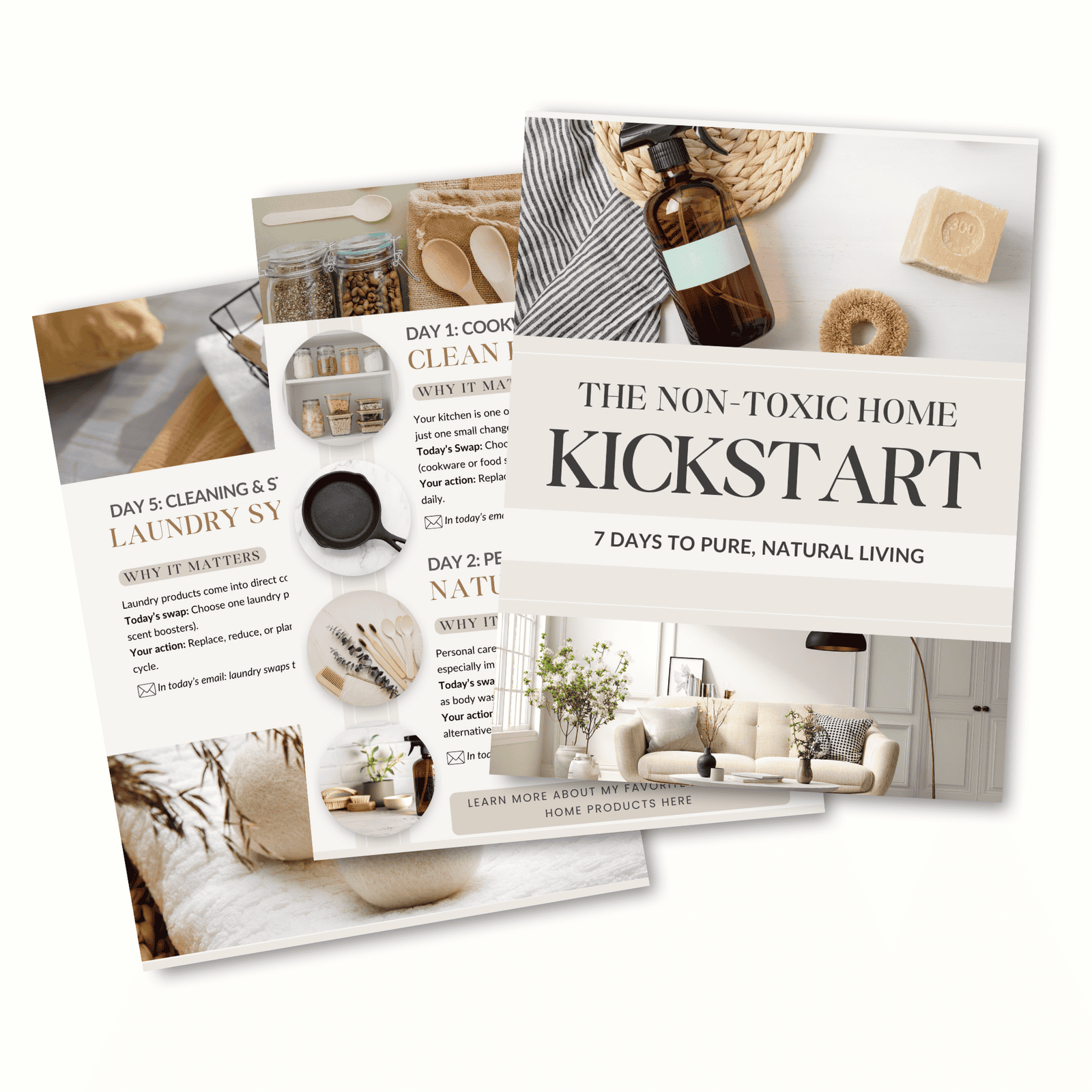
Your 7-Day Kickstart To A Non-Toxic Home
One swap per day. No overhaul required. Just 7 small changes that make your home a healthier place to live.
No spam. Unsubscribe anytime.
Why Is Non-Toxic Living Important?
Statistics show that the average person is exposed to over 200 synthetic chemicals before they even leave the house in the morning. Don’t worry, it’s avoidable. They’re in personal care products, cleaning supplies, and household items.
These chemicals can accumulate in your body, disrupt your hormones, and contribute to long-term health issues like allergies, respiratory problems, and even fertility concerns.
Most people don’t realize that “fragrance” on a label can contain dozens of undisclosed chemicals, or that non-stick cookware releases toxic fumes when heated.
By implementing non-toxic living principles, you’ll be able to reduce your family’s chemical exposure without spending hours researching every product or replacing everything at once.
This way, you will create a safer home environment and gain peace of mind knowing you’re protecting your family’s health.
Also, non-toxic living gives you the ability to improve indoor air quality and avoid common irritants like synthetic fragrances, harsh cleaning fumes, and chemical residues.
That means you won’t have to worry about what’s hiding in your everyday products—or second-guess every purchase you make.
Non-Toxic Living Examples
If non-toxic living sounds overwhelming, I get it.
It sounds simple until you start reading labels and realize you don’t know what half the ingredients are, or if they’re safe.
So I put together the examples below to break it down for you so you can start making your home a little less toxic.
Example #1. Clean Personal Care Products
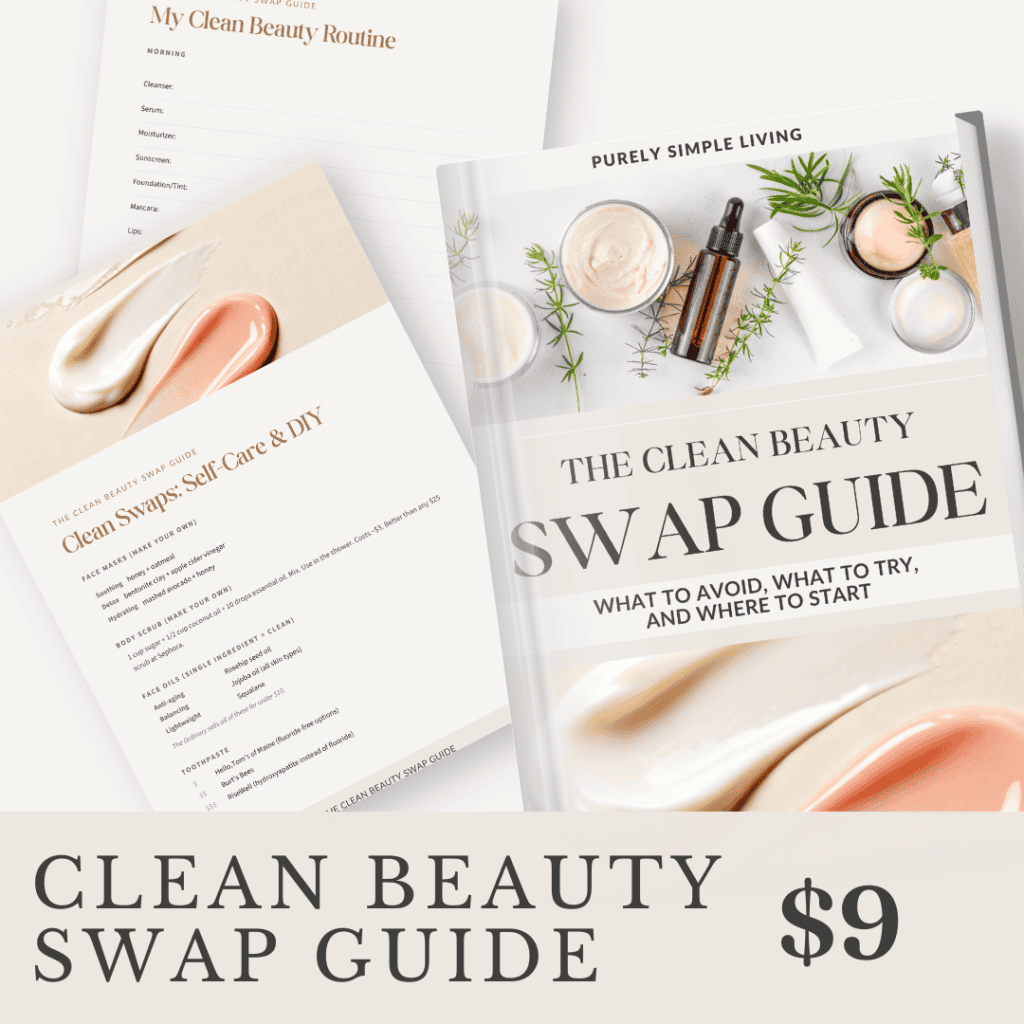
This is swapping conventional personal care items (deodorant, shampoo, body wash, toothpaste) for versions made with safer, simpler ingredients. (Here are affordable clean beauty swaps to get you started.)
Although this may seem like an expensive or “crunchy” practice, it’s actually one of the most effective ways to reduce your daily chemical exposure.
Plus, these products touch your skin directly, which is an organ. And that means whatever’s in them gets absorbed into your body.
[share a graphic showing “Swap This for That” – conventional deodorant vs. aluminum-free natural deodorant]
Personal care products are a great place to start because it’s often something you use on a daily basis.
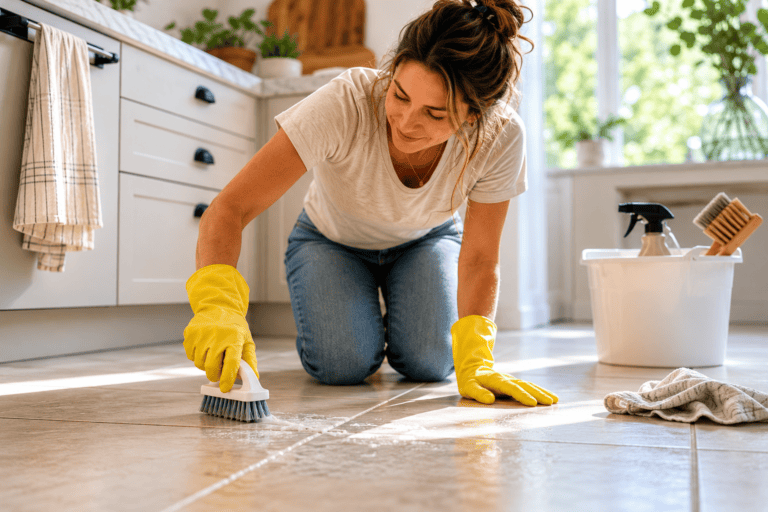
Example #2. Non-Toxic Cleaning Products
I dare to say that this is one of the easiest changes to make. The faster you can eliminate harsh chemical cleaners, the easier it will be to improve your indoor air quality and reduce respiratory irritants.
Thankfully, the quality of non-toxic cleaners is pretty darn good.
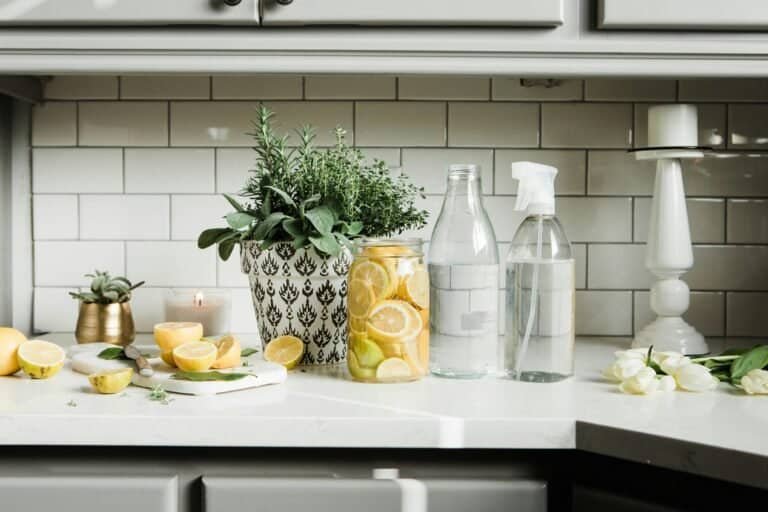
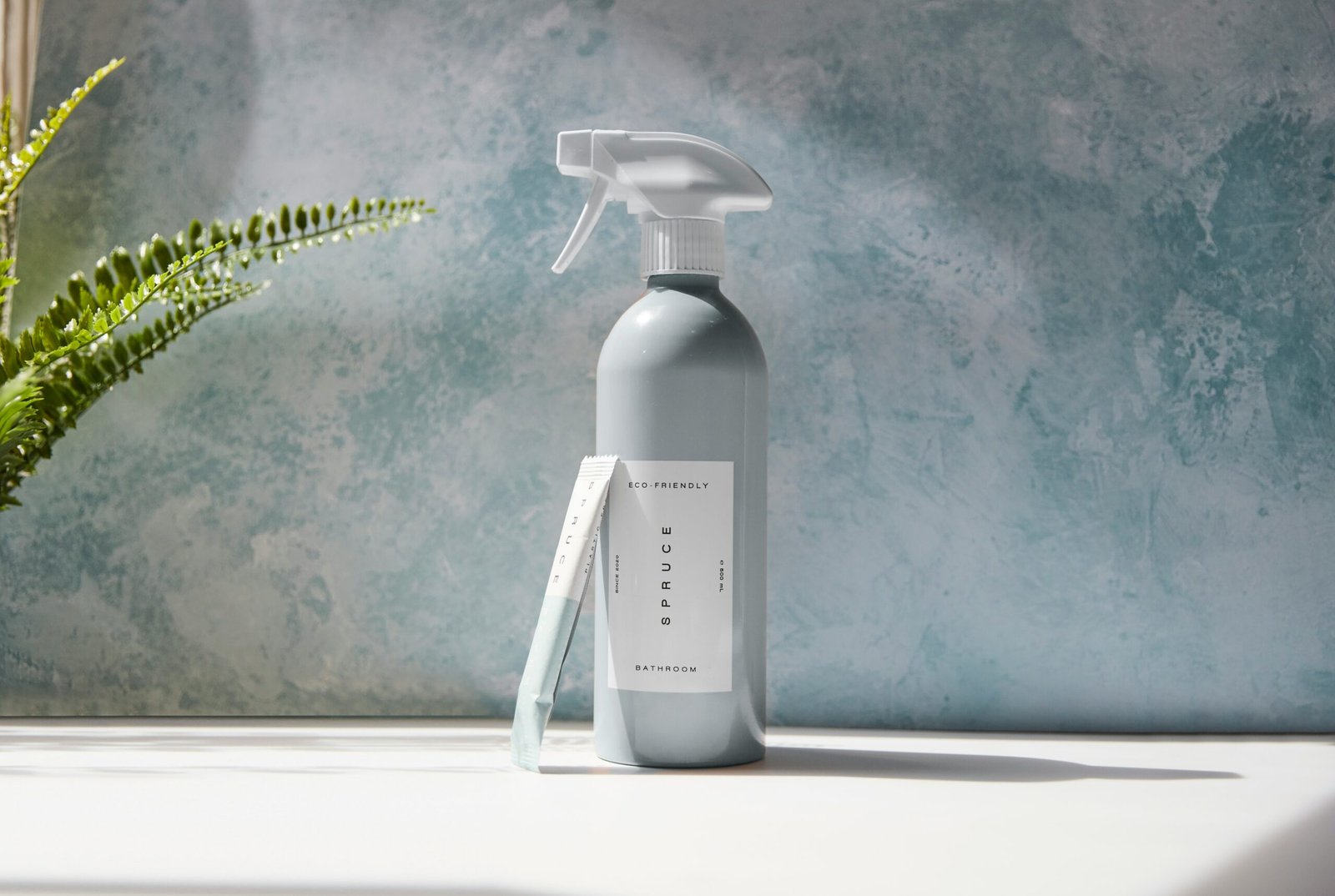
Non-toxic cleaning means using simpler or DIY cleaners instead of products with bleach, ammonia, synthetic fragrances, or other harsh chemicals.
For example:
I used to love the super harsh cleaning sprays, thinking they’d make my life easier. Windex, Clorox, and Dawn dish soap. Then I realized I could replace 90% of them with a simple all-purpose cleaner made from vinegar, water, and essential oils. It cost pennies, worked just as well, and didn’t leave behind chemical residue or fumes.
The best way to implement this is to start with one room (like the kitchen) and swap just one or two products at a time. It has to be sustainable, or you’ll just stop.
Now that you know what non-toxic living looks like, the hardest part is knowing where to start. The free 7-Day Non-Toxic Home Kickstart gives you one swap per day so you don’t have to figure it out alone.
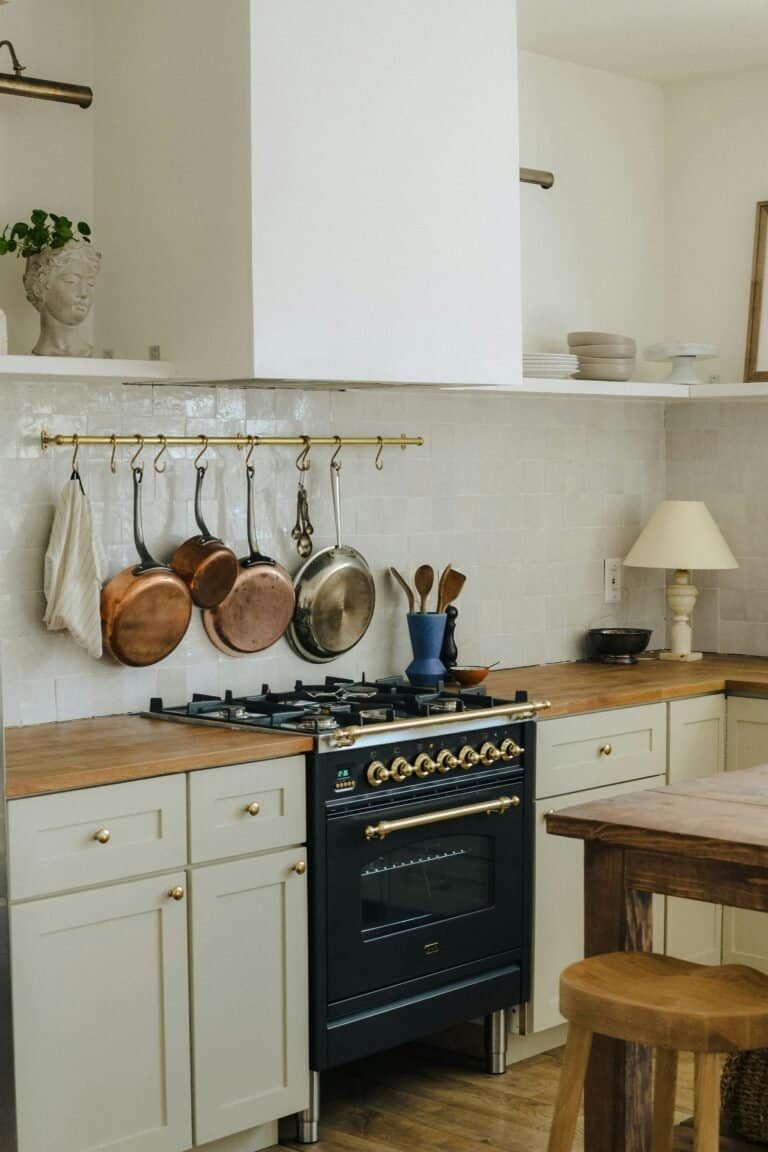
Example #3. Safer Cookware and Food Storage
Non-stick pans, plastic containers, and certain food storage materials can leach chemicals directly into your food—especially when heated.
Switching to stainless steel, cast iron, or glass sounds hard, but it’s really not. It eliminates the risk and gives you durable, long-lasting kitchen essentials.
For example:
When I replaced my non-stick pans with cast iron, I was shocked at how much better my food tasted, and I didn’t have to worry about toxic fumes every time I cooked at high heat.
[insert a product comparison graphic: non-stick vs. cast iron vs. stainless steel]
This is one of the easiest swaps to make, and it has a huge impact on reducing your family’s exposure to PFAs (the “forever chemicals” found in non-stick coatings).
Now You Know What It Is. Here Is How to Start.
Non-toxic living is simpler than it sounds. The 7-Day Non-Toxic Kickstart walks you through one small swap a day, starting with the products that matter most.
Your 7-Day Kickstart To A Non-Toxic Home
One swap per day. No overhaul required. Just 7 small changes that make your home a healthier place to live.
No spam. Unsubscribe anytime.
Tips for Non-Toxic Living Success
Here are a few tips to help you maximize your results with non-toxic living:
First, start small and focus on high-impact swaps.
To achieve the best non-toxic living results, you don’t have to overhaul your entire home overnight.
Focus on the products you use most often, like dish soap, laundry detergent, body wash, and all-purpose cleaner. When you do, you reduce the majority of your daily chemical exposure without feeling overwhelmed.
For example:
I started by swapping just three things: my dish soap, laundry detergent, and hand soap. Within two weeks, I noticed my hands weren’t as dry, and the air in my home smelled fresher (without synthetic fragrance masking it). Those three swaps made me feel confident enough to keep going.
For better results, make sure you read ingredient labels and look for certifications like EWG Verified, Made Safe, or USDA Organic. This way, your swaps are actually safer—not just greenwashed marketing.
Related Post: How to Read Ingredient Labels Like a Pro
Next, eliminate synthetic fragrance wherever possible.
I’ve heard that fragrance is the new second-hand smoke. And you don’t have to replace anything. Just unplug! Sadly, synthetic fragrance is one of the most common sources of hidden chemicals and respiratory irritants in homes.
In other words, you clear the air. Literally.
To get started:
- Check your cleaning products, laundry detergent, candles, and air fresheners
- Look for “fragrance-free” or “unscented” labels (or products scented only with essential oils)
- Swap scented candles for beeswax or soy candles with essential oils
Finally, focus on the rooms you spend the most time in.
Nowadays, people spend 90% of their time indoors, which means the air quality in your home matters more than ever.
If you want to make the biggest impact, you can’t overlook the bedroom (where you spend 6-8 hours a night) and the kitchen (where you prepare and store food).
Start by focusing on bedding, air quality, and cookware in these two spaces. You’ll see the fastest results.
And if the idea of detoxing your entire home makes you feel anxious, consider this:
You don’t have to do it all at once. Even one swap a week adds up to 52 healthier changes by the end of the year.
What do they say about getting started? The best time to plant a tree was 20 years ago. The second-best time is now. So get started on that cleaner, healthier home.
One thing you can do is follow a simple roadmap that breaks it down day by day.
Grab your free 7-Day Non-Toxic Home Kickstart here.
Start Non-Toxic Living Today
I hope this guide on non-toxic living has been helpful. If you take anything away from this guide, remember that non-toxic living doesn’t have to be perfect or expensive. It’s about making intentional, informed choices that reduce your family’s exposure little by little.
The best way to reduce chemical exposure is to start with one room and one swap at a time. That way, you can set yourself up for lasting change without feeling overwhelmed.
So, what do you say? Are you ready to give it a go?
Grab the Printable
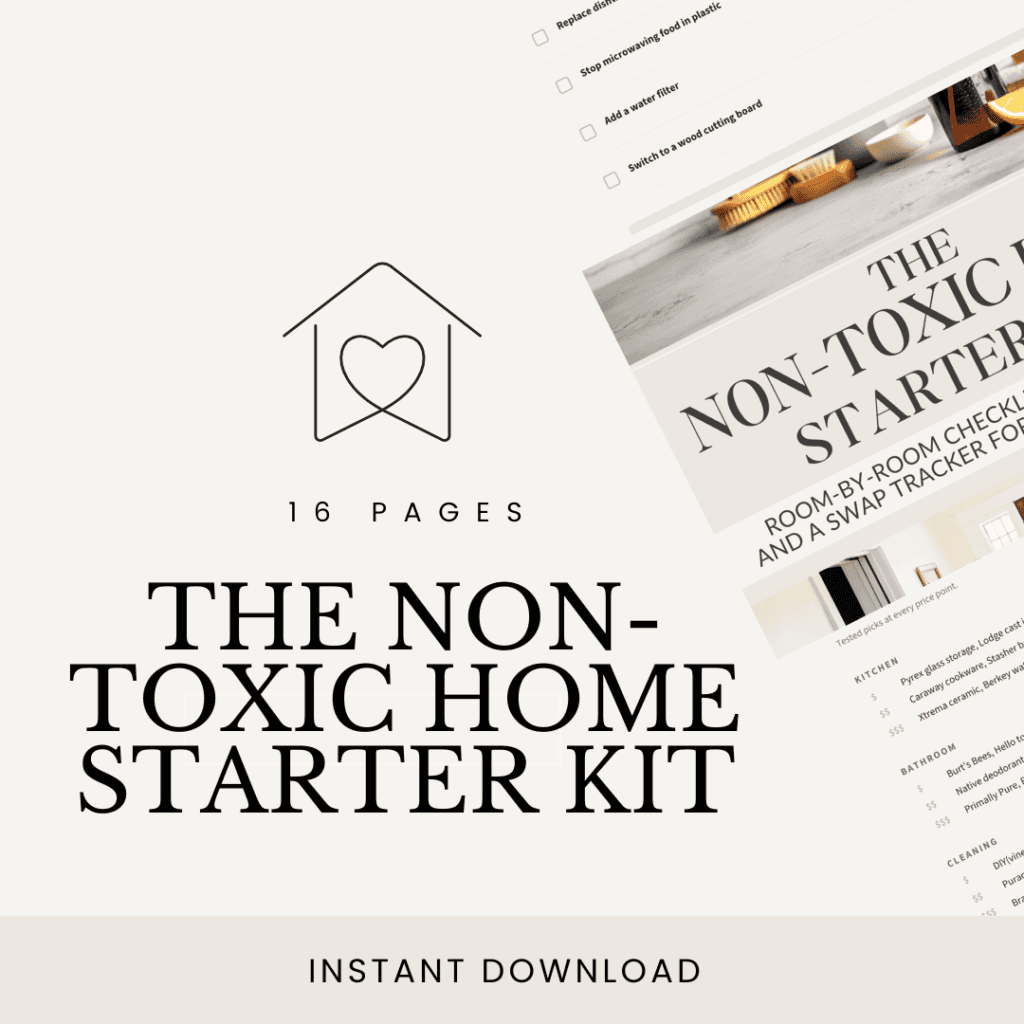
Want the printable version? Grab the Non-Toxic Home Starter Kit with room-by-room checklists.
Recommended products
As an Amazon Associate, I earn from qualifying purchases. This means if you click an Amazon link and buy something, I may earn a small commission at no extra cost to you.
Want the Easy Version?
Get the free 7-Day Non-Toxic Home Kickstart, one simple swap a day, delivered to your inbox.
Your 7-Day Kickstart To A Non-Toxic Home
One swap per day. No overhaul required. Just 7 small changes that make your home a healthier place to live.
No spam. Unsubscribe anytime.